
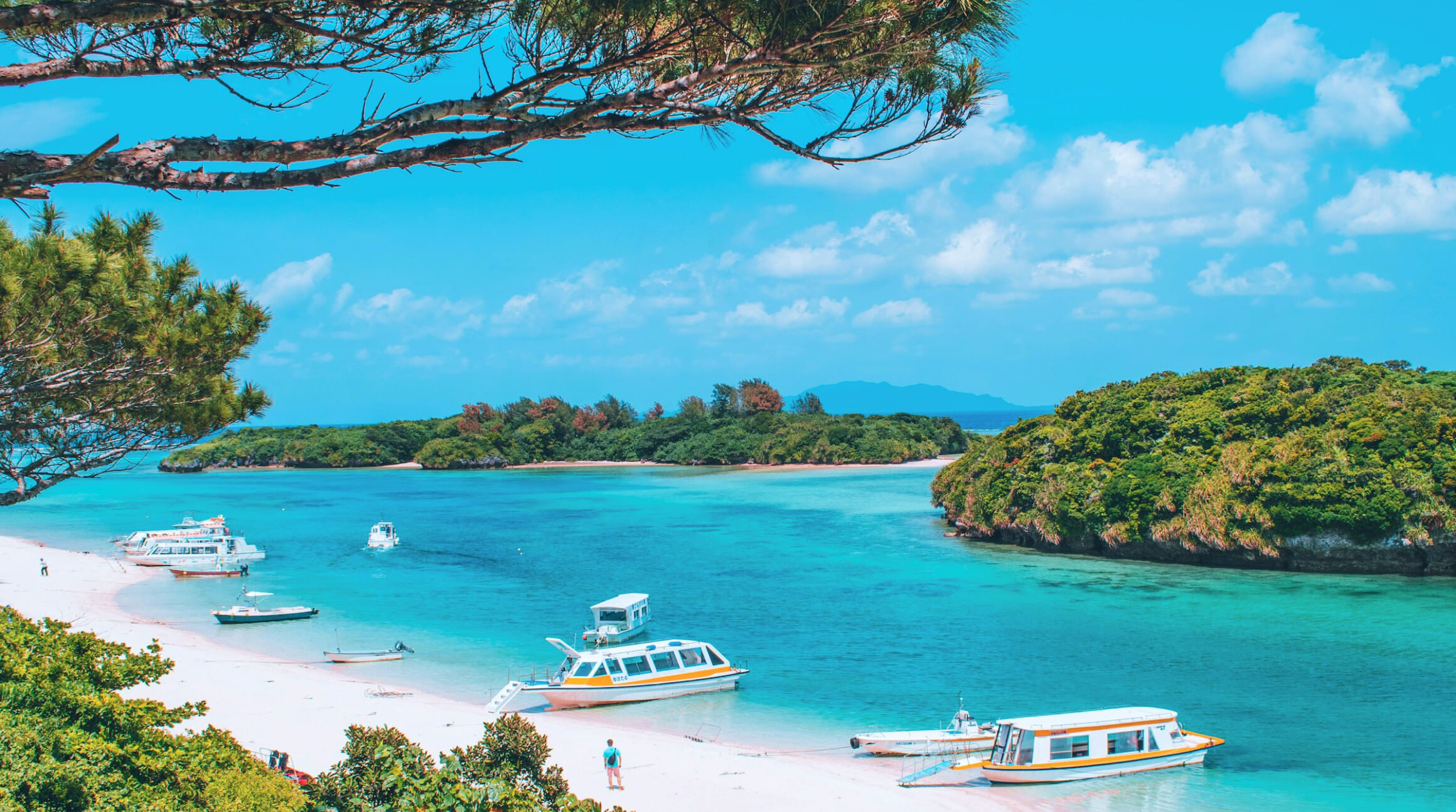
Are you ready to experience a side of Japan most visitors never see?
If you've ticked Tokyo, Kyoto and Osaka off your Japan bucket list, it's time to head away from the tourist trail and towards the sunshine.
Okinawa is the largest of a tropical chain of over 160 islands and islets stretching south from Japan's mainland toward Taiwan. It's known for palm-fringed beaches, coral reefs, and warm year-round weather.
The adventurous will find world-class diving, rich wartime history and truly unique cuisine. Here, ancient traditions blend with modern life, and lively festivals fill the streets with rhythmic drumming and dragon dances.
Sound good? Let's dig into the many reasons why Okinawa deserves a place on any travel wish list.
Stay connected while exploring Japan. Whether you're island-hopping across Okinawa or navigating Tokyo’s neon-lit streets, a Japan eSIM keeps you connected without the hassle of roaming fees or swapping SIM cards. Compare Japan eSIM plans here and get instant data as soon as you land.
Okinawa's calendar is packed with unforgettable experiences throughout the year. Whether you're drawn to pristine beaches, ancient castles, or thunderous festival drums, these islands deliver memories to last a lifetime. Let's start with the festivals.
Experience Okinawa's Unique Festivals
Nago Cherry Blossom Festival
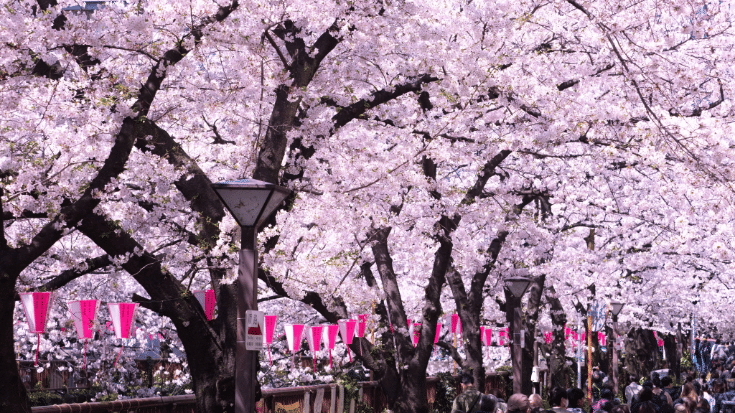
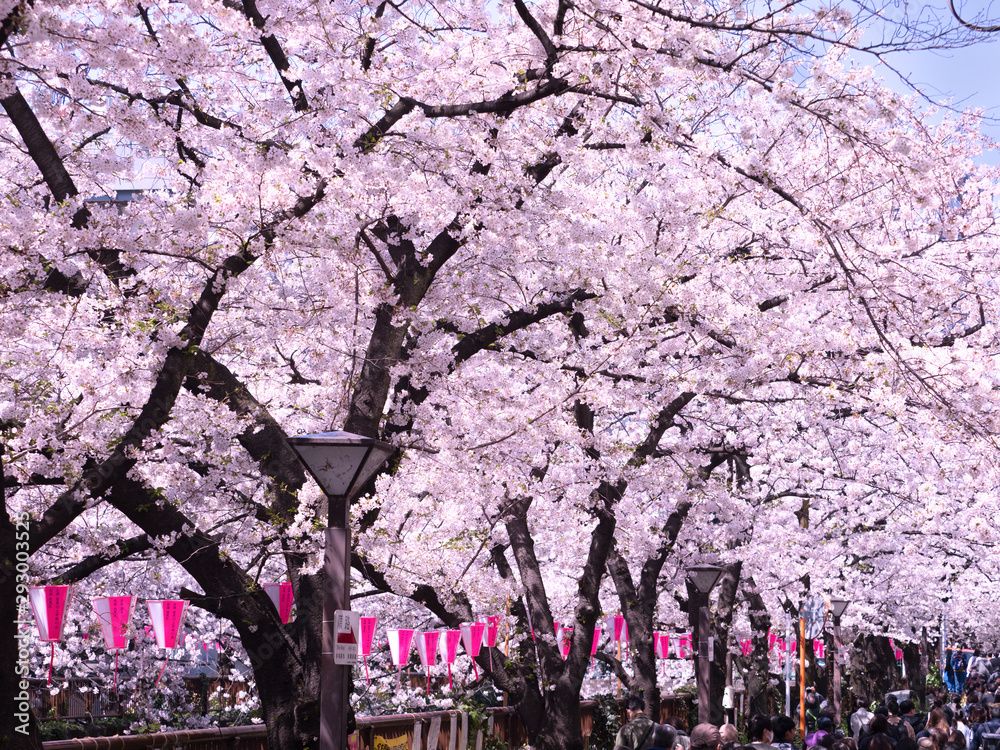
Okinawa's cherry blossoms are among the first in the country to open, kicking off Japan's annual Hanami celebrations. / Adobe Free Stock / moonrise
When?: Late January annually.
When you think of Japan, it doesn't take long for cherry blossoms to come to mind. But in Okinawa, spring arrives early. The island's cherry trees are among the first in Japan to bloom and paint the hillsides pink weeks before the mainland's March to April season begins.
To celebrate, Nago Central Park comes alive in late January with the Nago Cherry Blossom Festival. Beneath glowing lanterns and clusters of vivid blossoms, visitors gather to watch Eisa drumming and Ryukyu dancing, browse local food stalls, and welcome the year's first glimpse of spring.
Eisa Festival Okinawa
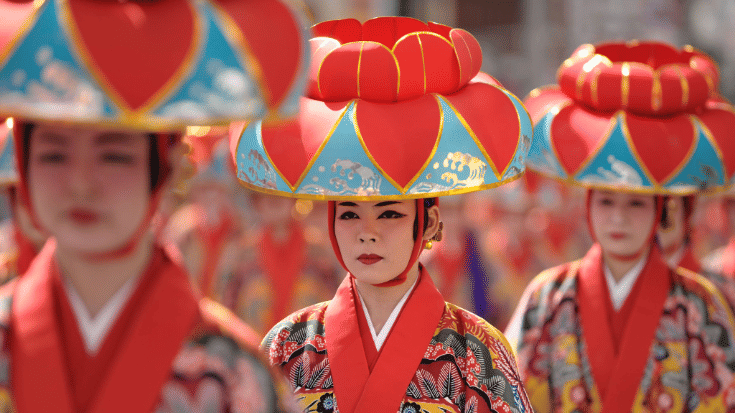
Women perform a dance called Inagumoi and wear traditional Okinawan clothing, known as Ryusou, during Okinawa's Eisa Festival. iStock / Subajogu
When?: Every September.
Each September, Okinawa bursts into colour and sound as the Eisa Festival transforms the streets into open-air dance floors. Performers in vibrant costumes bring ancient stories to life through movement, drumming, and chanting; a tradition deeply rooted in Okinawa's spiritual heritage.
The biggest celebration of all is the Zento Eisa Matsuri, held at Koza Sports Park in Okinawa City. More than 300,000 spectators gather each summer to experience the thunder of taiko drums and the electric energy of hundreds of dancers.
Naha Great Tug of War Festival
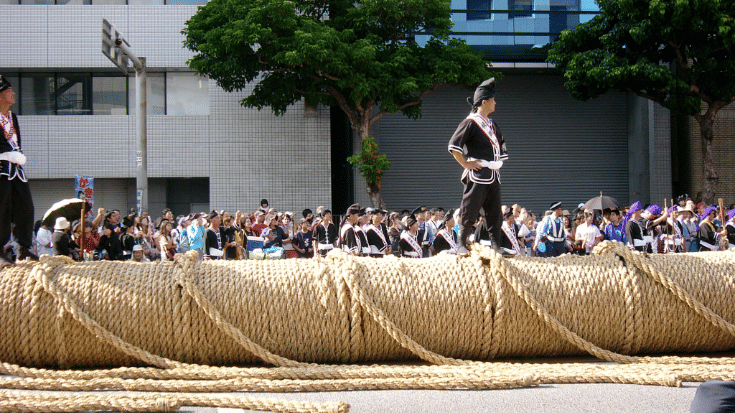
The world’s largest rope takes centre stage at Okinawa’s Naha Great Tug-of-War Festival, where thousands join in to pull for victory and community pride. / Wikimedia Commons / Mitsuru Ogino
When?: Every October.
October brings Okinawa's most spectacular community event. Tens of thousands of people take part in the Naha Great Tug of War Festival, Naha Otsunahiki, which features the world's largest rope.
Coming in at 1.5 metres thick, 200 metres long and weighing a mind-boggling 43 tonnes, local craftsmen spend months weaving it from rice straw using techniques unchanged for centuries.
When festival day arrives, teams from east and west Naha compete in front of roaring crowds. The good news is that everyone is welcome to join in the tugging fun and become part of Okinawan history. Not to mention one of the world's most bizarre, if not completely unforgettable, competitions.
Onna Village Chura-Umi Fireworks
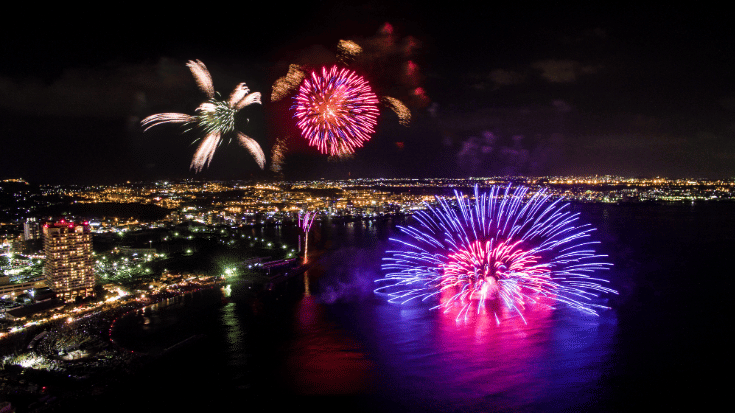
Okinawa is home to several fireworks festivals throughout the year, which are loved by locals and visitors alike. / iStock / petesphotography
When?: Every October.
Held along the coast at Onna Village, the Chura-Umi Fireworks are well worth seeing. Complete with Eisa dancing, hula dancing, and live music, the event features 5,000 fireworks that paint the night sky with spectacular colours.
Hit Okinawa's World-Class Beaches and Islands
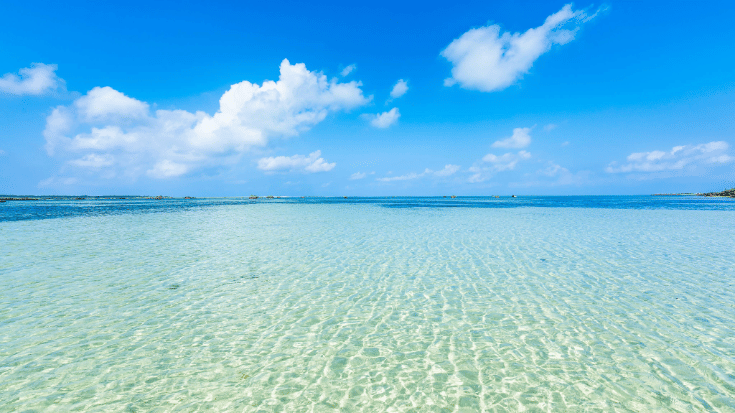
Okinawa's beaches, such as this one on Miyako Island, are world-famous for their crystal-clear waters and white sands. / Adobe Free Stock / kurosuke
Okinawa's beaches rival those anywhere in the world. Some of the most popular spots visitors head to include:
- Miyako Island: Home to Yonaha Maehama Beach, where seven kilometres of powder-soft sand meet crystal-clear waters.
- Ishigaki Island: Offers equally stunning coastlines with fewer crowds. Kabira Bay's emerald waters shimmer like liquid jewels against white coral sand.
- The Kerama Islands: Just 40 minutes by ferry from Naha, the Kerama Islands offer world-class snorkelling. Even beginners can explore shallow reefs teeming with tropical fish.
Divers and snorkellers will tell you that Okinawa's true magic lies beneath the waves. Its waters host some of Asia's best diving sites, where manta rays glide through underwater valleys and colourful reef fish dart between pristine coral formations.
Dig Into Okinawa's History and Culture
Step into Okinawa's past at Shuri Castle, a UNESCO World Heritage site and former seat of the Ryukyu Kingdom. Its vivid red walls and Chinese-inspired design set it apart from any other castle in Japan, while the surrounding gardens tell the story of a kingdom that flourished for centuries.
For a powerful reminder of Okinawa's modern history, visit Peace Memorial Park in the island's south. The park overlooks the sea and honours the victims of the 1945 Battle of Okinawa, with black granite walls engraved with every known name. It's a sobering but essential stop.
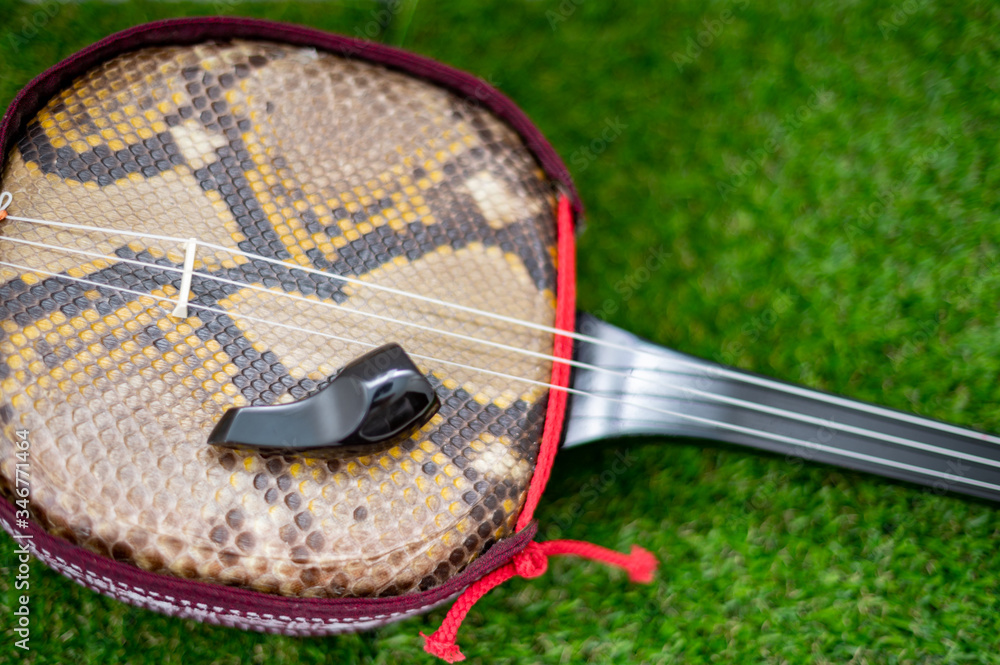
To experience Okinawa's living culture, listen for the distinctive sound of the sanshin. This three-stringed instrument is central to local music and unique to the islands.
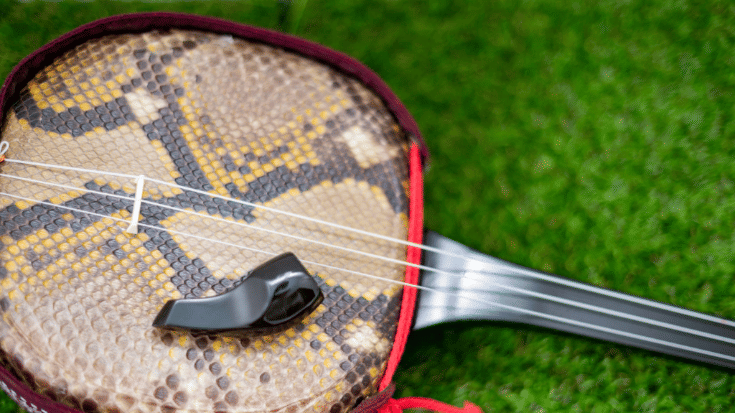
The sanshin, Okinawa's iconic three-stringed instrument, features a snakeskin-covered body and produces the island's signature sound./ Adobe Free Stock / sharaku1216
For some local souvenirs, browse the markets for Ryukyuan textiles and hand-painted ceramics. Along the way, try a few phrases of Uchinaaguchi, the island's native language still spoken alongside Japanese today.
Did you know? Okinawa has one of the highest life expectancies in the world. Many locals live beyond 100 years, a longevity linked to their plant-based diet, active lifestyles, and strong community spirit, known locally as ikigai, or 'a reason for being.'
Must-Try Okinawan Food and Drink
Okinawan cuisine stands apart from mainland Japanese food and is among the most distinctive you'll find anywhere. Centuries of trade with Southeast Asia and China, combined with local crops and island specialities, have created truly unique flavour combinations.
Okinawa soba tops every must-try list. These delicious, thick wheat noodles swim in clear pork broth, topped with tender braised pork belly.
Goya Chanpurū is a popular Okinawan stir-fry dish, which includes the famous local vegetable goya, or bitter melon, tofu, eggs and pork. These ingredients are mixed together to create a surprising blend of bitter and savoury flavours.
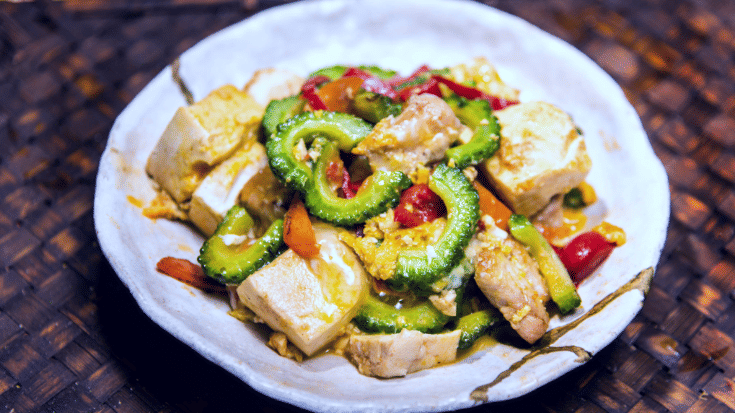
Goya Chanpurū, a regional dish of Okinawa Prefecture, includes cooked bitter melon, firm tofu, pork and eggs. / iStock / GI15702993
Taco rice epitomises the international influences on Okinawan food. American taco ingredients sit on top of Japanese rice to make a seriously comforting dish.
Wash down your dinner with Awamori, Okinawa's traditional rice spirit. This potent drink ages in clay pots, developing complex flavours over decades. If you're a beer lover, you'll want to try ice-cold Orion beer, a local brew that's been around since 1957.
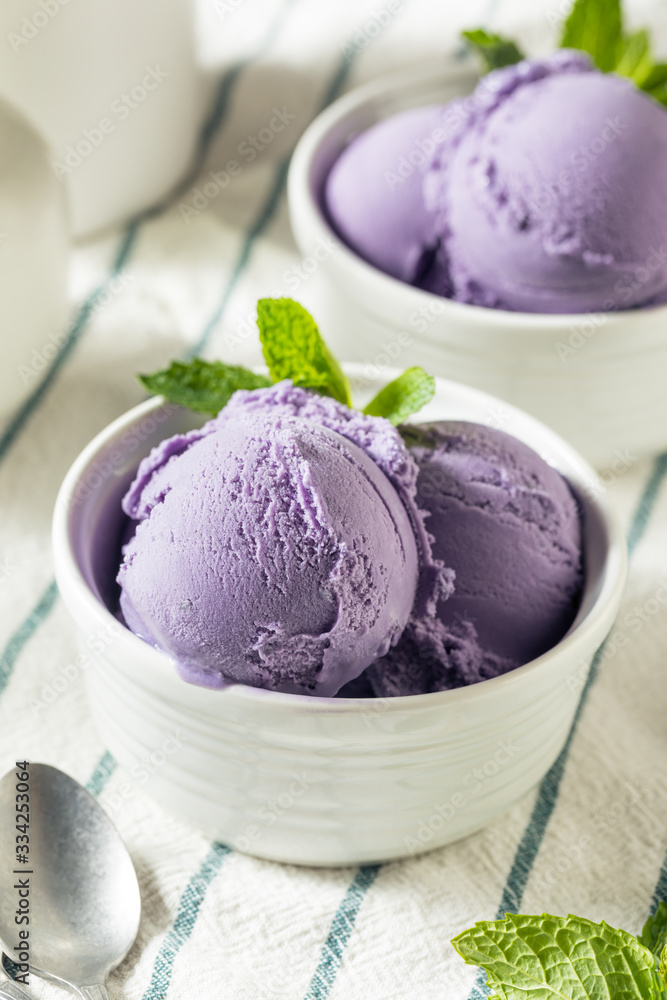
Festival street food adds another dimension to Okinawa's kitchen. You'll find octopus skewers, sweet purple potato ice cream and sata andagi, aka. Okinawan doughnuts, fuelling the island's late-night celebrations.
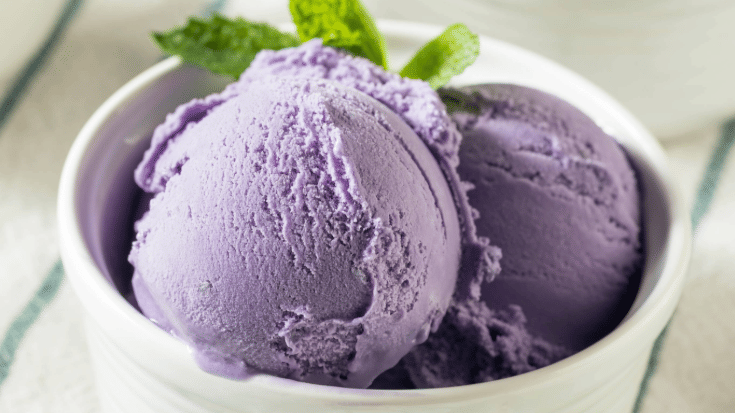
Beni-imo ice cream is made from the native purple sweet potatoes of Okinawa. / Adobe Free Stock / Brent Hofacker
Six Fun Facts about Okinawa
Along with the above things to do in Okinawa, here are some interesting facts about the islands to fuel your curiosity.
1.) Okinawa is Known as the Land of Longevity
Many locals live past 100 years old in Okinawa. This is attributed to several factors, including healthy lifestyles with daily exercise, strong community bonds, and the popularity of plant-based diets. Traditional Okinawan restaurants serve longevity boosting foods that visitors can try for themselves.
2.) Karate Originated in Okinawa
Original karate techniques were developed in Okinawa centuries before they spread worldwide. Martial arts fans can visit dojos and museums to learn about karate's Okinawan roots.
3.) Okinawa is Made up of Over 160 Islands
From the main island to remote coral islets, Okinawa offers no end of idyllic beaches and diving spots. Island-hopping reveals hidden gems where few tourists venture.
4.) Awamori is the Drink of Choice
Okinawa's traditional rice spirit is awamori. Visitors can tour distilleries or sample aged varieties in local bars. Some of these aged varieties date back decades; a true adventure for food and drink lovers.
5.) The Ryukyu Kingdom Lives On
Okinawa was once an independent force named The Ryukyu Kingdom, which existed from 1429 to 1879. Visitors can immerse themselves in this heritage at Shuri Castle or through traditional sanshin music performances that still echo through festival nights.
6.) Okinawa Features in the Tarantino Film Kill Bill: Vol I
In Quentin Tarantino's film Kill Bill: Vol. 1, the Bride travels to Okinawa to have her sword forged by master craftsman Hattori Hanzō. Although the scenes were filmed on Japan’s mainland, Tarantino deliberately set them in Okinawa to evoke the island's reputation for skilled artisans and deep martial-arts traditions.
Practical Travel Tips for Okinawa
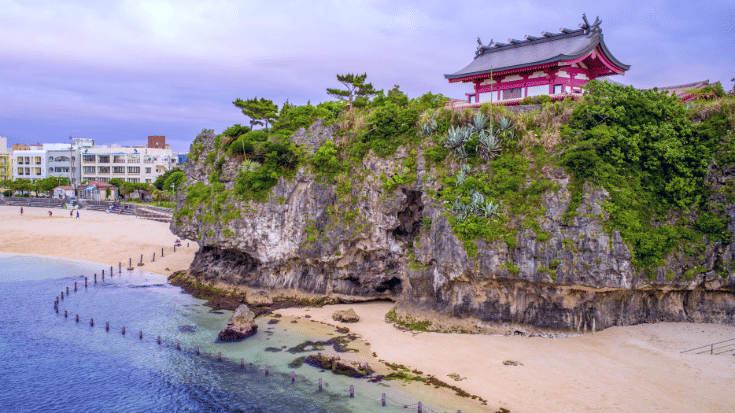
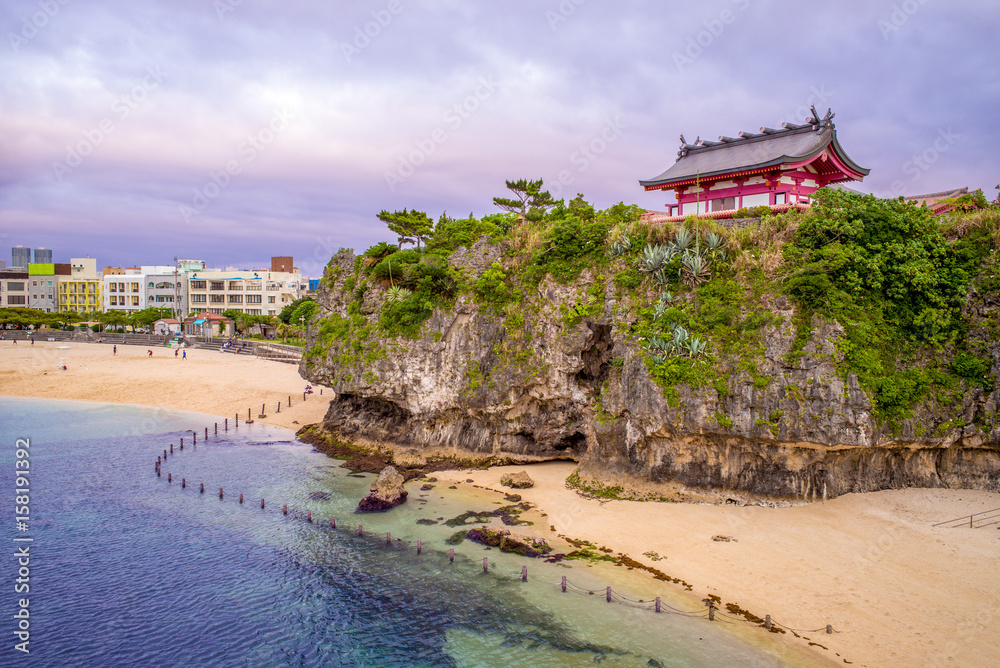
Naminoue Shrine, a historic Shinto shrine in Naha, Okinawa, sits on a cliff overlooking Naminoue Beach and the ocean. Adobe Free Stock / Richie Chan
How to Get to Okinawa
Naha Airport connects Okinawa to major Japanese cities. Direct flights run from Tokyo (2.5 hours), Osaka (2 hours), and Fukuoka (1.5 hours). International flights arrive from Seoul, Taipei and Hong Kong.
Budget airlines offer competitive prices, especially from mainland Japan. But you'll need to book early for festival periods when demand peaks.
When's the Best Time to Visit Okinawa?
Spring, between March and May, and autumn, between September and November, are the best times of year to visit Okinawa. The weather is mild enough for enjoying festivals and sightseeing, and the humidity is lower than in summer. Temperatures hover around 20-25°C, making for pleasant warm days without oppressive heat.
How to Get Around Okinawa
Renting a car in Okinawa offers maximum flexibility to explore the islands, but you'll need an international driving permit. Some road signs include English translations, but you might have to make do with generic road symbols and numbers for the most part.
Public buses connect most major attractions on the main island. They run less frequently than in mainland Japan, so you'll need to plan your itinerary.
Island-hopping requires ferries or short flights. The Kerama Islands are closest to Naha, taking around 40 minutes by ferry, while Miyako and Ishigaki are reachable by longer boat journeys or short flights.
Top Travel Tip: Sort your data for Okinawa. Before you travel, download a Japan eSIM to stay connected and avoid expensive roaming charges. An eSIM for Japan from Airalo keeps you online for sharing those incredible festival moments and navigating between islands. Explore your data options here and get online the moment you touch down in a subtropical paradise.
FAQs: Top Things to Do in Okinawa, Japan's Tropical Gem
1.) What are the best things to do in Okinawa?
Enjoy Okinawa's world-class beaches, go snorkelling or diving and experience one of its famous festivals, such Eisa, Naha Great Tug of War Festival or the Ocean Expo Park Fireworks Festival.
2.) When is the Naha Tug of War festival?
The Naha Tug of War Festival takes place annually in mid-October in Naha, Okinawa's capital city. It features the world's largest rope, which weighs 43 tonnes, thousands of participants and attracts over 270,000 visitors every year.
3.) What is the Eisa Festival in Okinawa?
Okinawa's Eisa Festival is a traditional summer celebration with taiko drumming, colourful parades and dance performances. A special 70th anniversary edition was held in 2025 to celebrate the event's success and longevity.
4.) How do I travel to Okinawa from mainland Japan?
Flights run regularly from Tokyo, Osaka and other major cities to Naha Airport. Ferries are also available, but flying is faster and more convenient.
5.) Do I need a Japan eSIM when visiting Okinawa?
A Japanese eSIM is the easiest way for international travellers to stay connected when visiting Okinawa. Choosing the best eSIM for Japan allows you to use maps, book tickets and share your Okinawa adventures without roaming fees.