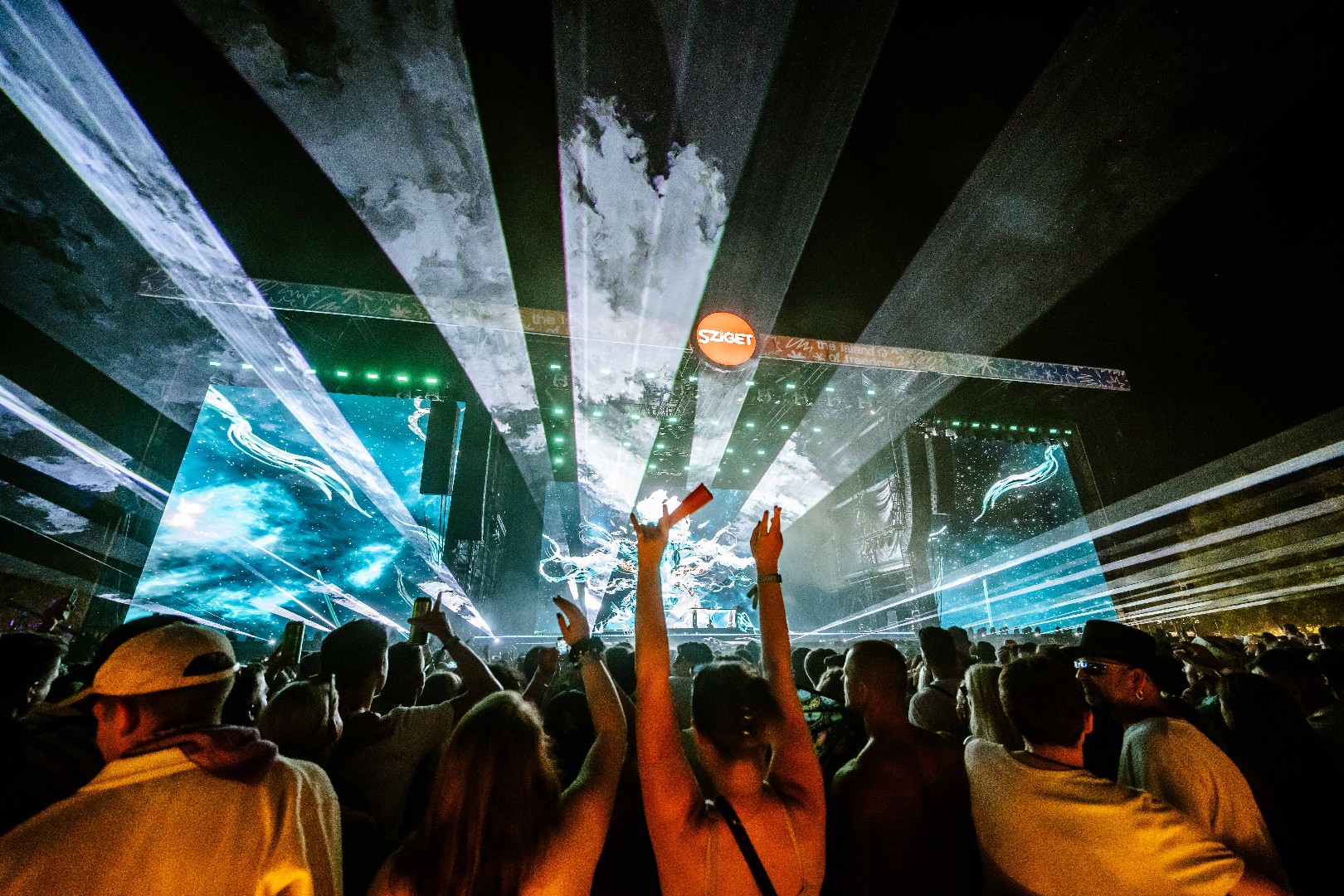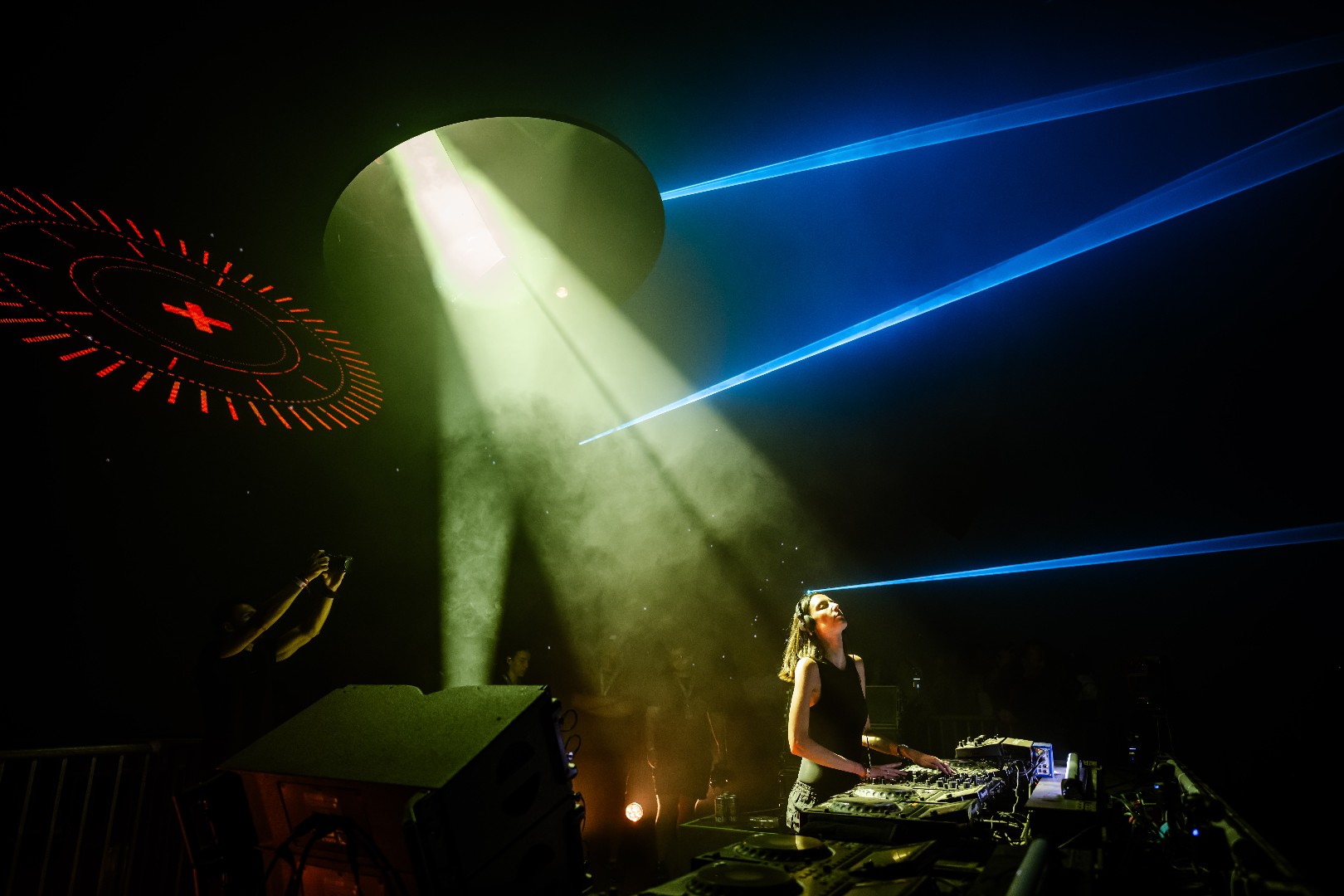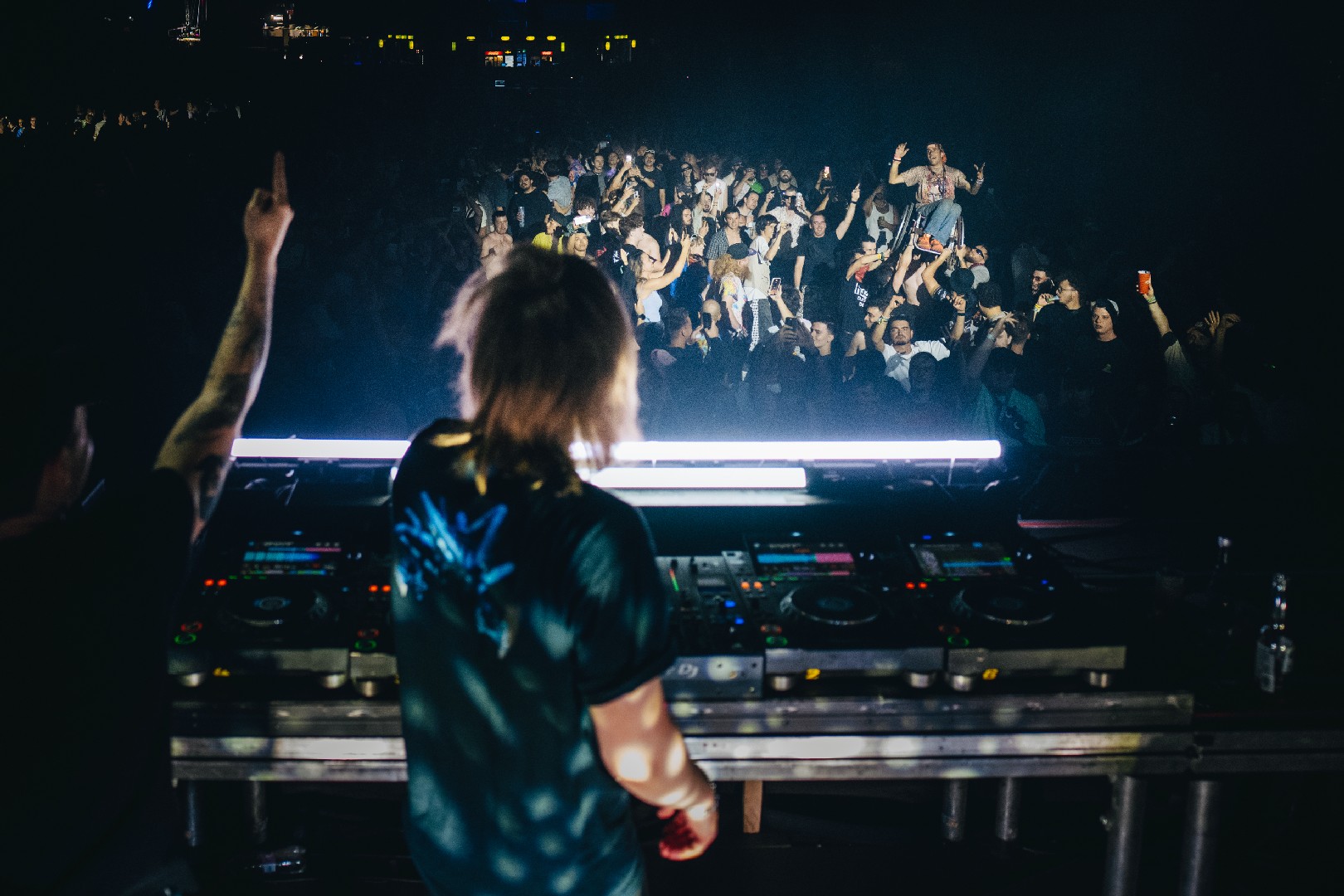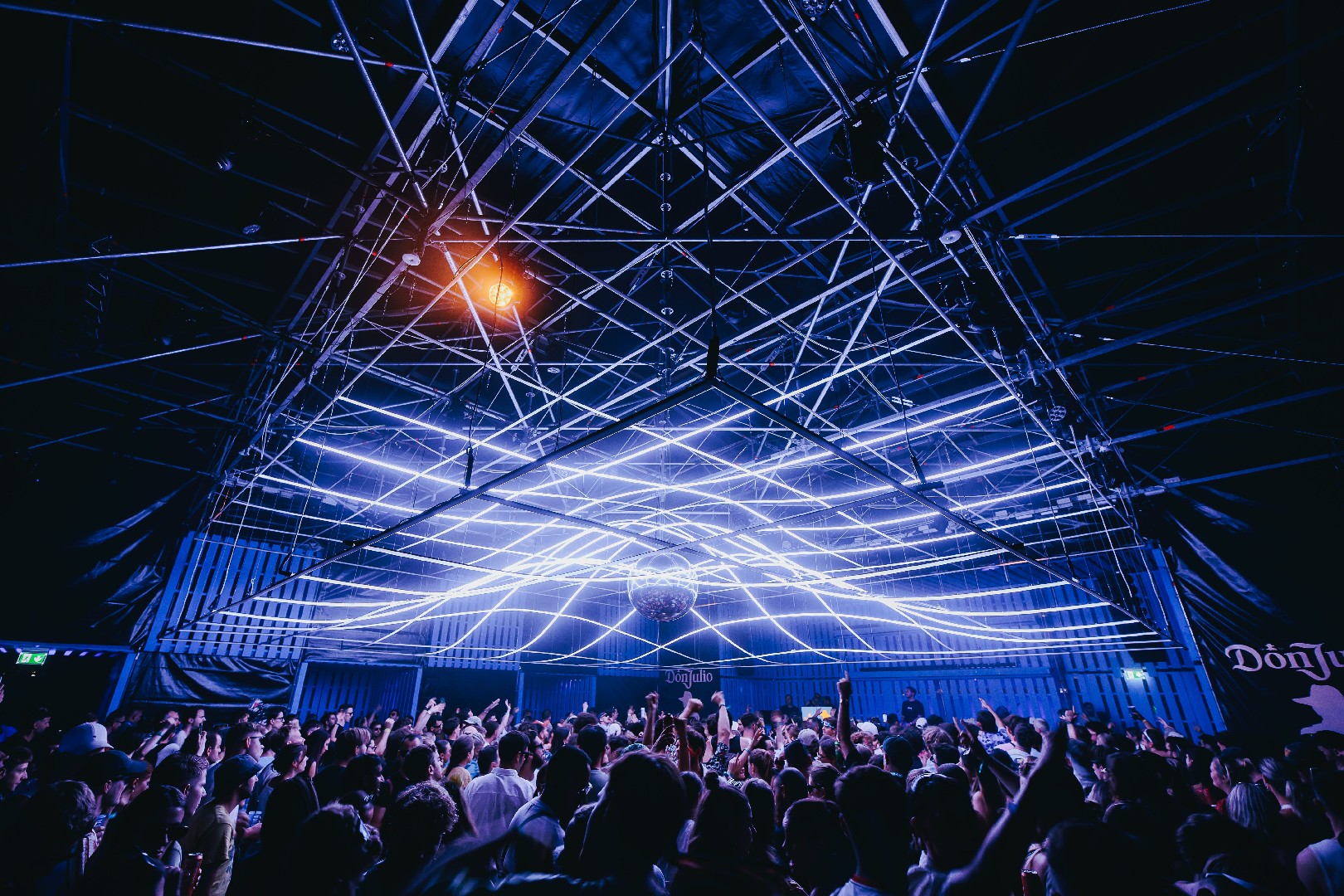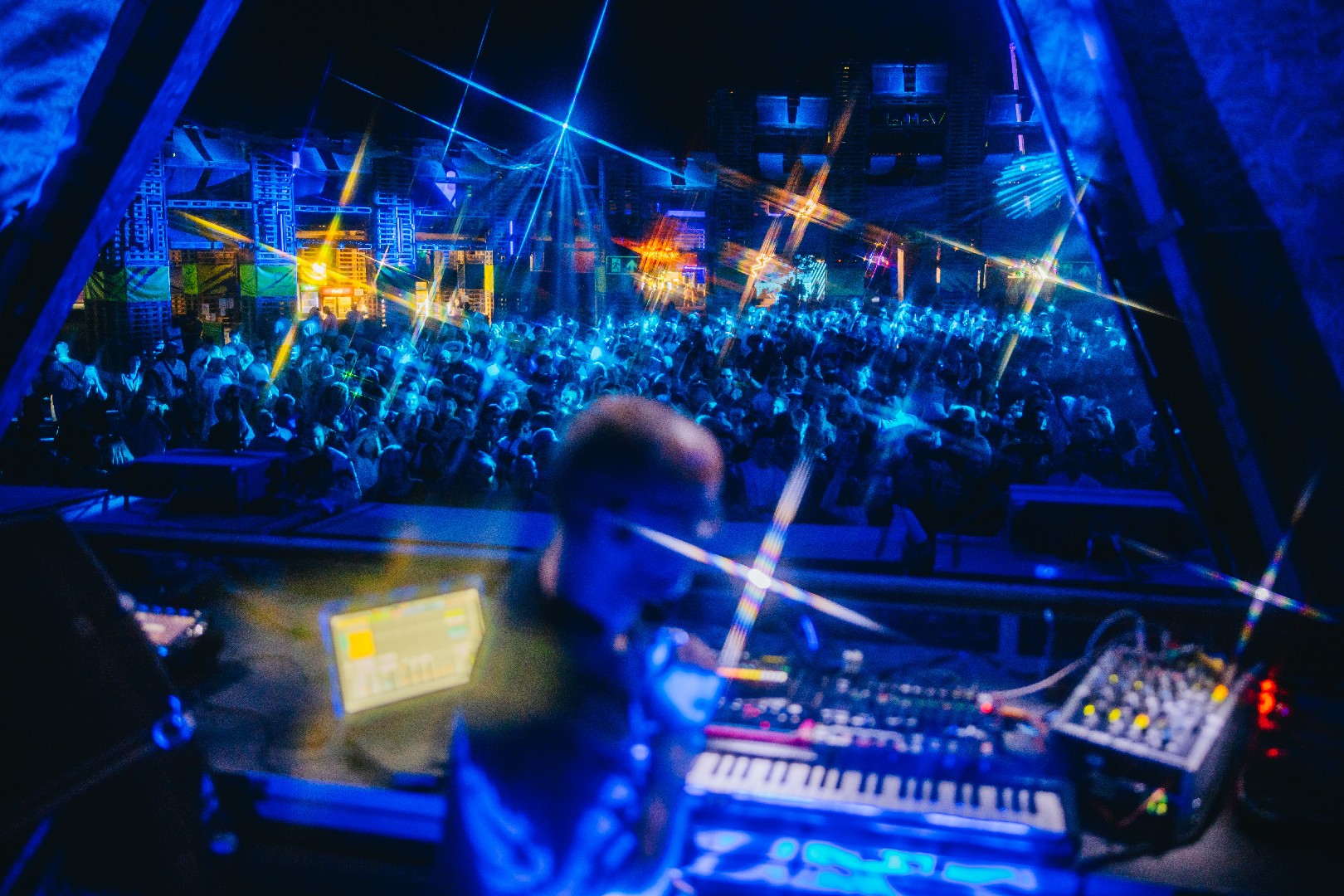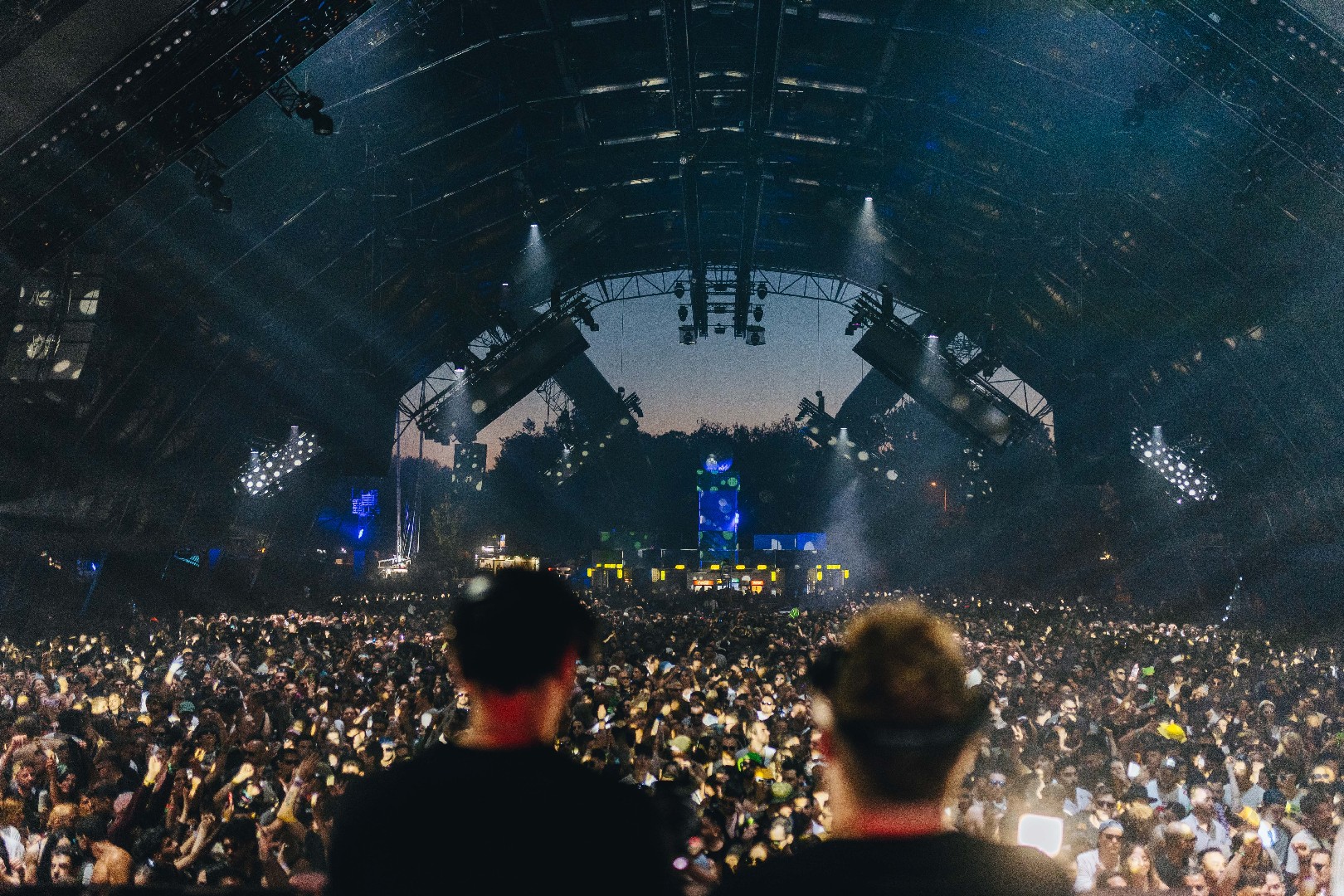


Sziget music festival is one of Europe's biggest and best-regarded, with over 400,000 people visiting Budapest annually for the week-long event.
Considering Sziget music festival's scale and duration, it's a good idea to have a festival strategy to get the best out of the event.
Budapest: The Ultimate Sziget Festival Guide
This Sziget Festival guide gives you all the key information you need ahead of travelling to the epic gathering.
From understanding the festival layout to navigating Budapest, here's everything you need to know for a successful Sziget festival.
What Is Sziget Festival?
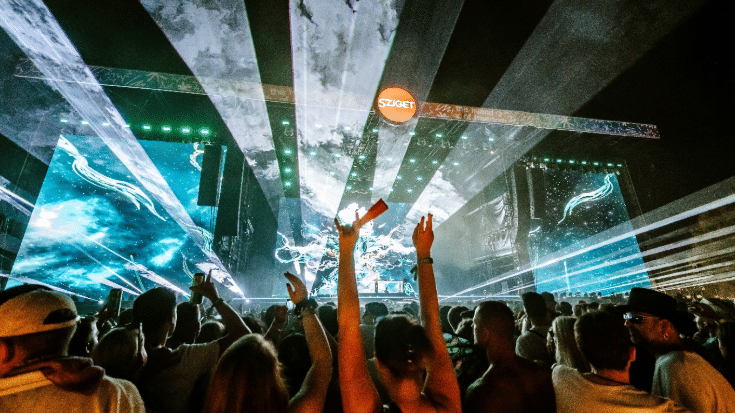
Image owned by Sziget Festival
Sziget Festival is a week-long music and arts event held every August on Óbuda Island in Budapest.
The festival turns the island into a mini city with a variety of stages, art shows and food stalls.
Sziget festival offers diverse programming, spanning rock, pop, electronic, world music and experimental genres.
The History of Sziget Festival
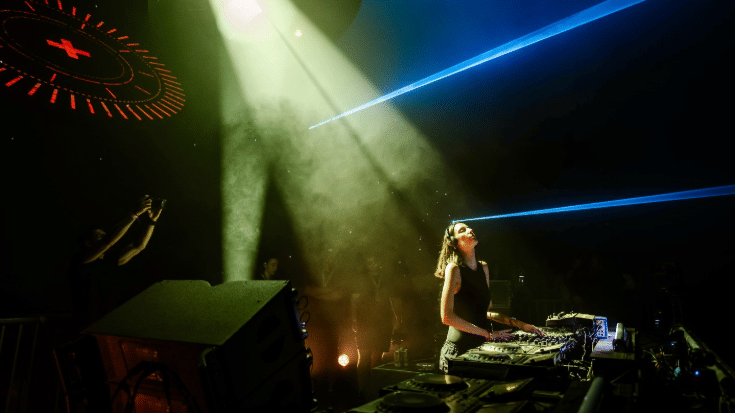
Image owned by Sziget Festival
Sziget Festival kicked off in 1993 as a modest student-organised gathering on Óbuda Island in Budapest.
At the time, Hungary was just a few years out of communist rule, and university students seized the chance to celebrate their new freedom with music, art, and a bit of countercultural rebellion.
What began as a scrappy, week-long event known as Diáksziget, or 'Student Island', soon struck a chord.
Through the '90s, the festival leaned heavily on underground, alternative, and local acts, a reflection of Eastern Europe's evolving cultural scene.
As word spread and Hungary became more connected to the international music circuit, Sziget gradually broadened its horizons.
By the 2000s, it was attracting global names while organisers built the infrastructure to host hundreds of thousands of fans each summer.
Fast-forward three decades and Sziget is now one of Europe's biggest festivals, welcoming around half a million revellers.
Its lineups balance Grammy-winning headliners with emerging talent, cementing Sziget's reputation as a heavyweight music festival on the world stage.
When and Where Is Sziget Festival?

Image owned by Sziget Festival
Sziget Festival Budapest happens on Óbuda Island in the Danube River, just north of central Budapest.
It typically runs for five to seven days in early to mid-August, coinciding perfectly with Hungary's summer and peak travel season.
Óbuda Island is ideal as the home of Sziget, thanks to its riverside location, which gives it some natural separation from the urban hustle.
While it isn't totally cut off, the Danube helps buffer the noise.
Getting to the island from the city or Budapest Airport is straightforward. Several bridges connect it to both Buda and Pest, alongside public transport and festival-organised options.
What Makes Sziget Festival Different from Others?
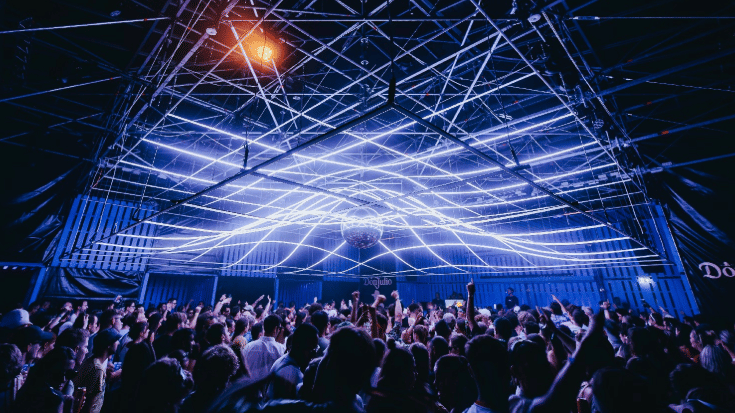
Image owned by Sziget Festival
Sziget's island setting creates a unique festival environment that distinguishes it from traditional field-based events.
The natural borders encourage exploration, with different areas having their own feel and shows.
August weather in Budapest usually gives steady sunshine and temperatures of 25°C - 30°C during the day.
The international crowd sets Sziget apart from many national festivals.
Fans come from over 100 countries, creating a truly global atmosphere, with programming reflecting world music trends rather than just local tastes.
Where to Stay During Sziget Festival
Hotels and Hostels that Sziget Festivalgoers Love
- Maverick - This local hostel group has four locations, plus private apartments, in the heart of Budapest. It offers reasonable prices and regularly hosts social events to meet fellow travellers and explore the city.
- Avenue Hostel - Located at Oktogon square, this well-rated hostel is right in the centre of Budapest. The staff are renowned for their friendliness, offering free advice and insider knowledge.
- Official Sziget Accommodation - Sziget festival offers a wide range of accommodation choices, from wooden lodges to bell tents, adding a little luxe to the outdoor experience.
- Ensana Thermal Margaret Island - If you're looking to sample Budapest's famous spa culture during Sziget, this health and wellness oasis on Margaret Island is the place to relax after long festival days.
The Sziget Festival Experience
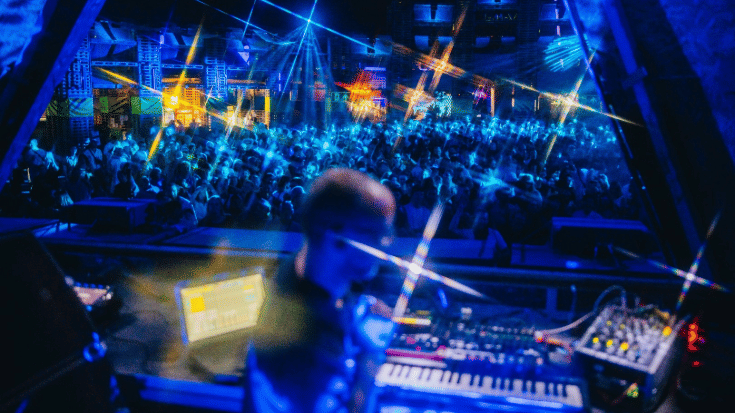
Image owned by Sziget Festival
What to Expect from the Crowds and Energy
Sziget Festival attracts a diverse international audience with ages ranging from late teens to festival veterans.
Peak attendance usually hits between Wednesday and Friday. Monday and Tuesday offer more relaxed conditions for first-time visitors.
Expect a gradual build-up of crowds from the afternoon through evening peak times.
Crowds build around bigger stages during headline performances, while the smaller stages tend to have a more intimate atmosphere.
And of course, the weather influences the crowds, making covered areas popular during the afternoon heat.
How to Handle Set Clashes at Sziget Festival
Set clashes are inevitable at big music festivals. But a little forward planning can avoid the heartache of missing your favourite bands.
Typically, you can head to the main stages a few minutes before sets start and comfortably find a spot.
Smaller stages, like Magic Mirror and The Buzz, can reach capacity, especially for more popular acts.
Pro tip: Make peace with seeing partial sets if you want to prioritise variety.
Best Spots for Sound and Views
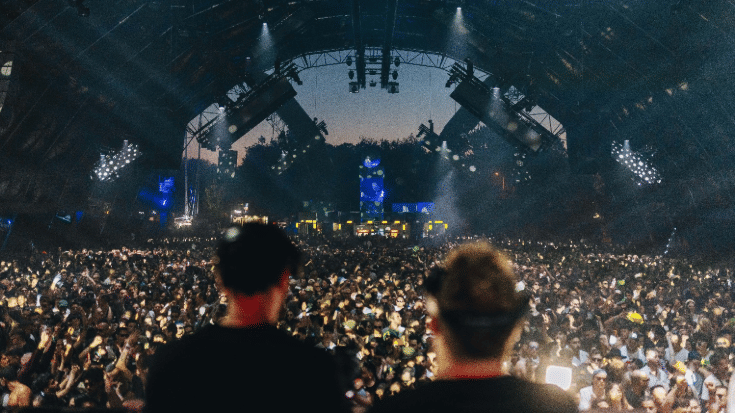
Image owned by Sziget Festival
The main stage has different vibes depending on where you stand.
Right at the front means big energy, but it's tricky to get away once the crowds build.
The middle area often has the best sound and more room to move. The hill behind gives great views and easy exits.
Smaller stages are often where you'll discover your new favourite artist.
If your priority is getting the best sound and views at Sziget Festival, elevated VIP areas are an option.
What to Take to Sziget Festival (and What to Leave Behind)

Essentials for Surviving Sziget Festival
August in Hungary means serious sun, so pack strong sunscreen, a hat, a light rain jacket, sunglasses and of course, comfortable shoes.
Dressing in layers is never a bad idea. It'll serve you well when the nights come in and temperatures hover at around 15°C.
Water will also be your best friend in the Hungarian summer heat. Festival organisers promote sustainability and allow refillable bottles you can top up at the many taps onsite.
Bags, Food and Drink
Although Sziget's official guidance doesn't call out big bags, it does state that security checks are in place and advises sticking to essential items only.
You can bring your own food into Sziget Festival, but alcohol and energy drinks aren't allowed.
Most vendors at Sziget accept card payments, but carrying a little cash is an essential fallback.
Tech Gear

Your phone will work hard at Sziget Festival - from opening the festival app to taking photos and running maps.
Take a trusty power bank and charging cable to avoid it dying when you need it most. You may also want to bring earplugs if you're sensitive to noise.
You can bring cameras to the Sziget Festival, provided they aren't professional kit.
If you're with the media, a different set of rules are in play, including applying for photo credentials.
Top tip: An eSIM for Hungary is the easiest way to stay connected during Sziget Festival. Opting for an eSIM means your own independent internet connection, not relying on free Wi-Fi and avoiding eye-watering roaming bills when you get home.
Is the Sziget App Worth Downloading?
The official festival app gives you key info like schedule changes, maps and artist details.
It sends alerts about time changes, weather and special news that might not reach you otherwise.
You can also make your own schedule and get reminders before acts you want to see.
Maps showing where is the Sziget festival are helpful when you're new to the big festival site. GPS features help you find specific places and plan good routes between different shows daily.
How to Get Around During Sziget Festival
Unsplash / Tomas Anton Escobar
Public Transport
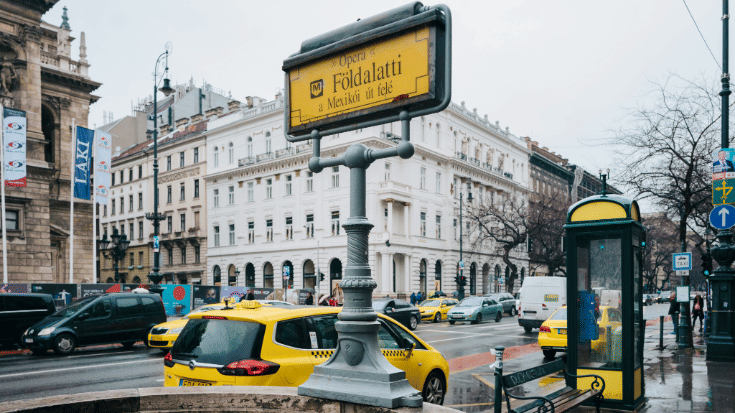
Budapest runs extra buses and trains during Sziget festival week, including special shuttles from metro stops to the island.
Day passes let you use all buses, trams, and metros as much as you want, which saves money if you're making lots of trips.
Metro Line 3 takes you to Árpád híd station, where festival shuttles run all day. Trams also go near the island.
Services run longer hours during the festival, but expect busy periods, especially when everyone's heading home after big acts.
The Best Way to Get Around Budapest
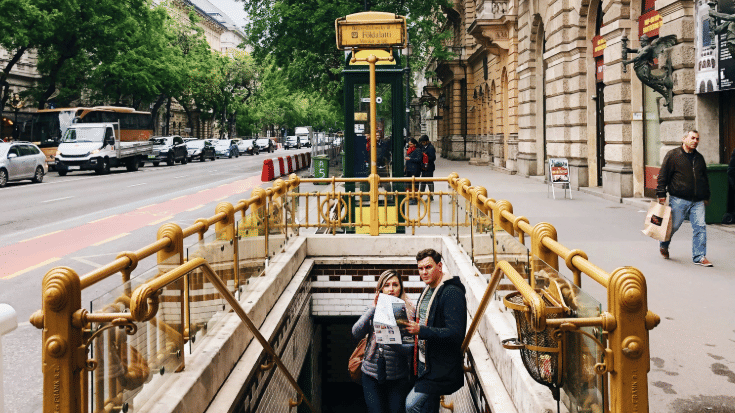
Central Budapest is small enough to walk around easily. It's mostly flat and safe for walking.
For longer trips or when you're tired from the festival, public transport connects everything well across the city.
The river divides the Buda and Pest sides of the city, with bridges linking them.
Most major sights are within two to three kilometres of each other, so you can see a lot without long journeys.
Taxi, Bolt or Uber?
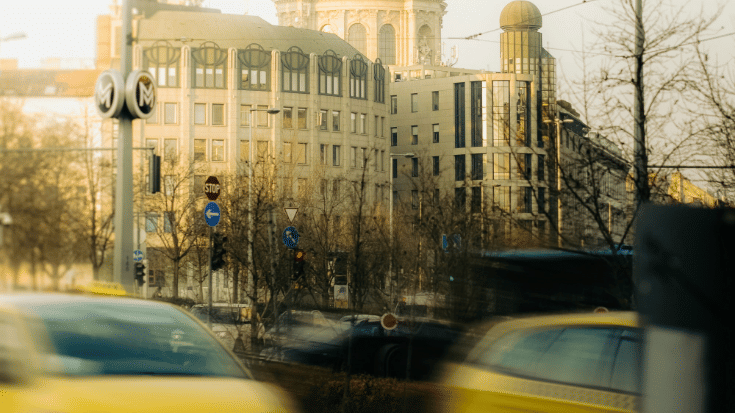
Ride-hailing apps like Bolt work well in Budapest and many users find them reliable and relatively affordable.
While Uber is available in partnership with local taxi firms, prices are often similar to other taxis.
So in many cases, Bolt can be cheaper, especially for shorter rides or outside peak demand times.
Example Taxi and Ride-App Fares from Sziget Festival
Sziget Festival to Deák Ferenc tér/city centre
- Approx price: HUF 3,400 - 4,100 (£8 - £10)
- Journey time: Around 13 minutes
Sziget Festival to Budapest Airport /Liszt Ferenc
- Approx price: HUF 9,000 - 11,000 (£21 - £26)
- Journey time: Around 34 minutes
Óbudai-sziget/festival island to Budapest Airport
- Approx price: HUF 6,500 - 8,000 (£15 - £19)
- Journey time: Around 24 minutes
Renting Bikes or Scooters
Budapest is a brilliant city for two-wheeled exploring. It's mostly flat through the centre, with a growing network of bike lanes along the main roads.
You'll still share space with traffic in some areas, so remaining vigilant and knowing the rules of the road is essential.
The city's official bike-share scheme is MOL Bubi, with hundreds of docking stations across Budapest. You can hop on a bike with a quick app download and pay-as-you-go fares.
For more flexibility, Donkey Republic also offers bikes and e-bikes dotted around the city.
If you prefer something speedier, there are plenty of e-scooter options, including Lime, Bolt Scooters and Dott.
They're handy for short hops but can vanish quickly during busy times.
Each app shows parking zones and rules, which are worth following. Riding e-scooters on pavements is a no-go.
Beyond the Festival - Things to Do in Budapest
Recovery Day Ideas
Recovery is crucial when you're hitting a festival full-pelt. And luckily, Budapest offers a whole load of relaxation opportunities.
Here are some of the best ways to relax when visiting Budapest.
Sights and Things to Do in Budapest
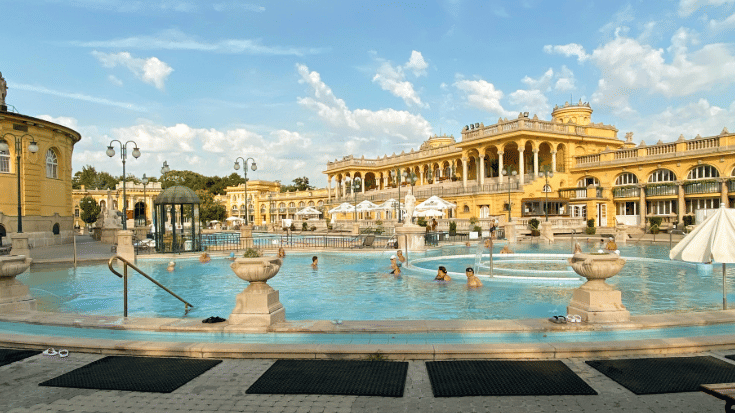
Soak in the waters and the environment at one of Budapest's famous thermal baths. Top picks include Szechenyi Baths, Gellért Thermal Bath or Rudas Thermal Bath.
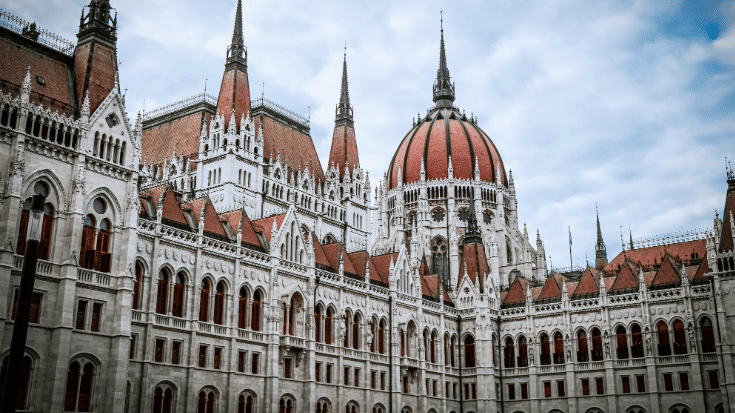
Budapest's parliament building is just as impressive inside as it is outside, and a tour is well worth your time.
Fisherman's Bastion offers some of the best views and photo opportunities in the city.
The Chain Bridge connects Buda and Pest and makes for great sunset walks.
Buda Castle sits on a hill with museums inside and gardens around it. The views over the Danube are worth the climb or funicular ride up.
Art
The Hungarian National Gallery in Buda Castle shows local artists from medieval times to the present day.
For modern art, check out the Ludwig Museum with its mix of Hungarian and international contemporary works.
Smaller galleries dot the city centre, many free to visit. The Palace of Arts hosts big exhibitions and has a striking modern building design worth a detour for.
Food and Drink

Budapest's food scene goes way beyond goulash. As well as Hungarian food, the capital city offers every kind of international fare you can think of, so your eating options are vast.
If you want to try Hungarian food, start with lángos, a kind of crunchy fried bread with toppings, schnitzel and chimney cake from street vendors.
Hungarian restaurants serve dishes like beef stew and stuffed cabbage that hit the spot after festival days.
The Great Market Hall has food stalls upstairs and local produce downstairs - perfect for snacking and souvenirs such as tins of paprika and sweet treats.
A local drink worth trying is the herbal Unicum, so ubiquitous that it's a national drink. The same goes for Pálinka, a kind of fruit brandy that most families brew at home.
Coffee culture is strong in Budapest, with independent cafés serving impressive espresso and bakes.
Nightlife and Gigs in Budapest
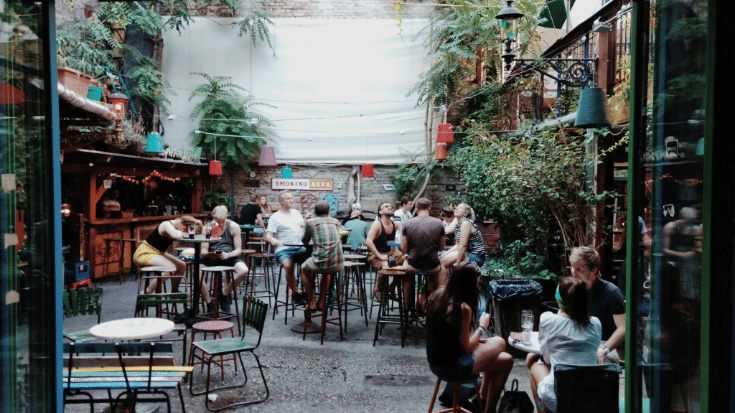
Budapest's famous ruin bars are always a great option, but there are plenty of other clubs and live music venues beyond these.
A38 is a boat club on the Danube with great acts and DJs. Instant-Fogas complex has multiple rooms with different music styles each night.
Durer Kert hosts indie bands and electronic acts in a garden setting.
Hit Red Ruin bar, a bright red tongue-in-cheek communism-themed bolthole, if you're in the mood for a no-frills, well-priced neighbourhood bar.
For jazz, try Opus Jazz Club or Budapest Jazz Club for intimate gigs. Many venues stay open way past midnight, so pace yourself if you're still doing festival days too.
At the high end of Budapest's nightlife sits the Duchess cocktail bar. Overlooking the Danube, it's pricey, but for glittering views of the city below, it's hard to beat.
Day Trips from Budapest

Visegrad, Hungary Unsplash / Krisztián Korhetz
- The Danube Bend area sits about an hour north and offers scenic riverside towns like Szentendre, known for art galleries and museums.
- Visegrád has castle ruins and great river views. Both make easy day trips by train or boat.
- Lake Balaton, Hungary's biggest lake, takes 90 minutes away by train. The north shore has wine regions and spa towns, while the south has beaches and plenty of party spots.
- Eger, famous for red wine and Turkish baths, is also just two hours east by train.
Staying Connected at Budapest's Sziget Festival
Stay Online at Sziget Festival with an eSIM
If you're going all-in on the festival experience, you'll need a reliable internet connection that lasts throughout your trip.
Roaming charges can cost a fortune if you're spending a week abroad and using your phone heavily, so it pays to plan ahead.
A Hungary eSIM from Airalo gives you solid data across Budapest and the festival site without changing your physical SIM card.
From always having the festival app to hand to instantly opening maps and train timetables, an eSIM for Hungary can really transform your Sziget Festival experience.
Visit the Airalo store to check out your best eSIM for Hungary options, choose your package and discover how to download your eSIM before you go.
FAQs - The Ultimate Sziget Festival Guide
1. Where is Sziget Festival and How Do I Get There?
Sziget Festival takes place on Óbuda Island in Budapest, Hungary. Fly to Budapest Ferenc Liszt International Airport, around 2.5 hours' flight time from UK, then take the 100E Airport Shuttle Bus to metro lines connecting to the festival site.
2. What Should I Pack for Sziget Festival?
Layers for 25 - 30°C days and 15°C nights, a raincoat, comfortable shoes, sun block, a refillable water bottle and an eSIM for Hungary. You'll also need a portable phone charger, some local apps and a thorough check of the festival's prohibited items list.
3. How Much do Sziget Festival Tickets Cost?
Seven-day passes for Sziget Festival typically start from €300 - €400 (£260 - £350) for early bird pricing. Day tickets are also available. Check the official website for current pricing and payment plans.
4. Is Sziget Festival Worth It?
Yes, Sziget offers exceptional value with a diverse range of acts across multiple stages, reliable weather, and affordable food and drink compared to UK festivals. The week-long format and cultural activities beyond music create a unique experience that is well worth the price.
5. Can you Camp at Sziget Festival?
Yes, on-site camping is available with basic and premium options. Basic camping provides space for your tent, while premium areas offer higher-end facilities and locations. Many international visitors prefer city accommodation for comfort and Budapest exploration opportunities.