


Planning your next European getaway? There's a new border process in action from mid-October 2025.
The Entry/Exit System (EES) has launched across Europe, and it'll change how UK travellers enter and exit countries in the Schengen area.
Officially starting on 12 October 2025, the EES has replaced traditional passport stamps with digital records.
Travelling to Europe from England, Scotland, Wales, or Northern Ireland? Here's everything you need to know about the EES, how it works, and what you can expect at the border.
Consider an eSIM for Europe: Staying connected when you land makes everything easier. You'll have instant access to accommodation confirmations, boarding passes, and any last-minute border information updates. An eSIM for Europe from Airalo connects you the moment you land, without hunting for Wi-Fi or buying local SIM cards. Check out your options here.
What Is The Entry/Exit System (EES)?
The EES is an automated IT system for non-EU nationals travelling for short stays across 29 European countries.
It's designed to modernise border controls by creating digital records instead of stamping passports.
Here's what the system does.
Digital Entry/Exit Records
The EES will gradually replace physical passport stamps with electronic records. Every time you enter or exit a Schengen country, the system logs it digitally.
Biometric Data Collection
The system registers your name, travel document data, biometric data, including fingerprints and facial images, and whether you were refused entry.
You'll provide all this data at the border. EES biometric checks will verify your identity.
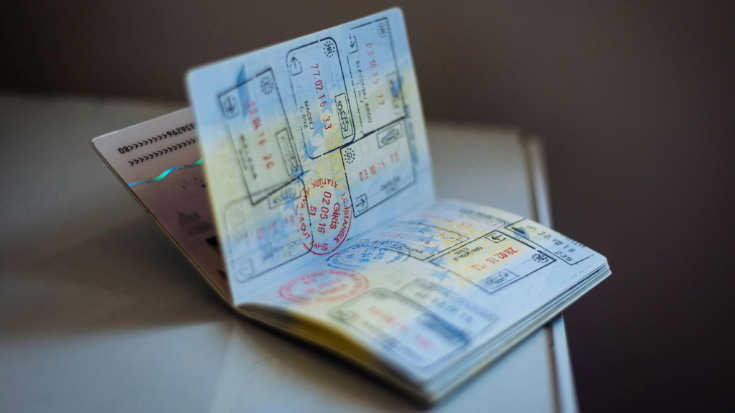
Unsplash / Global Residence Index
Applies To UK Citizens
Because the UK is no longer part of the EU, UK passport holders travelling to the Schengen area for short stays will be required to register biometric details such as fingerprints and a photo when they arrive.
No Pre-Registration Needed
You don't need to take any action before you arrive at the border, and there's no cost to register for the EES.
Important note: Large-scale international systems can face delays and updates. Always check the latest official guidance from GOV.UK and the EU's official EES page before you travel.
When Does The EES Start?
The EU Commission set 12 October 2025 as the launch date for the progressive start of operations of the EES.
The EES start date UK travellers need to be aware of is set. But it's not a single-day rollout.
It will be progressively rolled out at the external borders of 29 European countries over a period of six months. Its full implementation is expected by 10 April 2026.
Entry/Exit System: Key Dates for British Travellers
The new Entry/Exit System (EES) will apply to all non-EU travellers entering the Schengen Area, including British visitors.
- EES start date (UK): October 12, 2025.
- EES implementation period: October 2025 to April 2026.
- Planned completion date: April 2026.
Is The UK In The EES?
The UK isn't part of the EES system itself.
EES UK is a separate consideration from the Schengen area. However, UK passport holders are subject to EES requirements when travelling to Schengen area countries.
This applies to all UK travellers from England, Northern Ireland, Scotland, and Wales.
The 29 countries in the Schengen area are as follows:
- Austria
- Belgium
- Bulgaria
- Croatia
- Czech Republic
- Denmark
- Estonia
- Finland
- France
- Germany
- Greece
- Hungary
- Iceland
- Italy
- Latvia
- Liechtenstein
- Lithuania
- Luxembourg
- Malta
- Netherlands
- Norway
- Poland
- Portugal
- Romania
- Slovakia
- Slovenia
- Spain
- Sweden
- Switzerland
The EES system won't apply to UK travellers entering the Republic of Ireland or Cyprus, as these are not within the Schengen area.
EES: What Can UK Travellers Expect At The Border?
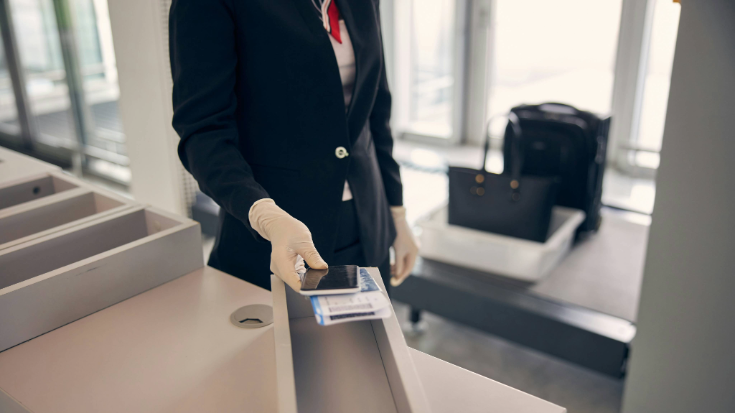
The EES process is designed to be straightforward. When you arrive at a border with the system in place, here's what you can expect.
Step 1: Approach The Registration Point
You'll be waved towards a kiosk or a border control desk. Some airports and ports will have self-service kiosks, while others will use staffed desks - the setup varies by location.
Major hubs will likely have banks of self-service kiosks. Smaller airports might use traditional border control desks equipped with EES technology.
Step 2: Scan Your Passport
Your passport will be scanned before you cross the border into a Schengen country. This will happen either at an automated gate or a self-service kiosk.
The system reads the chip in your biometric passport. This pulls up your basic information and checks if you're already registered in the EES database.
Step 3: Biometric Scans
You'll provide biometric data, including fingerprints and face scans.
The system captures your facial image and fingerprints digitally.
For fingerprints, you'll place four fingers on a scanner. The facial scan usually happens via a camera at the kiosk or desk.
The whole process should take just a few minutes for first-time registrations.
If you're already registered, the system simply verifies your existing biometric data. This verification is designed to be much faster than your initial registration.
Step 4: Digital Entry Logged
Your entry into the country will be logged electronically, replacing the traditional passport stamp you're used to seeing.
The system records the date, time, and location of your entry.
When you leave, your exit will also be logged, creating a digital trail of your Schengen movements.
The process is similar to what you experience now, with the addition of biometric scanning.
Most travellers should find it familiar and manageable. If you've used e-gates at UK airports, the EES experience will feel quite similar.
Will The EES Apply On Repeat Visits?
Yes, but with some good news for frequent travellers. Once you're registered in the system, subsequent visits can be quicker.
Border guards will verify your stored biometrics, such as fingerprints or face photos, rather than capturing them again.
If you have a biometric passport, you can often use self-service systems for faster processing.
This is where the system's efficiency shines. Regular visitors to Europe could breeze through borders more quickly than with traditional checks.
However, there are important caveats to understand.
Verification is Still Required
You'll still need to verify your identity every time you enter a Schengen country. The system doesn't eliminate border checks, it just digitises them.
Document Changes Matter
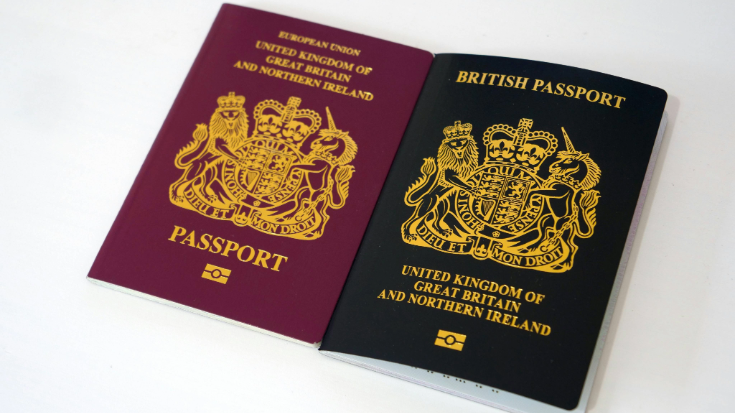
If you've renewed your passport or your travel documents have changed since your last visit, you may need to re-register your information at the border.
Your biometric data is linked to your individual passport.
Infrastructure Varies
The promise of faster entry works best at modern border crossings with the latest kiosks and self-service systems. These facilities can quickly access your stored data.
Smaller or rural border posts might not have the full infrastructure immediately. At these locations, processing times may vary.
Phased Rollout Will Impact Speed
The EES is being rolled out progressively over six months. During this period, not all border points will have the same capabilities.
So, the full benefits of faster re-entry won't be available everywhere straight away.
Data Storage Time Limits
Your biometric and entry/exit data isn't stored indefinitely.
According to current EES plans, this information is kept on file for three years. After this period, you'll need to register again.
Will The EES Slow Down My Travels?
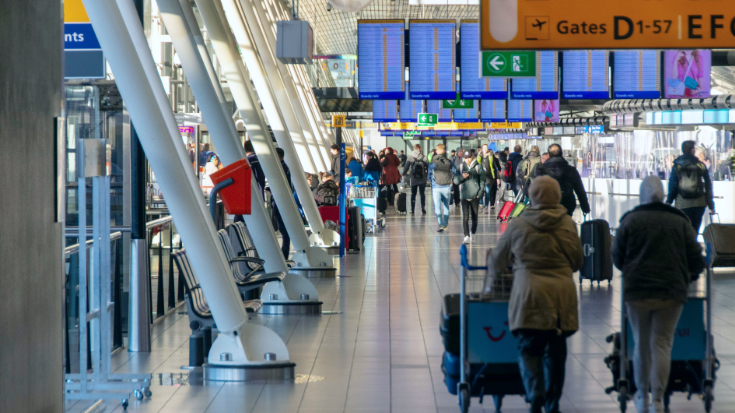
Possibly, especially at first. Any new system takes time to bed in.
During the initial months, you might face longer queues than usual as borders adapt to the processes and technology.
Also, travellers will be learning the process too and some locations may experience technical issues as they adjust.
The long-term goal is to make crossings more efficient for frequent travellers. Once your biometrics are stored, verification should be faster than traditional checks.
Patience will play a key part during these early stages. The system aims to streamline border crossings over time, but there may be teething problems initially.
What UK Travellers Should Do To Prepare For The EES
Preparation is key to smooth travels. Here's how to make your first EES experience as straightforward as possible:
Allow Extra Time
Plan for longer processing times when travelling after 12 October 2025. Add extra buffer time for airport check-ins and ferry departures.
Check Your Passport
A biometric passport makes the process smoother. Newer UK passports are biometric, but if you're using an older passport, check its status and renew it before your trip if necessary.
Keep Documents Accessible
Have your travel documents ready. You may be asked questions about your stay, where you're going, how long for and where you'll be based. Having accommodation details and return tickets to hand can help.
Stay Informed
As with any large-scale travel policies, all information around the new Entry/Exit system is subject to change. So be sure to check official government sources before you travel.
Both GOV.UK and the EU's EES information page provide up-to-date guidance.
Travel Smart, Stay Connected

Getting used to new border rules is easier with fast, reliable internet access.
An eSIM from Airalo can get you online the moment you land, keeping your boarding passes, travel updates, and border information handy.
Browse your eSIM Europe options here and choose the perfect data package for your trip.
No physical SIM cards, no roaming charges, just seamless connectivity across Europe.
FAQs - Entry/Exit System (EES) Explained: What UK Travellers Can Expect at the Border
1. What is the Entry/Exit System (EES)?
The EES is an automated IT system that registers non-EU nationals travelling for short stays in 29 European countries. It replaces traditional passport stamping with digital entry and exit records, and it collects biometric data such as fingerprints and facial images.
2. When is the EES start date UK travellers should know?
The progressive rollout of the EES began on 12 October 2025. Full implementation across all external borders of the 29 participating countries is expected to be completed by 10 April 2026. UK travellers should plan for potential initial delays.
3. Is the UK in the EES, or just subject to it?
The UK is not part of the EES system itself, as it is not a Schengen area member state. However, UK passport holders travelling to the Schengen zone for short stays are subject to the EES's requirements, including biometric data registration.
4. Will the EES biometric checks be required on every visit?
For your first EES interaction, your full biometric data, including your fingerprints and facial image, will be registered. On subsequent visits, your identity will be verified against your stored data. This should make entry a much quicker process, versus a full re-registration.
5. How can I ensure smooth processing during Spain EES passport checks?
To prepare for EES checks, including those in Spain, ensure you have a biometric passport, allow extra time for processing, and have your travel documents readily accessible. Staying informed about the latest guidance is also key.