


Visiting Bali on a budget doesn’t mean you have to miss out; you can still enjoy authentic Indonesian cuisine, hike through lush rice terraces, and lounge on beaches without spending big. It’s just a matter of knowing how to make your rupiah go further.
Simple money-saving hacks like swapping hotels for guesthouses, avoiding peak season, and setting up an Indonesian eSIM before you arrive make it easy to keep costs down while still experiencing the best the island has to offer. Here’s your ultimate guide to saving money in Bali.
Practical Tips for Visiting Bali on a Budget
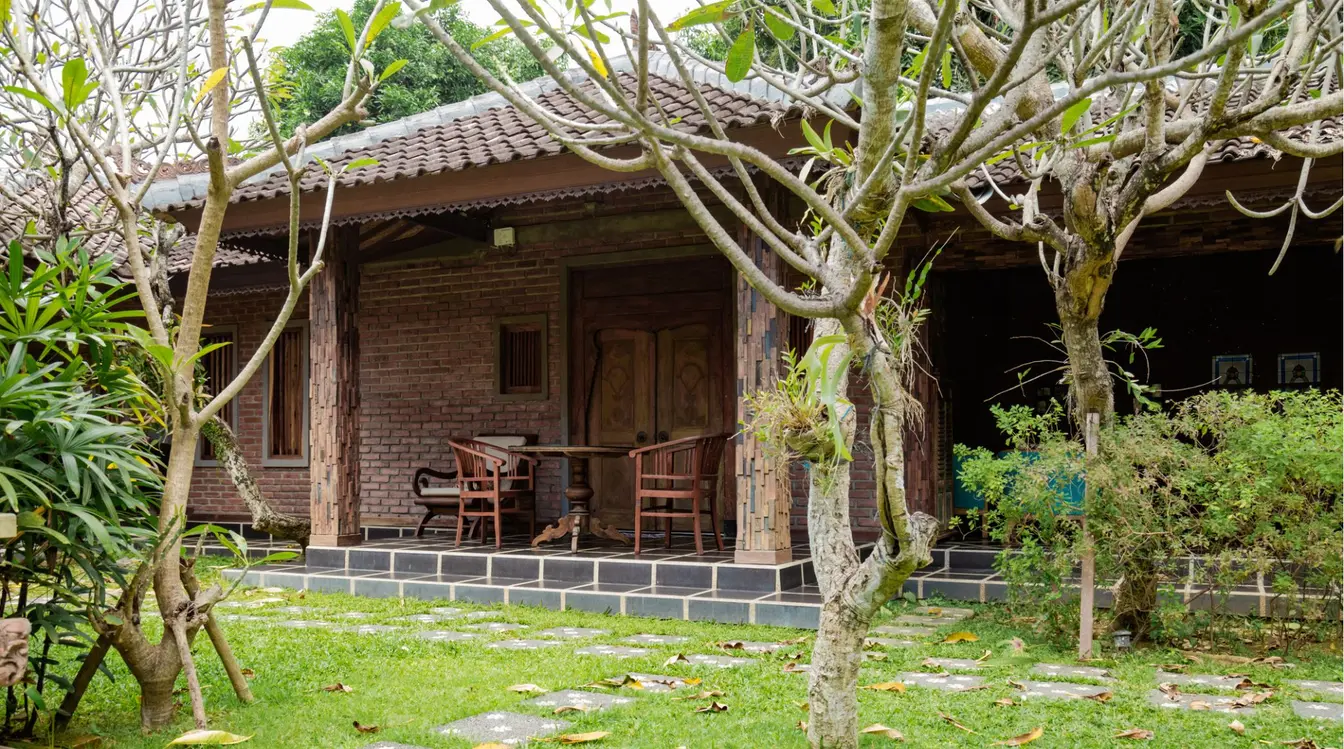
Skip the Hotels and Book a Local Guesthouse
Forget the luxury hotels and resorts — guesthouses are a much more budget-friendly option. Sure, it can be tempting to splurge on a five-star hotel with an infinity pool and rice terrace views, but if you’re serious about keeping costs down, the markup isn’t worth it.
Despite offering much lower rates, some guesthouses have swimming pools, so you don’t even have to miss out on those relaxing pool days. And because guesthouses are family-run, the owners can often share local insight into other ways to experience Bali on a budget.
Escape to Bali’s Hidden Gems

Most people head straight for popular spots like Kuta and Canggu, where accommodation and food prices are often inflated, but there are plenty of unique places to visit in Bali where your budget goes further. In quieter villages like Munduk and Sidemen, you’ll find affordable local guesthouses and can spend your days hiking through verdant rice terraces for free instead of paying for guided tours.
As well as saving you money, getting off the beaten path allows you to experience a completely different side of Bali, whether that’s hidden jungle waterfalls or black-sand beaches with epic volcano views. That’s not to say you should skip busier spots like Ubud altogether, but venturing from the tourist trail rewards more than just your wallet.
Stay Connected for Less With an eSIM
One of the simplest ways to save money in Bali is by setting up an Indonesia eSIM to avoid expensive roaming charges. Instead of racking up massive bills with your home carrier, having an eSIM means you can do everything from navigating with online maps to booking taxis via Grab or Gojek for a fraction of the price.
And Wi-Fi on the island can be pretty hit-or-miss, so having reliable mobile data as a backup gives you an alternative if your accommodation’s internet cuts out or isn’t up to speed. Read our guide to the best eSIM for Bali to find the best value package for your trip.
Eat Budget-Friendly Meals at Local Warungs

Tourist hotspots like Canggu have an impressive selection of restaurants serving everything from Greek to Mexican food, but international cuisine isn’t as cheap as you might expect in Bali. For better value, stick to local warungs (small, family-run restaurants), where you can enjoy authentic Balinese and Indonesian dishes at a fraction of the price.
Even in Bali’s more expensive areas, dishes at warungs typically start from as little as IDR 30,000–40,000. International meals usually start around the IDR 100,000 mark, though you can easily end up paying three or four times that depending on where you go.
So, skip the burgers and pizzas and stick to mie goreng and nasi campur if you’re trying to keep your costs down.
Ditch Beach Clubs and Head to the Beach Instead

Bali’s beach clubs have soared in popularity in recent years, but they aren’t exactly geared towards budget travelers. Although spending a day sunbathing and drinking cocktails in between dips in the pool is undeniably fun, steep food and drink prices mean it’s best to give them a miss if you’re trying to keep costs down.
Fortunately, it isn’t exactly hard to find a free alternative, seeing as these clubs sit right alongside the island’s public beaches. And even in pricey areas like Canggu, you’ll find local bars right on the sand serving ice-cold Bintangs at much more affordable prices.
Be Careful When Using Taxis
Bali has an infamous “taxi mafia,” known for targeting unsuspecting tourists with inflated fares. As soon as you step into the arrivals hall at Denpasar Airport, you’ll be greeted by a swarm of drivers pushing overpriced rides. Their influence extends across the island, primarily at major tourist hubs like Kuta and Seminyak, so you need to take precautions to avoid being overcharged.
How To Avoid Bali’s Taxi Mafia
The easiest way to avoid being ripped off by Bali’s taxi mafia is to stick to ride-hailing apps like Grab and Gojek. These apps offer fair rates and quote prices upfront, so you always know the exact cost before you book a trip. You can use either app for airport transfers, and both have free lounges for you to wait in until your driver arrives.
For other trips, you can find independent local taxi drivers online who offer competitive prices. These are great for day trips around Bali, but make sure to get quotes from multiple drivers to ensure you get a good deal.
Pack Light to Avoid Baggage Fees
A simple but effective way to save money before you even fly is to stick to a carry-on to minimize airline baggage fees. If traveling that light isn’t an option, pay for minimal checked baggage or split a checked bag with a travel buddy if you have one.
Because you’ll want light, breathable clothing, it’s easier than you think to fit everything you need into a small bag. And even if you can’t pack enough for your whole trip, local laundry services in Bali are inexpensive and usually cost far less than paying for extra baggage.
Avoid Bali’s Peak Season and Major Holidays

Steering clear of peak season and major holidays often means better deals on flights and accommodation — instantly reducing two of your biggest expenses. The island is at its busiest in July and August, and also sees a surge of tourists during Christmas and New Year, so you’ll want to avoid these periods if you’re trying to save money.
For the best balance of good weather and lower prices, visit during April, May, September, or October. These months avoid Bali’s peak tourist season but still bring warm, sunny days and typically very little rainfall.
Visiting during the shoulder season has the added benefit of fewer crowds, so you can enjoy experiences like hiking Mount Batur at sunrise without the endless stream of tourists you’d find in July and August.
Haggle for the Best Deals

Being on a tight budget doesn’t mean skipping souvenirs altogether; you just need to know how to haggle to get the best price. It’s standard practice to negotiate prices at independent stalls and spots like the Ubud Art Market, especially when products don’t have a marked price.
In some cases, you’ll be able to get up to 50% off the initial asking price, with vendors typically giving better deals if you buy more than one item. Always keep your negotiations friendly and remember you still want to give the vendor a fair deal, but be prepared to walk away if the price is too high.
Save Cash With a Fee-Free Travel Card
Make every rupiah count by using a fee-free travel card to bypass foreign transaction charges and overseas ATM fees. The right card for you depends on what’s available in your home country, but a quick bit of research and forward planning helps prevent extra charges from eating into your budget.
Certain ATMs in Bali do charge their own withdrawal fees, so stick to ATMs by major domestic commercial banks like BNI or BCA, which usually charge either no local ATM usage fees or low ones for foreign cards. Smaller institutions must pay larger networks to process your foreign card, passing that expense directly to you.
And, when given a choice, always choose to pay in IDR and reject conversions offered by card machines or ATMs, as they almost always give you a worse exchange rate.
Directs to Airalo help center for more support information.