


Trending Destinations: The Dolomites
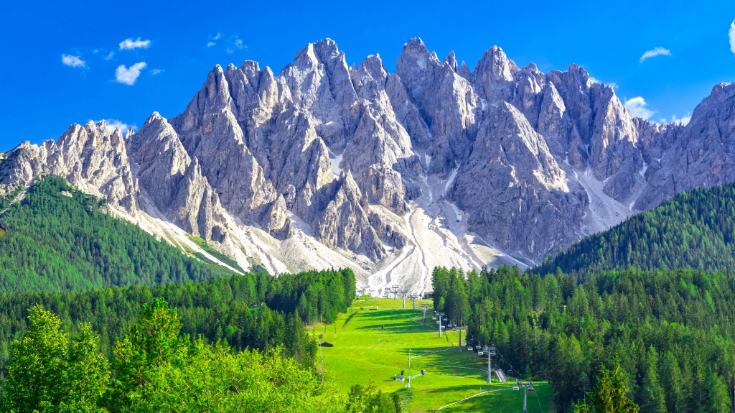
The Dolomites: where Brits are increasingly trading predictable beach holidays for something with a bit more altitude. These dramatic peaks in northern Italy aren't just for hardcore mountaineers or ski enthusiasts anymore.
They're the next big thing for anyone seeking stunning landscapes without the crowds of Europe's usual suspects.
Adobe Free Stock / Flaviu Boerescu
With soaring limestone formations, jewel-toned lakes and meadows straight out of a desktop wallpaper, this UNESCO-listed mountain range offers adventures for everyone.
Discover what all the fuss is about with our Dolomites travel guide. Here's everything you need to know about northern Italy's best-kept secret.
The Italian Dolomites - The Ultimate Travel Guide
Getting There and Getting Around
Getting to the Dolomites requires a bit more effort than your standard package holiday to Benidorm.
But you'll find that the payoff is worth every minute of the prep.
Which Airports are Closest to the Dolomites?
The Dolomites are best accessed from airports in Venice, Verona or Innsbruck.
Venice Marco Polo Airport is your best bet for reaching the southern Dolomites. For the northern parts, Innsbruck in Austria should be your go-to route.
Renting a Car in the Dolomites
Renting a car is the easiest way to explore the region, though I'd recommend brushing up on your mountain driving skills first.
Nothing says "British tourist" quite like gripping the steering wheel with white knuckles while navigating hairpin bends.
Getting Around The Dolomites on Public Transport
If you'd rather leave the driving to someone else (wise choice), buses and trains connect major towns like Bolzano, Cortina d'Ampezzo, and Bressanone.
Staying Connected in the Dolomites
I'd always recommend an Airalo eSIM for Italy for reliable mobile data to help with your navigation and travel planning.
There's nothing worse than hunting for Wi-Fi or struggling for a signal, especially in remote places like the Dolomites.
Best Time to Visit
Timing your visit to the Dolomites is a bit like trying to time the perfect cup of tea – it all depends on what you're after.
Summer (June to September) is ideal for hiking and outdoor activities. The weather is generally pleasant, though in true British fashion, I'd still pack a raincoat. The temperatures hover around a comfortable 20-25°C during the day.
Winter (December to March) transforms the region into a snow-covered playground perfect for skiing and snowboarding.
Autumn (September to November) offers stunning foliage and fewer crowds, while Spring (April to May) can be a bit muddy as the snow melts, with late May welcoming the wildflowers.
Top Things to Do
Hiking
- Tre Cime di Lavaredo: This iconic three-peaked rock formation is instantly recognisable and incredibly picturesque. The circular route takes about 4 hours and offers views that'll make your Instagram followers weep with envy.
- Seceda: With its jagged ridgeline, Seceda looks like something straight out of a fantasy film. A cable car will take you most of the way up if you're feeling lazy.
- Lago di Sorapis: This milky blue lake requires a bit of effort to reach, but it's worth every step. The water is so turquoise it looks Photoshopped, even in real life.
Skiing and Snowboarding
- Cortina d'Ampezzo: Host of the 1956 Winter Olympics and the upcoming 2026 games, Cortina is the cool kid of Dolomite ski resorts. It's even been featured in a James Bond film.
- Val Gardena: With 175km of slopes, it's part of the Dolomiti Superski area – the world's largest ski network with over 1,200km of slopes.
- Alta Badia: Perfect for beginners or food lovers. Try the “Taste for Skiing” event where top chefs create gourmet dishes in mountain huts.
Lakes and Scenic Spots
- Lago di Braies: Also known as the "Pearl of the Dolomites," this lake is surrounded by pine forests and featured in the TV series Un Passo dal Cielo.
- Lago di Carezza: A rainbow-coloured lake said to have been created by a wizard. It's as magical as it sounds.
- Alpe di Siusi: Europe's largest high-altitude Alpine meadow, perfect for scenic day hikes and Sound of Music-style frolicking.
Climbing and Via Ferrata
- Via Ferrata: Fixed steel-cable climbing routes created during WWI, now used by modern thrill-seekers.
- Rock Climbing: Unique limestone routes attract climbers from around the world – some easy, others vertigo-inducing.
Hidden Gems
- Val di Funes: A peaceful valley with stunning views of the Santa Magdalena church and Odle mountains.
- Chiusa: A charming medieval town with narrow streets and storybook buildings.
- Passo Giau: This mountain pass has some of the best panoramic views in the region. Popular with cyclists.
Where to Stay
Luxury
- Cortina d'Ampezzo: Glamorous hotels, top-tier skiing and celebrity sightings are common here.
- Alta Badia: Michelin-starred hotels like Rosa Alpina make it a luxury haven for foodies and spa-lovers.
Mid-Range
- Ortisei: Affordable hotels and guesthouses with great access to outdoor activities and half-board options.
- Bressanone: One of the oldest towns in the area, with reasonably priced stays and a rich blend of cultures.
Budget
- Mountain Huts (Rifugi): Budget-friendly, dorm-style huts in the mountains with half-board and epic views.
- Agriturismo: Farm stays with local meals and rustic charm, plus the chance to meet a goat or two.
Local Food and Drinks
- Canederli: Bread dumplings served in broth or with butter and cheese – ultimate mountain comfort food.
- Speck: Juniper-flavoured smoked ham, perfect for charcuterie boards or hiking picnics.
- Polenta: Hearty cornmeal served with cheese, mushrooms or wild game.
- Strudel: A sweet apple pastry loved across the Dolomites – cultural immersion, one bite at a time.
- Wines: Try Gewürztraminer or Lagrein from South Tyrol, ideal with local mountain fare.
Tips for Travellers
- Pack for the weather: Layers are a must – weather changes quickly in the mountains.
- Book ahead: Accommodation fills up fast in peak season – plan ahead.
- Respect the environment: Stick to trails and follow Leave No Trace principles.
- Learn local phrases: Italian, German and Ladin are all spoken – even a simple “grazie” helps.
- Wear proper footwear: Sturdy hiking boots are essential – your ankles will thank you.
One Final Travel Tip: Stay Connected
Stay connected in the Dolomites without the faff of hunting for Wi-Fi or the shock of roaming charges. Get your Airalo eSIM for Italy before you go and enjoy seamless connectivity from the moment you land.
FAQs About the Dolomites
1. Where are the Dolomites located?
The Dolomites are in northeastern Italy, spanning the regions of South Tyrol, Trentino and Belluno.
2. How do I get to the Dolomites?
Fly into Venice, Verona or Innsbruck and drive or use public transport to reach the mountains. Venice is best for the south, Innsbruck for the north.
3. What’s the best time to visit the Dolomites?
Summer is great for hiking, winter for skiing. Spring and autumn offer fewer crowds and stunning natural beauty.
4. Is the Dolomites region expensive?
It can be, but options exist for all budgets – from luxury hotels to affordable mountain huts and agriturismos.
5. Do I need mobile data in the Dolomites?
Yes – especially for navigation and bookings. Avoid roaming fees with an Airalo eSIM for Italy.