


When brushing up on facts about Norway, one statistic stands out: year after year, this Scandinavian nation ranks among the world's happiest countries. For a place famous for sub-zero winters, expensive pints, and months of darkness, that's a lot to explain.
Norway is a nation where toddlers nap outdoors in freezing temperatures, supermarkets sell 47 million frozen pizzas a year, and a Norwegian fisheries delegation quietly convinced Japan to put salmon in sushi.
This guide covers 21 fun facts about the Norwegian way of life, from the origins of “Easter crime” to the sacred etiquette of bus stop personal space, and why this Arctic nation keeps coming out on top.
Money-saving Tip in Norway: The best way to get online in Norway in 2026 is with an eSIM. Not only do they remove the need to hunt for local plastic SIM cards, but they also help avoid shock roaming fees. New to eSIMs? We're giving you 15% off your first eSIM from Airalo. To redeem, select the best eSIM for Norway for your trip, then enter the code UKIREBLOG15 at checkout. Terms and conditions apply.
Norway's Wild Side: Exploring Fjords and Wild Wonders
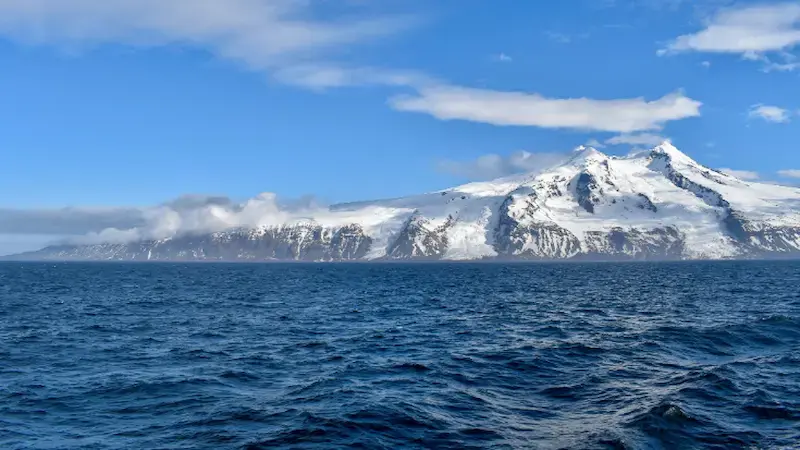
Norway's dramatic landscape is defined by its deep coastal fjords, towering mountains, and Arctic phenomena. These unique environmental features are a primary driver for global eco-tourism and vital scientific research.
1. The Lærdal Tunnel is the World's Longest Road Tunnel
At 24.5 kilometres long, the Lærdal Tunnel connects the communities of Lærdal and Aurland. To prevent driver fatigue, psychologists from SINTEF worked with Norway's Public Roads Administration on the interior design, dividing the tunnel into four sections separated by three mountain caves, each lit in blue and yellow to simulate sunrise.
2. Hardangervidda Is Home to Europe's Largest Wild Reindeer Herd
The Hardangervidda mountain plateau is home to Europe's largest herd of wild reindeer. As the Hardangervidda National Park's records show, this vast open space, covering over 8,000 km², supports reindeer migration routes that have remained unchanged for over 8,000 years.
3. Norway's Midnight Sun Keeps the Sky Lit for Up to Two Months
Above the Arctic Circle, Northern Norway experiences the natural phenomenon known as the midnight sun. From May to July, the sun remains continuously visible above the horizon for up to 76 days. According to Northern Norway's Tourist Board, this massive influx of summer tourists is directly driven by travellers arriving to experience the midnight sun and unique Arctic scenery.
4. Norway's Tromsø Is Considered the Northern Lights Capital of the World
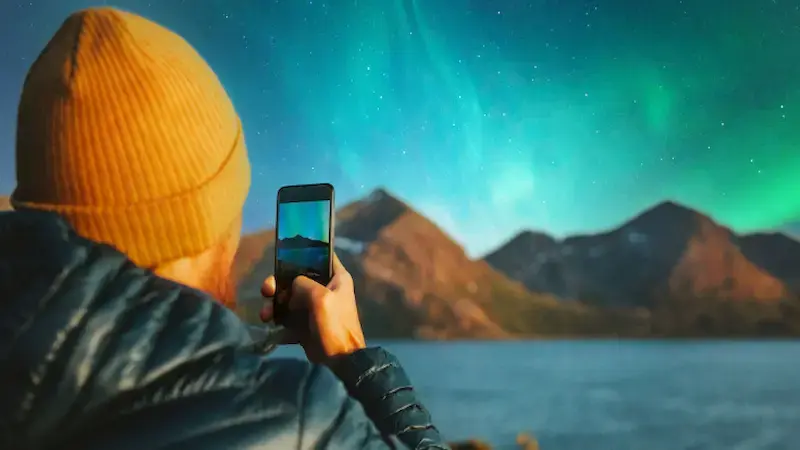
Tromsø is located at 69°N, directly beneath the auroral oval, making it one of the most consistently reliable places on Earth to see the aurora borealis between September and April. The city's position, accessibility via direct international flights, and purpose-built aurora tourism industry have earned it recognition as the world's Northern Lights capital, drawing over 300,000 aurora tourists every year, more than four times its own population of 75,000.
Pro Tip: Chasing the Aurora
Aurora forecast apps are essential for tracking cloud cover and solar activity on the move, so reliable mobile data matters. Since Brexit, UK travellers have no guaranteed free roaming in Norway, so check your provider before you go. For everything else, read our complete guide to seeing the Northern Lights from the UK.
5. Norway Has More Than 1,100 Fjords, Including the World's Longest
Norway's deeply indented western coastline features more than 1,100 fjords carved by ancient glacial activity. The Sognefjord is the longest, stretching 205 kilometres inland from the ocean.
6. The Most Remote Island on Earth is Norwegian
Bouvet Island in the South Atlantic Ocean is an uninhabited Norwegian dependency sitting roughly 1,000 miles north of Antarctica. Declared a nature reserve in 1971, it has no permanent human residents, no infrastructure, and only approved scientific expeditions are allowed to visit. Because the island is covered almost entirely by thick glacial ice, meteorological researchers use this isolated territory to monitor extreme global weather patterns and study seabirds, Antarctic fur seals, and penguin colonies.
7. Beerenberg: Norway's Only Active Volcano Hasn't Erupted Since 1985
Beerenberg is the world's northernmost active subaerial volcano, sitting on the remote island of Jan Mayen roughly 1,000 km west of the Norwegian mainland. Standing at 2,277 metres, it last erupted in 1985. The first recorded ascent was made in August 1921 by a British-Swiss scientific expedition. A century later, a team retraced their exact route, collecting glaciological samples to measure the impact of climate change on Beerenberg's glaciers.
The Norwegian Way: Koselig, Friluftsliv, and Cultural Quirks
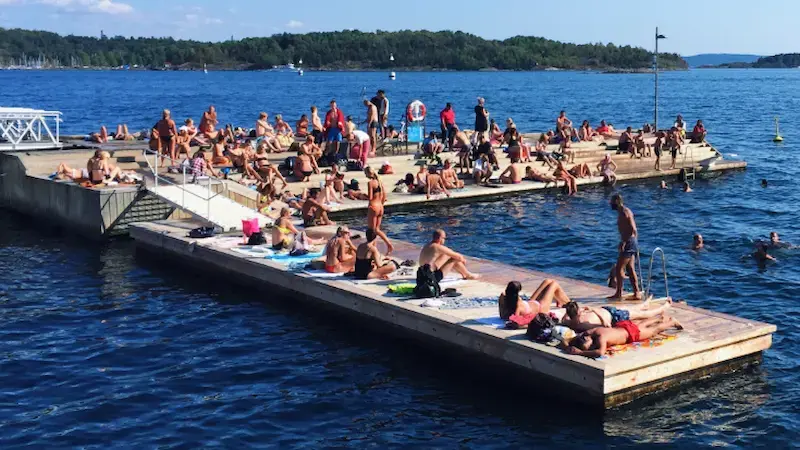
These facts about Norwegian culture reveal a society built on deep social trust, egalitarianism, and friluftsliv, the Nordic philosophy of outdoor living that shapes everything from how babies nap to how Norwegians spend their weekends.
8. Norwegians Convinced Japan to Put Salmon in Sushi
In 1985, a Norwegian fisheries delegation launched Project Japan, an initiative to export excess Atlantic salmon to Asian markets. After ten years of persistent effort, including serving salmon at dinner parties at the Norwegian Embassy in Tokyo and running targeted campaigns, raw Norwegian salmon was gradually accepted into Japanese sushi culture. The rest is history.
9. Norway Is One of the World's Biggest Coffee-Drinking Nations
Coffee culture is deeply woven into Norwegian daily life: nine out of ten Norwegian adults drink coffee, typically black filter coffee, and alcohol prohibition from 1917 to 1927 is widely credited with cementing it as the country's default social drink.
10. A Norwegian Carpenter Invented the Cheese Slicer in 1925
A determined Norwegian carpenter named Thor Bjørklund invented the ostehøvel, a slicer designed to easily cut through hard cheeses such as Jarlsberg. Frustrated with standard knives, he modelled it after a carpenter's plane. Bjørklund patented the device in 1925, and mass production began in 1927. Since then, this kitchen staple has helped Norwegians slice cheese much thinner, making it last longer.
11. Norwegians Have a Tradition of Reading Crime Novels at Easter
Every Påske (Easter), Norway undergoes a nationwide ritual known as Påskekrim, which translates literally as "Easter crime." It began in 1923 when publisher Gyldendal placed the title of a new crime novel, "Bergenstoget plyndret i natt!" (The Bergen Train Was Robbed Last Night!), as a fake headline on the front page of national newspaper Aftenposten. Readers believed it was real news and called the railway in a panic. The book became a bestseller, and the tradition stuck. Today publishers time crime novel releases to Påske, broadcasters schedule detective dramas across the Easter week, and dairy company Tine prints short mystery stories on milk cartons.
The Sacred Rule of Personal Space
Norwegians deeply value personal space and physical distance, viewing it as a sign of respect, privacy, and politeness, rather than coldness. Public space is sacred, so you'll notice habits like avoiding standing near strangers at bus stops, on public transport, or in elevators. Silence is comfortable, and verbal interaction is usually kept to a polite minimum in public.
12. Babies Nap Outside in Freezing Temperatures
It's standard practice for Norwegian parents and daycares to leave infants napping in strollers outdoors, even in sub-zero temperatures. Built on a medical belief in the health benefits of fresh air, this reflects the Norwegian people's deep societal trust and childrens' early introductions to friluftsliv.
13. Norway Eats 47 Million Frozen Pizzas a Year, Half of Them Grandiosa
Despite exceptional access to world-class seafood, Norway gets through around 47 million frozen pizzas every year, and roughly half of them are Grandiosa. Since its launch in 1980, this simple pie, topped with ham, Jarlsberg cheese, and paprika, has become a beloved comfort-food staple.
14. Norway Has Two Official Written Languages
The Norwegian language has two official written forms: Bokmål (Book Norwegian) and Nynorsk (New Norwegian). While Bokmål evolved from historical Danish influence, Nynorsk was developed in the 19th century from traditional rural dialects to preserve the country's rich linguistic heritage.
Norway's Legacy: The Historic Milestones That Shaped the World
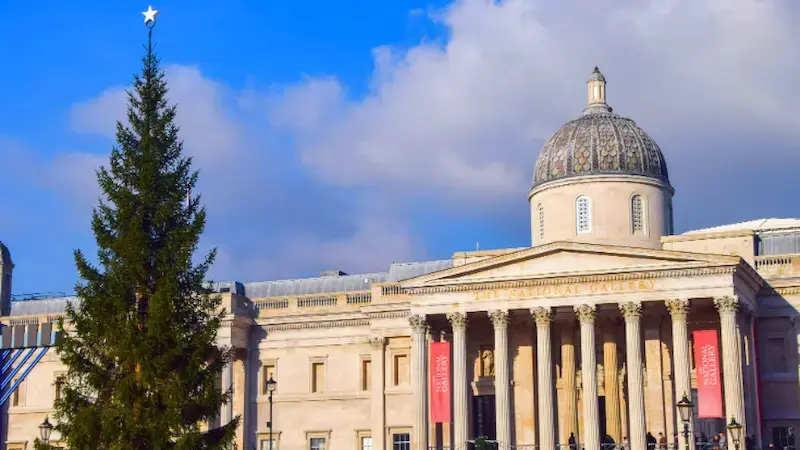
Norway's global footprint is disproportionate to its 5.5 million population: it hosts the Nobel Peace Prize ceremony, holds the all-time Winter Olympics medal record, and has gifted London a Christmas tree every year since 1947.
15. The Nobel Peace Prize Has Been Awarded in Oslo Since 1901
While the other Nobel Prizes are awarded in Stockholm, Sweden, the Nobel Peace Prize ceremony takes place annually at Oslo City Hall. Alfred Nobel specifically requested this geographic separation in his will. The Nobel Prize website speculates that he chose Norway because its parliament had a proven track record of championing international mediation and peaceful conflict resolution.
16. Norway Has Won More Winter Olympic Medals Than Any Nation on Earth
Norway holds the all-time record for Winter Olympic medals, having surpassed 440 total podium finishes, including a record 41 medals at the 2026 Milano Cortina Games. This unparalleled success is thought to be due to reasons such as universal early access to cross-country skiing and the national obsession with friluftsliv.
17. Norway Has Gifted London a Christmas Tree Every Year Since 1947
King Haakon VII of Norway escaped to London during the German occupation of Norway in World War Two, where he established a government-in-exile. As a token of appreciation, Norway has gifted a massive spruce tree to the city of London every year since 1947. Standing proudly in Trafalgar Square in front of the National Gallery, it serves as a centrepiece for the English capital's festive markets.
18. Every Norwegian's Income Is Publicly Listed Online
In the spirit of absolute egalitarianism, the annual tax returns of every Norwegian citizen are publicly accessible online. This policy reflects Norway's broader commitment to transparency and is seen as a cornerstone of the country's exceptionally high levels of social trust.
Norway Trending: Coolcations.
One of the top travel trends of 2026 is coolcations. That is, taking trips to colder climates during summer to seek relief from the intense heatwaves of recent years. And Norway, along with its Nordic neighbours, is a perfect coolcation destination. Coolcations have another happy side effect — alleviating overtourism. As popular destinations pack out in summer, coolcationers are turning their attentions to the wild beauty of Scandinavian nations, with their fresh air, manageable temperatures, and breathtaking landscapes.
Weird and Wonderful Norway: Quirky Trivia and Odd Facts
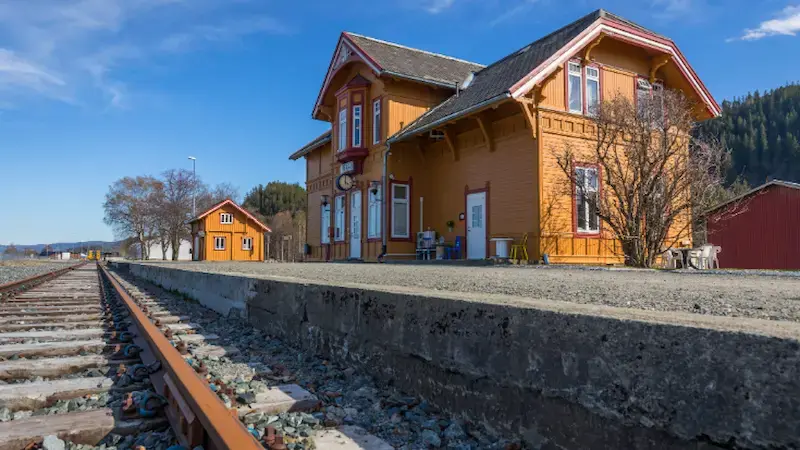
From a village called Hell to a knighted penguin and a Viking helmet myth that's been wrong for 200 years, Norway's eccentric side is as hard to explain as it is to forget.
19. Hell Is a Real Village in Norway, and It Freezes Every Winter
Over a thousand residents live in the Norwegian village of Hell, located in the Trøndelag region. Travellers flock to the local train station to photograph the ‘Hell’ sign freezing over in winter. It isn't all about the notoriety, though. Every September, this low-key village hosts a well-regarded blues festival that attracts international artists, is home to ancient rock carvings of reindeer that date back over 6,000 years, and produced Miss Universe 1990, who gained the nickname 'the beauty queen from Hell'.
20. The Sámi People Have Run Their Own Parliament in Norway Since 1989
The indigenous Sami people inhabit the northern regions of Norway, operating their own dedicated Parliament (Sámediggi) in Karasjok. Established in 1989, this political body protects its distinct culture, land rights, and traditional reindeer herding practices.
21. Norway Knighted a Penguin, and He's Now a Major General
Sir Nils Olav III is a king penguin residing at Edinburgh Zoo who holds the official rank of Major General in the Norwegian King's Guard. The tradition dates back to 1961, when a Norwegian officer visiting the Royal Edinburgh Military Tattoo fell in love with the zoo's penguin colony and arranged for the regiment to adopt one. Sir Nils has been promoted every time the King's Guard has visited Edinburgh since, working his way up from Lance Corporal to his current rank, awarded in 2023.
22. Real Vikings Never Wore Horned Helmets
Contrary to widespread popular culture, scientific analysis shows that real Vikings from Norway and the rest of Scandinavia didn't wear horned helmets in battle. They would have been lethal liabilities in close combat. As Denmark's National Encyclopedia website explains, the horned imagery was entirely fabricated by 19th-century costume designers for romantic theatre.
As a treat for your Norway trip, we're giving you 15% off your first eSIM from Airalo. To redeem, select which eSIM for Norway you need, then enter the code UKIREBLOG15 before you complete your purchase. Terms and conditions apply.
Directs to Airalo help center for more support information.
Opens chat with Airalo support on WhatsApp.