

Nigel Seah is a guest blogger for Airalo and an avid traveler with extensive experience across Asia and South America, sharing his adventures and insider tips below.
Planning a trip to Indonesia from India usually starts with the fun stuff. Flights. Food plans. Beach daydreams. Then reality taps you on the shoulder and asks, "Cool, but… what about the visa?"
You're not alone. Most travelers aren’t trying to read government webpages at midnight with three percent battery and airport Wi-Fi that dies the second you click “submit.”
This guide gives you the clear answer on whether Indian passport holders need a visa for Indonesia, the best visa options for most trips, and the small entry details that make the difference between a smooth arrival and a slow-motion queue situation.
We'll also show you how to make arrivals easier with an Indonesia eSIM or an Asia regional eSIM, so you can pull up confirmations, fill in arrival forms, book your ride, and move through immigration like you've done this before, even if it's your first time.
Quick Answer at a Glance
If you're holding an Indian passport, the short answer is yes, you need a visa to enter Indonesia.
The good news is that for tourism, Indonesia keeps it pretty simple. Most Indian travelers use Visa on Arrival (VoA) or the electronic Visa on Arrival (e-VoA). They're essentially the same visa, just different ways of getting it.
For a standard holiday, here's what matters:
- Most common option: Visa on Arrival or e-VoA
- Stay length: Up to 30 days
- Extension: Extend once for another 30 days (up to 60 days total)
- Best for: Tourism, short visits, and casual travel plans that might stretch a little
Indonesia Visa Basics for Indian Passport Holders
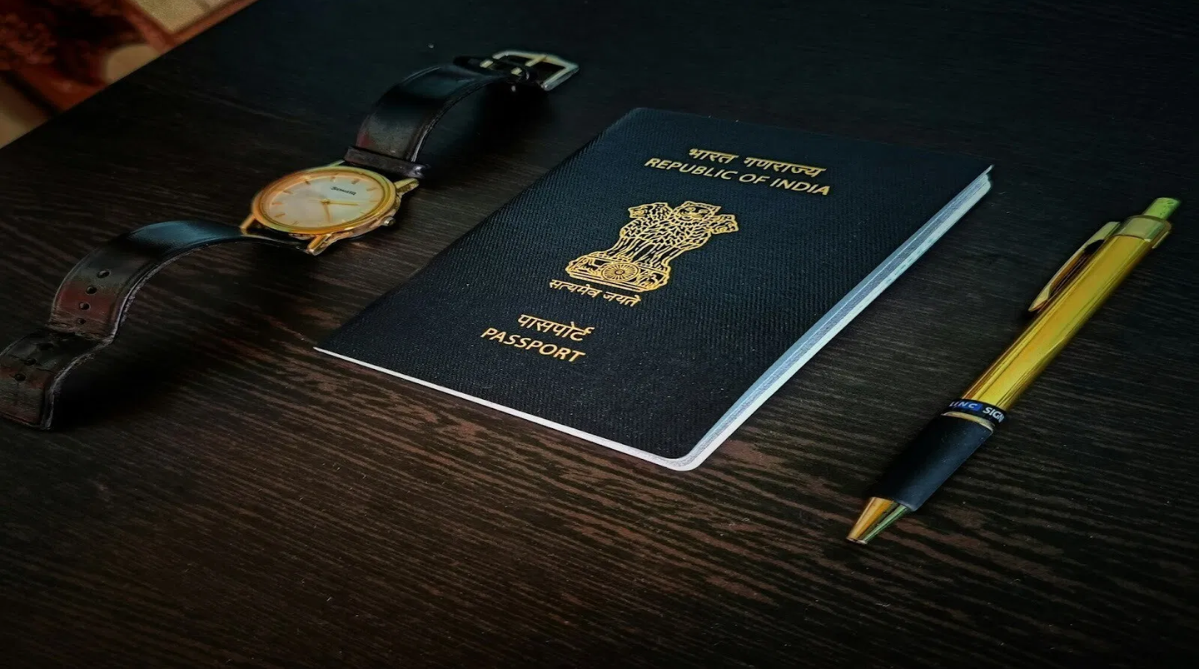
Indonesia uses a nationality-based entry system, meaning your passport determines the rules. Indian citizens aren't visa-free, but you can get an easy arrival-based visa through VoA or e-VoA.
That's why most trips don't require months of planning. You just need to pick the right option and show up prepared.
Passport Rules for Entry
This is the one area where "close enough" is not a strategy.
Your Indian passport must be valid for at least six months from your arrival date. Airlines often check this before boarding, and immigration officers can check again upon arrival.
You'll also want to make sure you have blank pages available. Stamps still matter, especially if you're getting a visa at the airport.
Before you book anything significant, do a quick flip-through of your passport at home. It's a 30-second check that can save you a costly lesson later.
Visa Options for Indians Visiting Indonesia
For most Indian travelers, you'll choose between two options that cover the same trip type: VoA and e-VoA.
Visa on Arrival (VoA)
If you're visiting Indonesia for tourism, the Visa on Arrival is the simplest, most common route.
You arrive at an approved entry point, pay the fee, get the visa, and then head to immigration. It's designed for short leisure trips, not paperwork marathons.
VoA works at major international airports and seaports, including popular routes through Bali and Jakarta.
Stay period: Up to 30 days, with the option to extend once for another 30 days if you decide that leaving paradise can wait.
Electronic Visa on Arrival (e-VoA)
The e-VoA is the same visa, just with a head start.
You apply online before you fly, and once approved, it's linked to your passport digitally. When you land, immigration can see it, and you skip the visa payment counter.
If you like fewer surprises, fewer queues, and fewer “where do I go now?” moments after a long flight, e-VoA is usually the calmer choice.
Stay period and extension rules: Same as VoA. Up to 30 days, extend once for another 30 days.
Other Visa Types (If Staying Longer or Traveling for Another Purpose)
If you’re planning to stay longer than 60 days total, or you’re traveling for reasons beyond tourism, a VoA and e-VoA won’t be enough.
Indonesia has other visa categories for more extended stays, business activities, social visits, and specific purposes. These usually require planning and applying through official channels before departure.
If your trip involves work meetings, multiple entries, or a longer, slower-travel plan, this is the part where you slow down and choose carefully. A mismatched visa can cause issues at immigration, even if your intentions are entirely harmless.
Step-by-Step: How to Get an Indonesian Visa on Arrival
This is the quick guide you'll actually use.
What You Need Before You Go
Before you even think about visa steps, make sure you've got the basics locked in:
- A passport valid for at least six months from arrival
- Blank passport pages
- A return or onward ticket you can easily pull up on your phone
- A payment method that works internationally, if you're paying on arrival
That onward ticket detail matters more than people expect. Immigration is usually just checking that you're visiting temporarily, not testing your luck.
Option 1: Apply for e-VoA Online
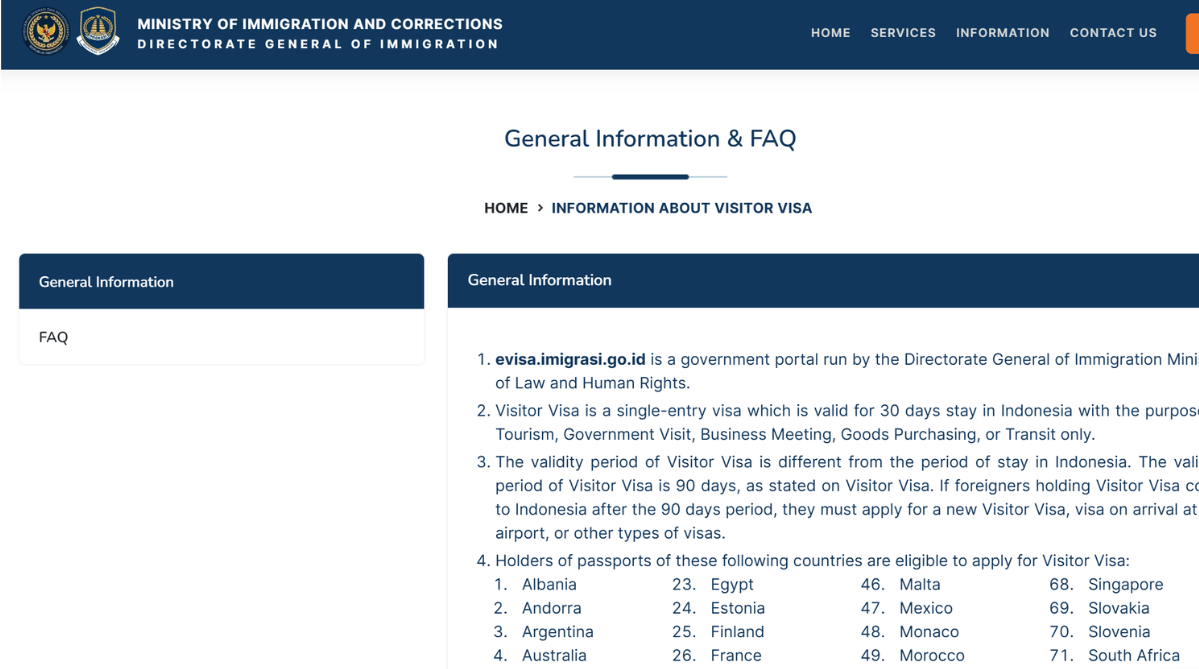
If you want the smoother airport experience, e-VoA is the move.
The process is digital and fairly straightforward as long as your documents are ready. Typically, you'll:
1.) Fill in your travel details.
2.) Upload a passport scan and a photo.
3.) Pay the fee online.
4.) Save your confirmation so you can access it anytime.
Even if processing is fast, apply a few days ahead so you're not doing it in a rush while packing.
And yes, save a copy offline. Because airports love choosing the exact moment you need a QR code to become a dead zone.
Option 2: Get VoA on Arrival
If you're okay handling things after landing, VoA on arrival is still very doable.
At the airport or seaport, you'll follow signs for visa processing, pay the fee, then head to immigration.
It's simple, but queues can build during peak travel hours. If you're arriving at a busy time, e-VoA can save you time and patience.
Extending Your Visa in Indonesia
If 30 days turns into “we're not ready to leave yet," you can extend VoA or e-VoA once for another 30 days.
Extensions are handled inside Indonesia through local immigration offices. It’s not automatic, and it can take time, so start the process before your initial stay runs out.
Think of visa dates as hard edges, not flexible suggestions. If you want more time, extend properly and stay stress-free.
Costs and Duration
Visa Fees (What to Expect)
For Indian travelers, Indonesia keeps visa costs refreshingly predictable.
The Visa on Arrival and e-VoA have a set fee. In some cases, you might see small differences due to payment handling, currency conversion, or card processing, depending on where you pay, but the visa itself is not meant to be a mystery charge.
One practical tip: make sure your card works for international payments if you're paying at the airport. The only thing worse than a long flight is standing at a counter while your payment refuses to cooperate.
How Long You Can Stay
Both VoA and e-VoA give you up to 30 days in Indonesia.
That’s perfect for a classic itinerary: a couple of cities, a little beach time, a few day trips, and the inevitable "we should stay one more day" moment.
If your plans stretch, you can extend once for another 30 days, bringing you to up to 60 days total.
If you already know you want longer than that, it's smarter to look into a visa category designed for longer stays rather than trying to force a short-stay visa to do a long-stay job.
Arrival Forms and Entry Requirements Indians Often Miss
Here’s the part that causes the most airport stress, not because it’s difficult, but because people skip it and assume they'll "figure it out later."
Indonesia may require travelers to complete online arrival-related forms, including an arrival declaration process. Requirements can change, so it's worth checking the official government sources close to your travel date.
You may also be asked for customs-related declarations and, depending on current rules, health-related travel information.
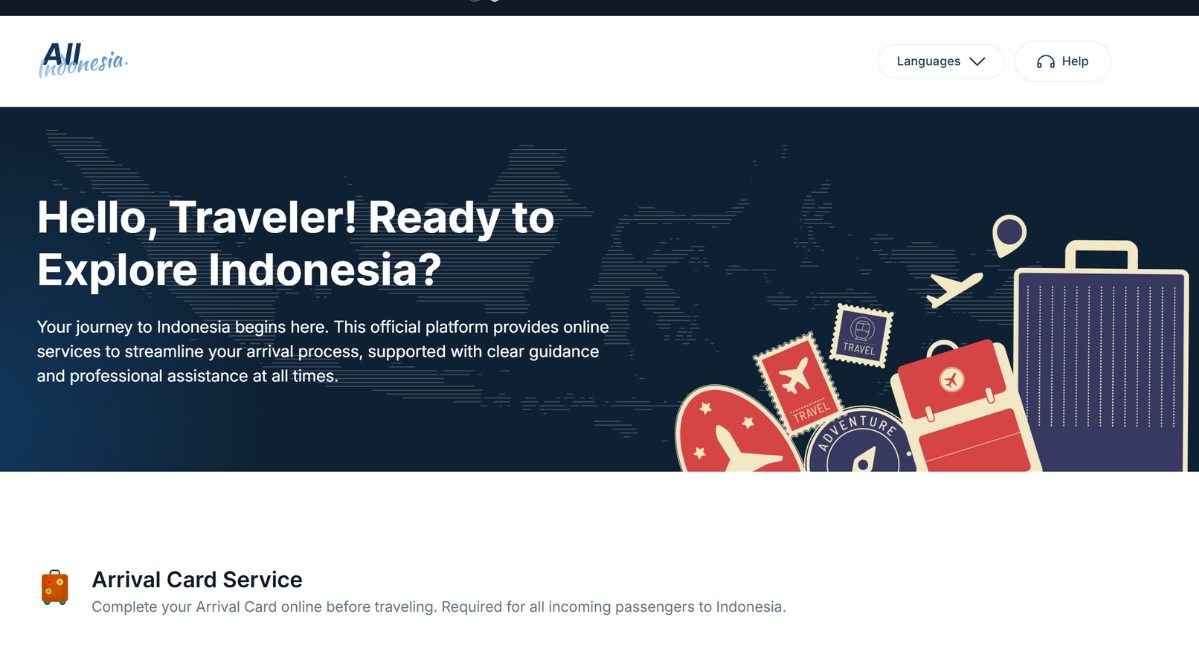
This is where connectivity becomes your quiet superpower. If you can pull up forms, confirmations, and QR codes instantly, arrival feels like a formality instead of a scavenger hunt.
If you’re flying into Bali, you may also run into extra local travel requirements that are specific to Bali rather than Indonesia as a whole. It’s a small detail, but it’s exactly the kind of detail that’s annoying to learn in a queue.
Entry Checklist for Indian Travelers
Before you head to the airport, run through this. Indonesia's entry rules aren't complicated, but missing one small detail can slow things down fast.
Indonesia Entry Checklist
- Passport validity: At least six months from your arrival date, with blank pages available.
- Visa confirmation: Know your plan. Approved e-VoA, VoA on arrival, or another visa type that matches your trip.
- Return or onward ticket: Keep it ready on your phone.
- Arrival-related forms: Complete any required online declarations ahead of time when possible. Submit here.
- Routine immigration questions: Be ready to confirm how long you're staying and why you're visiting.
Once you've checked all of this off, you're in good shape. When your documents line up, and your expectations are clear, arriving in Indonesia feels like the start of the trip, not an obstacle course.
Indonesia Entry Rules You Should Know (So Immigration Stays Easy)
Indonesia's entry rules aren't tricky, but they are enforced.
Passport validity is the big one. If your passport doesn't meet the six-month requirement on the day you arrive, you can be denied entry. Airlines know this too, so the problem can start before you even get on the plane.
Immigration officers also have discretion at the border. That doesn't mean they're looking to cause trouble. It just means they can ask questions, verify documents, and confirm your visa matches your travel purpose. A calm attitude, clear answers, and clean paperwork go a long way.
Overstays Are Not a "Maybe It'll Be Fine" Situation
Overstaying is where things get serious.
Even short overstays can lead to fines, and longer overstays can cause bigger problems, including future entry restrictions.
If you want more time, extend your visa properly or switch to a longer-term visa category. It's far easier than trying to fix it after the fact.
Ready for Indonesia, Without the Guesswork
Yes, you need a visa. But for most tourism trips, VoA or e-VoA covers everything.
You get up to 30 days, the option to extend if plans stretch, and clear entry rules as long as your passport is valid and your documents line up.
The last piece people underestimate is connectivity. From pulling up your e-VoA confirmation to completing arrival forms and booking transport after landing, being online matters immediately.
That’s why we recommend setting up an Indonesia eSIM before you fly, or choosing an Asia regional eSIM if Indonesia is one stop in a bigger trip.
When you’re connected the moment you land, you can pull up what you need, move through arrivals smoothly, and start focusing on the fun part: actually being in Indonesia.
Visa handled. Connection ready. Stress level dramatically lower.
FAQs: Do Indians Need a Visa for Indonesia? Travel & Entry Requirements
1.) Can Indian travelers go to Indonesia without a visa?
No, Indian passport holders cannot enter Indonesia completely visa-free. A visa is required, but most travelers use the Visa on Arrival or e-VoA, which keeps things fairly painless for short tourist trips.
2.) How do I get an Indonesian visa from India?
You have two main routes for tourism. You can apply online for an e-VoA before traveling, or you can get a Visa on Arrival when you land in Indonesia. If you’re planning a longer stay or traveling for a non-tourism purpose, you’ll need a different visa type that’s arranged before departure.
3.) Is there a separate Jakarta visa for Indian citizens?
No. There isn't a separate visa just for Jakarta. Indian citizens use the same Indonesian visa options whether they’re flying into Jakarta, Bali, or another approved entry point. What matters is the visa type, not the city.
4.) Do I need a passport for Indonesia from India?
Yes, a valid Indian passport is mandatory for entry into Indonesia. It must be valid for at least six months from your arrival date and have blank pages available. Without that, no visa option will work.