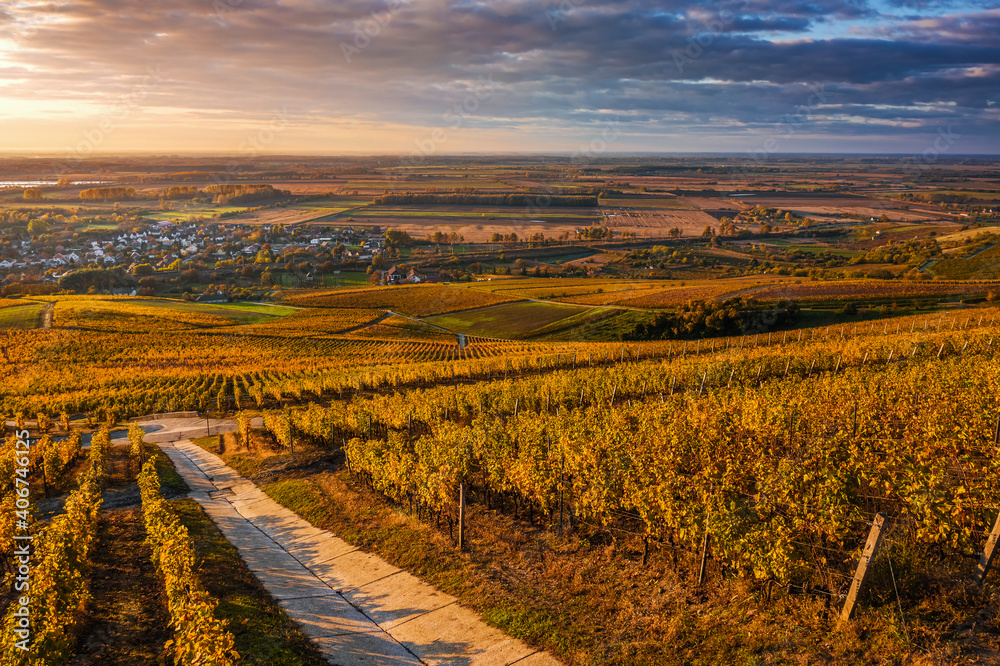

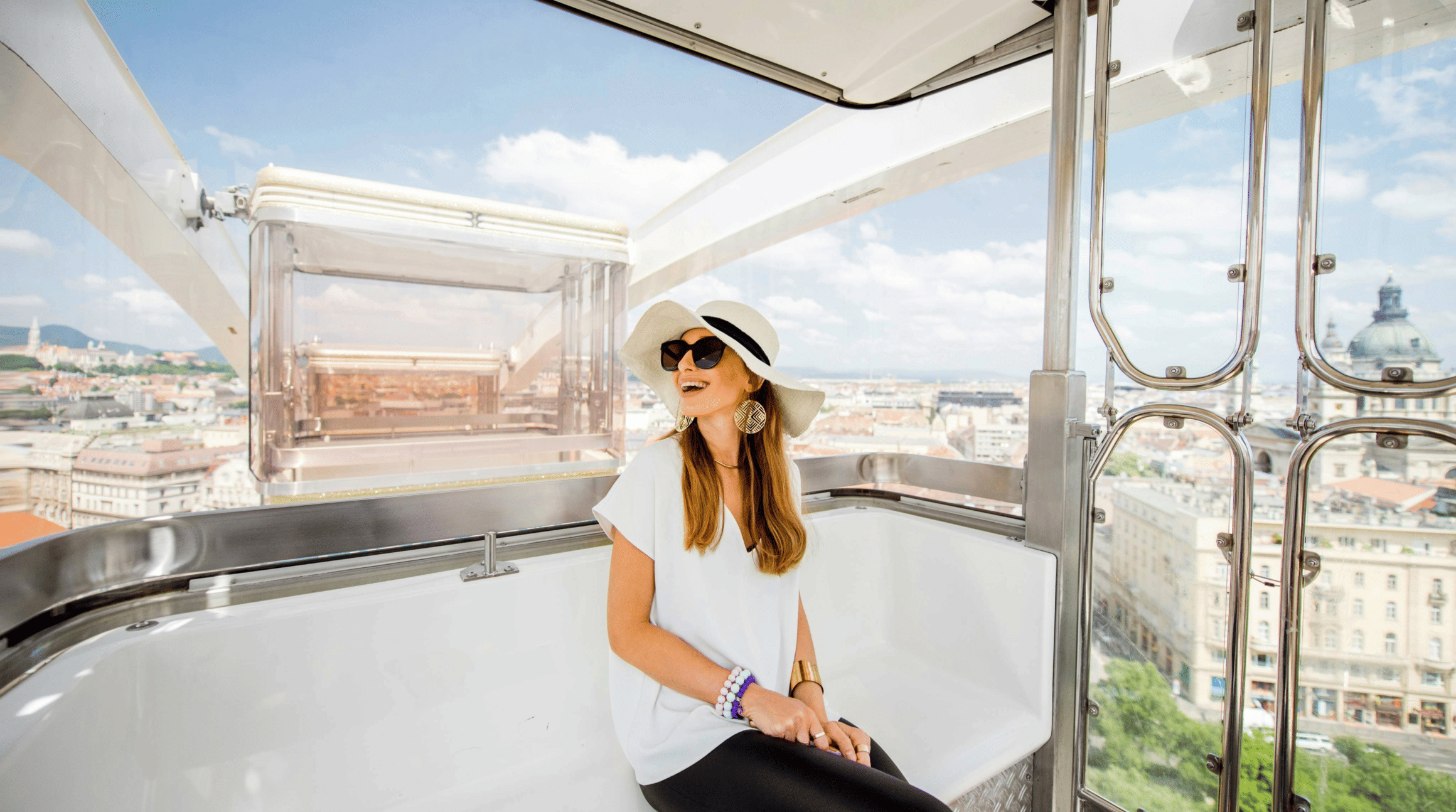
When you think of Hungary, paprika, thermal spas and elaborate architecture might come to mind. But there's so much more beneath the surface. From strange superstitions to world-changing inventions, Hungary delivers plenty of surprises.
On your next trip to this Central European gem, take along these 33 interesting facts about Hungary to give you plenty to think about. And don't forget to sort your Hungary eSIM so you can keep discovering as you go.
Top travel Tip: Grabbing a Hungary eSIM makes it easy to get online as soon as you land. No looking for local SIM cards or worrying about roaming fees, just instant data for your trip. Browse affordable data for Hungary here.
Fun and Cultural Facts About Hungary
Let's kick off with some facts about Hungary's culture, which blends deep-rooted customs with modern European influences.
1. Budapest is Crowned 'the Queen of the Danube'
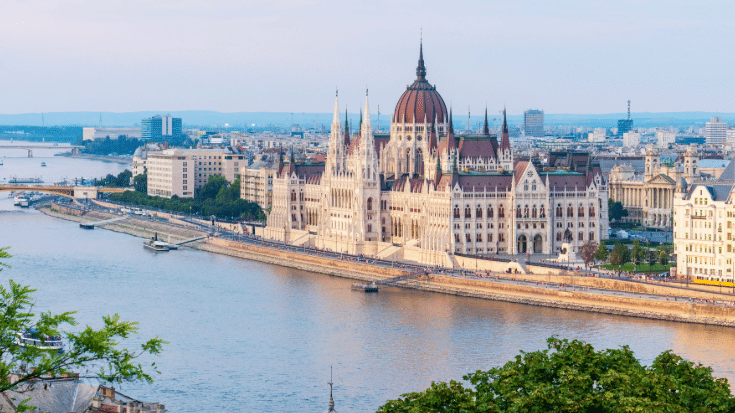
Budapest's skyline from the Buda side of the Danube is a sight visitors shouldn't miss. Unsplash / Ervin Lukacs
Hungary's incredible capital, Budapest, earned this royal nickname thanks to its stunning riverside architecture and bridges decorating the Danube River. It truly is one of Europe's most beautiful capital cities.
2. Budapest Was Once Two Cities
The cities of Buda and Pest sat on opposite sides of the Danube until 1873, when they merged to form Budapest. Today, visitors can easily flit between the hilly old town of Buda and the flat, bustling Pest.
3. It Has Continental Europe's Oldest Metro Line
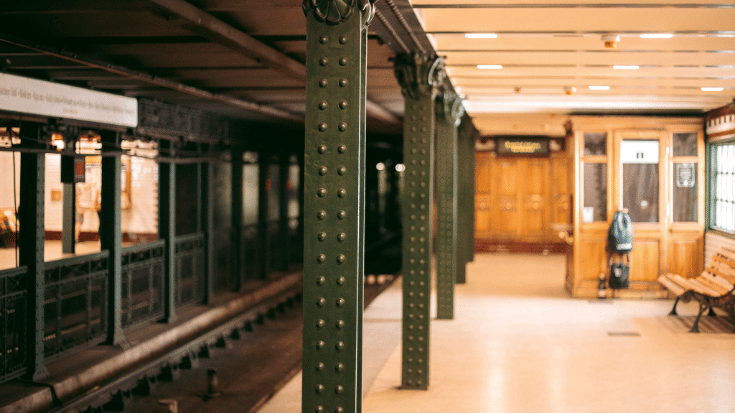
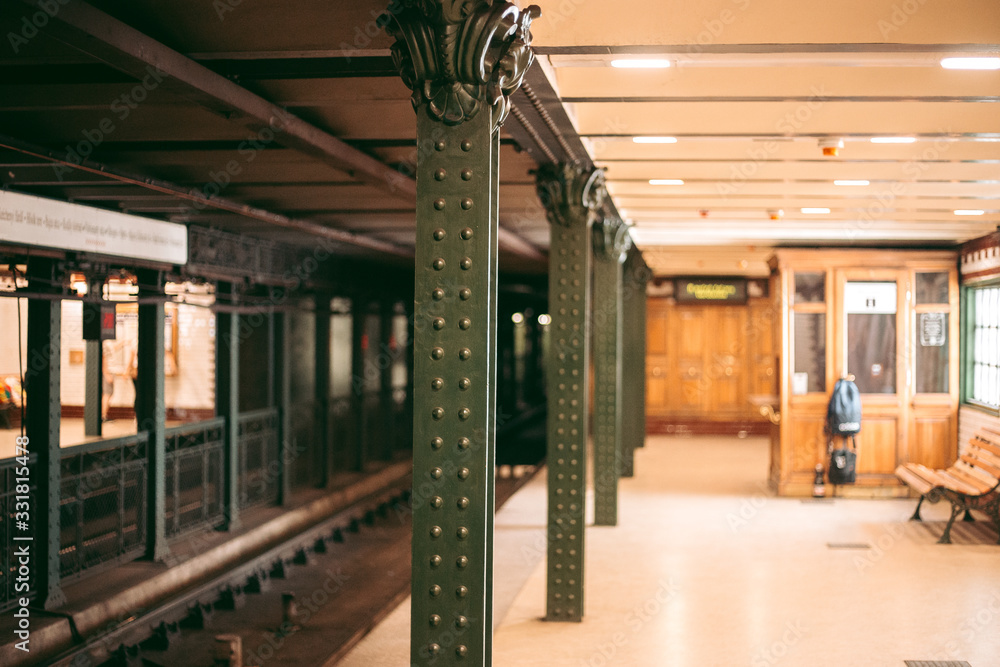
Budapest's historic M1 has that vintage old-school aesthetic. / Adobe Free Stock / Hennadii
Budapest’s Metro Line M1, known as the Millennium Underground, opened in 1896 and was the first electric underground railway in continental Europe. Built for Hungary's 1,000th anniversary, it still runs beneath Andrássy Avenue today. It connects landmarks like Vörösmarty tér, the Hungarian State Opera House, and Heroes' Square, making it a popular route for tourists. It was declared a UNESCO World Heritage Site in 2002.
4. A Hungarian Invented the Rubik's Cube
Hungarian architect Ernő Rubik invented the Rubik's Cube in 1974 while trying to explain 3D movement to his students. He didn't even realise it was a puzzle until he scrambled it and couldn't solve it again. Originally called the magic cube, it went on to become the world's best-selling puzzle toy and a global pop culture icon.
5. Lángos Is Hungary's Ultimate Street Food
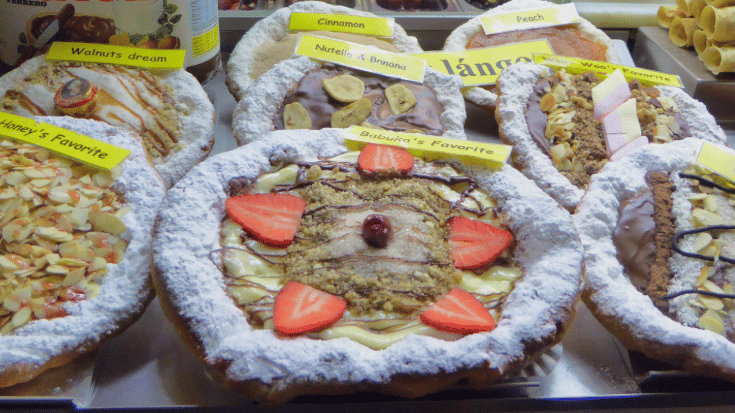
You'll find sweet and savoury Lángos all over Hungary, such as these examples sold at Budapest's Great Market Hall. / Image owned by author
Lángos originally came from bread dough baked near the flame of brick ovens, and its name even refers to that fiery cooking method (láng = flame). Over time, it evolved into the deep-fried version Hungarians love today. This crispy flatbread is typically topped with sour cream and cheese, and you’ll find it at markets, festivals, and lakeside stalls across the country.
6. The Hungarian Language is Truly Unique
Hungarian (Magyar) is part of the Uralic language family, specifically the Finno-Ugric branch. It’s unrelated to most European languages, so if you speak English, French, or German, Hungarian won't give you many clues.
7. Hungary Has 16 Nobel Prize Winners
Hungary has won 16 Nobel Prizes, which is remarkable for a country of under 10 million people. In the past three years alone, three Hungarians have taken home the awards: two in 2023 (Katalin Karikó and Ferenc Krausz) and one in 2025 (László Krasznahorkai).
8. Goulash is Hungary's National Dish
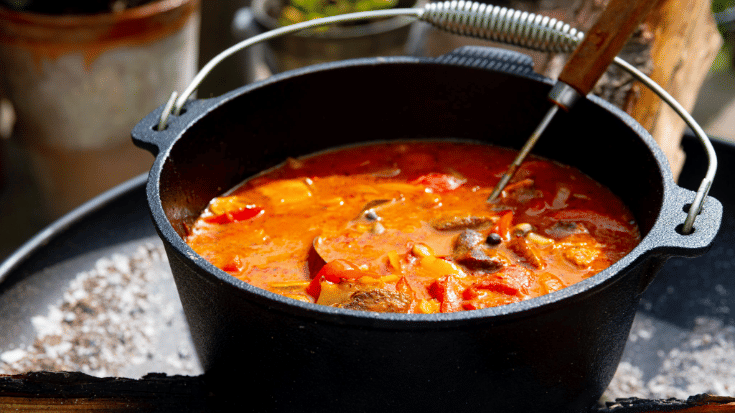
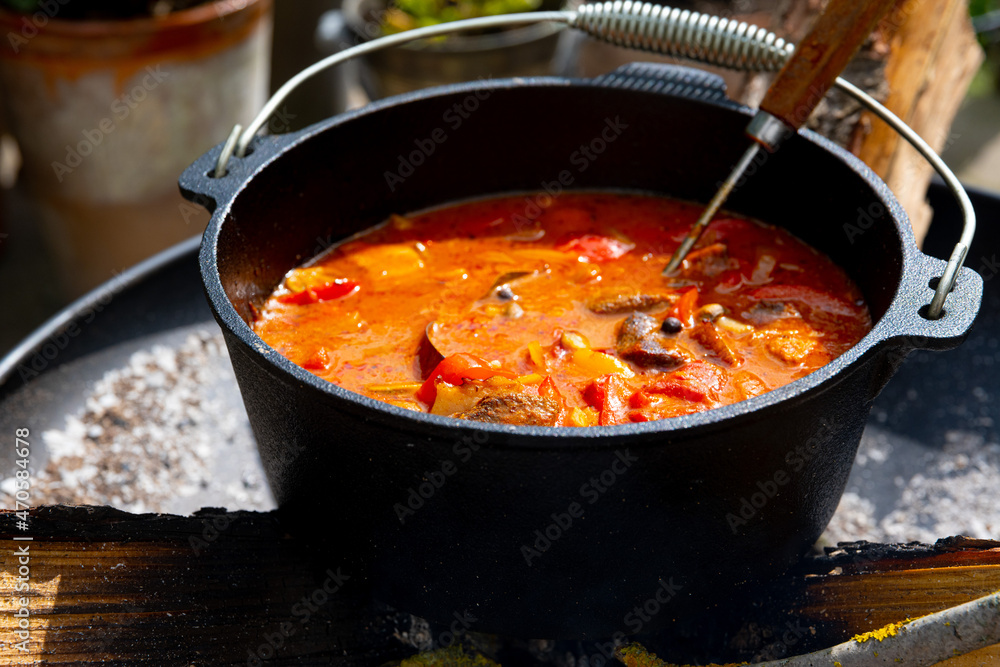
Rich, smoky goulash cooked the traditional way, low and slow in a cauldron and loaded with paprika, peppers and tender beef. / Adobe Free Stock / Dar1930
This hearty Hungarian stew combines beef, vegetables, and lots of paprika. Hungarians call it gulyás, and it's traditionally cooked in a cauldron over an open fire. Some of the top spots to try it in Budapest include Hungarikum Bisztró, Gettó Gulyás, and Menza Étterem.
9. Holography was Invented by a Hungarian
Hungarian physicist Dennis Gábor developed holography in 1947, laying the foundations for modern 3D imaging. His breakthrough earned him the 1971 Nobel Prize in Physics and continues to influence everything from medical imaging to data storage.
10. Sziget Festival is One of Europe's Biggest Music Events
Sziget Festival is a week-long music and cultural festival that takes over an island in the Danube every August. It attracts over 400,000 visitors each year, with a lineup that spans every genre imaginable.
Insider info: Check out our full guide to Sziget Festival for tips on tickets, stages, and what to expect when you hit this epic event.
11. Ruin Bars Turned Derelict Buildings Into Cultural Hubs
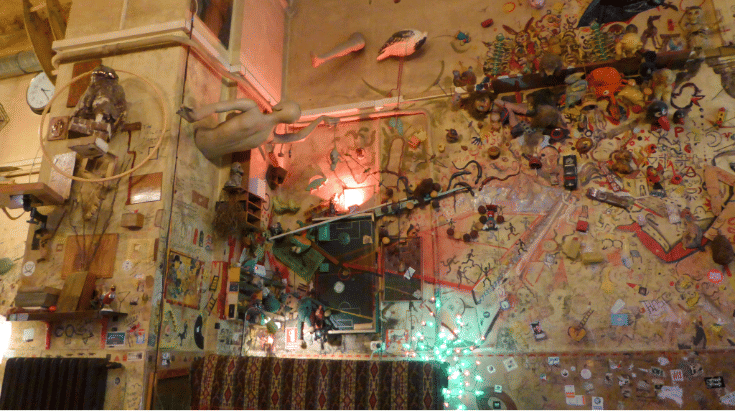
An example of the decor you might find inside a typical ruin bar, from my personal favourite Csendes Létterem. / Image owned by author
Following World War II and the communist era, many buildings in Budapest's historic Jewish Quarter were neglected and partly ruined. In the early 2000s, locals began reclaiming these abandoned spaces, turning them into bars filled with eclectic furniture, DIY art, and a laid-back, alternative vibe. These ruin bars quickly became a cultural movement. Today, Szimpla Kert is the most famous example and a must-see when visiting Budapest.
12. The Ballpoint Pen Came From Hungary
Hungarian inventor László Bíró created the modern ballpoint pen in 1938 after getting frustrated with fountain pens that smudged and leaked. His simple, reliable design transformed everyday writing and became the basis of the biro we use worldwide today.
Weird and Wonderful Facts About Hungary
13. Clink Beer Glasses in Hungary With Caution
A long-standing tradition says Hungarians avoided clinking beer glasses after the 1848–49 revolution, when Austrian officers reportedly toasted their defeat. Although historians note the story isn't fully verified, the custom stuck for generations. Even today, some Hungarians still avoid clinking beer when making a toast.
14. Lake Balaton Freezes into a Giant Skating Rink
Hungary's Lake Balaton, Central Europe's largest lake, can freeze over during especially cold winters. When it does, locals skate, ice-sail and enjoy the dramatic frozen landscape around towns like Siófok and Balatonfüred. Full freezing is less common today, but when it happens it becomes a winter spectacle.
15. Hévíz is the World's Largest Swimmable Thermal Lake
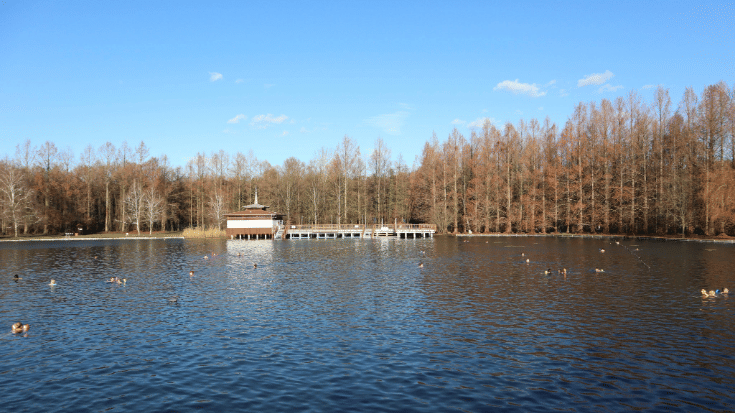
Visitors soaking in the naturally heated waters of Lake Hévíz, the world's largest swimmable thermal lake. / Unsplash / Balint Miko
Lake Hévíz, near the town of Keszthely in western Hungary, is a natural hot spring lake that stays warm year-round, usually between 24°C and 36°C. It's the world's largest thermal lake suitable for bathing. Visitors can float among lily pads while steam rises from the surface, even in winter.
16. The Busójárás Festival Features Scary Masks and Noisemakers
Each February, the town of Mohács hosts Busójárás, a centuries-old celebration marking the end of winter. Locals wear carved wooden masks, sheepskin outfits and cowbells as they parade through the streets, making as much noise as possible. The tradition blends folk customs with carnival energy.
17. Paprika Is King in Hungarian Cuisine
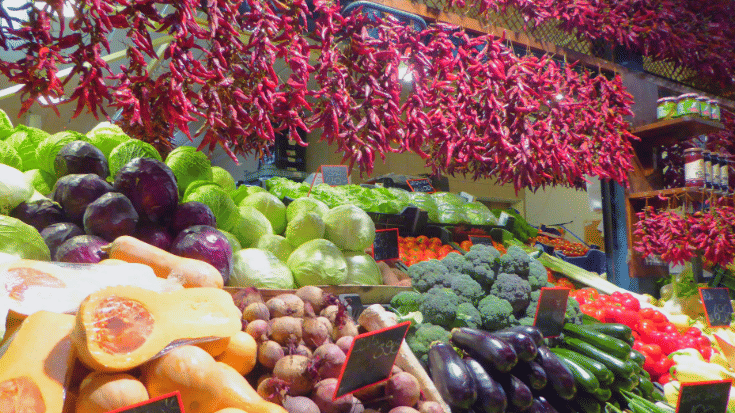
Paprika peppers drying in Budapest's Great Market Hall, a reminder of how essential this spice is in Hungarian cuisine. / Image owned by author
Paprika is a cornerstone of Hungarian cooking and appears in many classic dishes, from goulash to paprikash. Hungary grows several varieties ranging from sweet to hot, especially in regions like Kalocsa. There's even a Paprika Museum dedicated to its history and cultivation.
18. Budapest Has a Former Secret Hospital Carved Into a Cave
Beneath Buda Castle lies the Hospital in the Rock, a former emergency hospital and later a Cold War nuclear bunker. Hidden in a network of natural caves, it once treated wounded soldiers and civilians in complete secrecy. Today, it's a museum preserving equipment, tunnels and wartime scenes.
19. Tiny Quirky Statues Pop Up All Over Budapest
Budapest is full of small statues that surprise visitors as they explore the city. Highlights include the policeman on Zrínyi Street and the little princess sitting on the riverside rail. Many of the mini bronze figures hidden around the city were made by the sculptor Mihály Kolodko.
20. Eger Has a Wine-Cave Network Underground
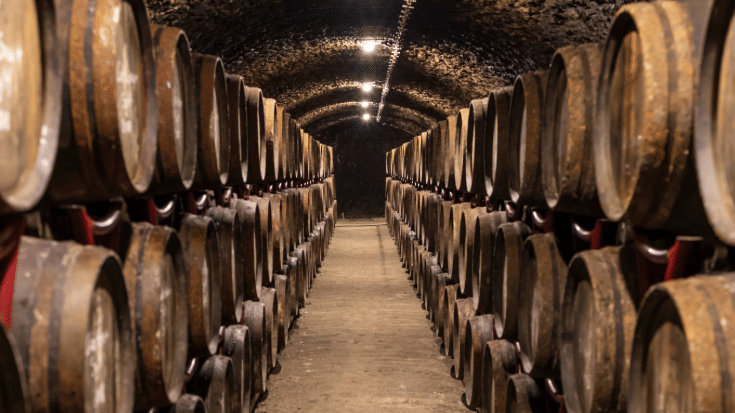
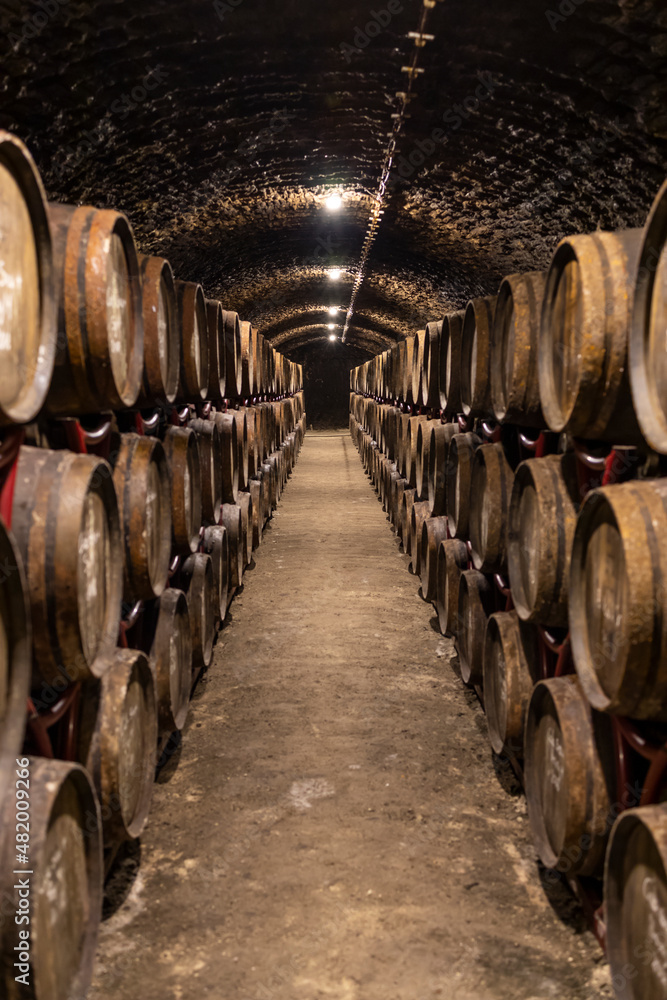
Eger cellar, where the red wine Egri Bikavér matures in oak barrels. Adobe Free Stock / Richard Semik
The northern town of Eger is famous for its labyrinth of wine cellars carved into the hillsides. These underground passages store the region's red wine, known as 'Bull's Blood', in cool, stable conditions. Visitors can tour the caves and sample wine straight from the barrel.
21. Hungarian Has Exceptionally Long Words
Hungarian is an agglutinative language, allowing long compound words with many suffixes. A famous example is megszentségteleníthetetlenségeskedéseitekért, a 44-letter term meaning something like "for your behaviour as though you could not be desecrated."
22. Vampires and Magic Run Through Hungarian Folklore
Before the borders shifted after World War I, parts of present-day Transylvania were part of the Kingdom of Hungary. The region's folklore is filled with tales of spirits, witches and blood-drinking creatures. These stories helped shape the mystical atmosphere that later inspired vampire fiction.
23. Hungary Has Over 1,300 Thermal Springs
More than 1,300 thermal springs flow across Hungary, giving it one of Europe's richest bathing cultures. Romans, Ottomans and modern visitors have all soaked in these mineral-rich waters. Today, thermal baths range from historic Turkish-style domes to modern spa complexes.
24. Budapest is Home to an Open-Air Museum Filled With Communist Monuments
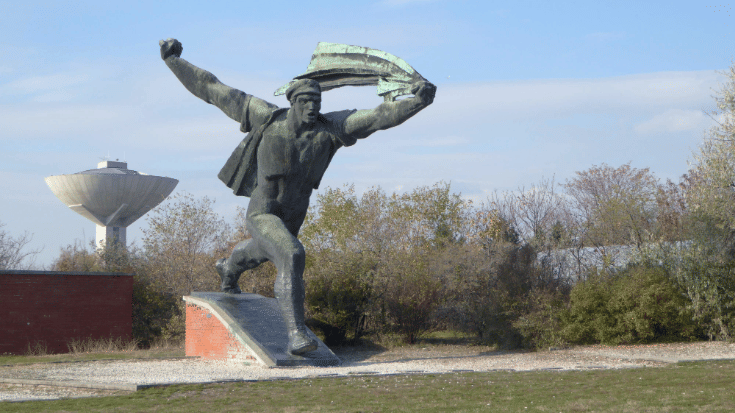
One of Memento Park's towering Soviet-era statues, preserved as a reminder of Hungary's communist past. / Image owned by author
After the fall of communism, Budapest gathered many of its Soviet-era statues and created the open-air museum Memento Park on the city's outskirts. The park's architect, Ákos Eleőd, added features such as long, endless paths and tall brick walls as a comment on the nature of dictatorships. Visitors can wander among giant statues in the Socialist Realism style; a must-see for anyone keen to understand the city's history.
25. Hungary Is Known for Its Brooding, Powerful Eurovision Entries
In the 2000s and 2010s, Hungary gained a reputation for sending emotional, intense songs to Eurovision. Acts like András Kállay-Saunders (2014) and AWS (2018), who performed screaming metal on the Eurovision stage, made Hungary one of the contest’s most unpredictable countries.
Historical and Geographical Facts
26. The Magyars Founded Hungary Over 1,100 Years Ago
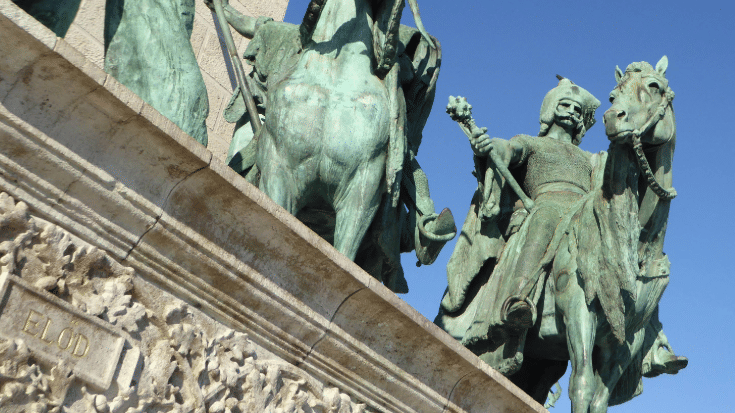
Statues of the Magyar chieftains at Heroes' Square, honouring the leaders who founded Hungary over 1,100 years ago. / Image owned by author
Magyar tribes entered the Carpathian Basin around 895–896 AD, led by Grand Prince Árpád. This event, known as the Hungarian Conquest, laid the foundation for the state. Modern Hungary was officially established in 1000 AD when Stephen I was crowned the first king.
27. Hungary Has One of Europe's Largest Parliament Buildings
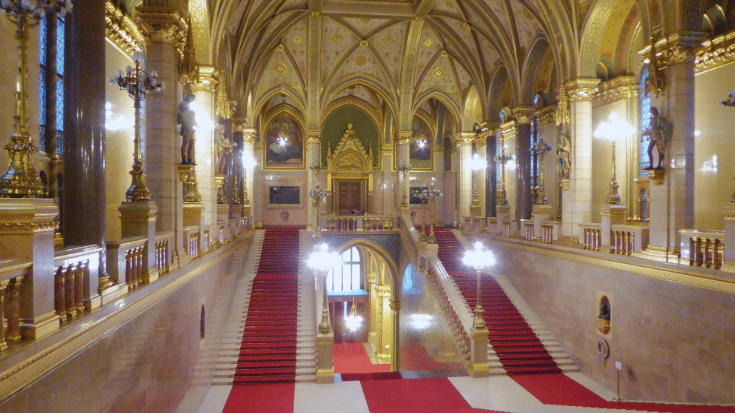
Budapest's parliament building is just as lavish and decorated inside as it is outside. / Image owned by author
The Hungarian Parliament Building on the Danube is one of Europe's biggest legislative buildings. Built in Gothic Revival style, it contains 691 rooms, 10 courtyards and nearly 20 kilometres of corridors and staircases. It's an architectural centrepiece of Budapest and a major landmark along the river.
28. The Chain Bridge Was the First to Connect Buda and Pest
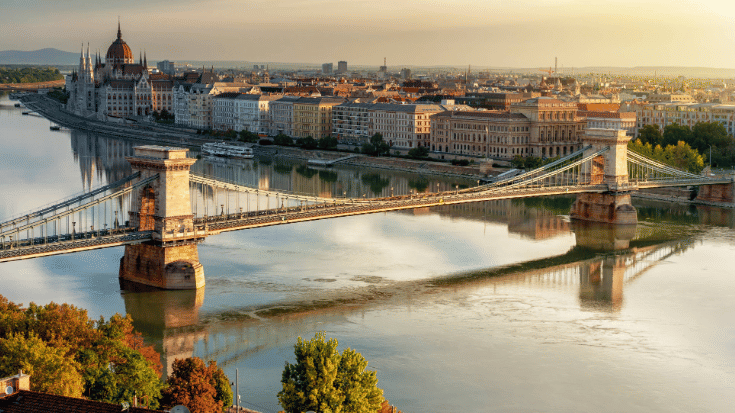
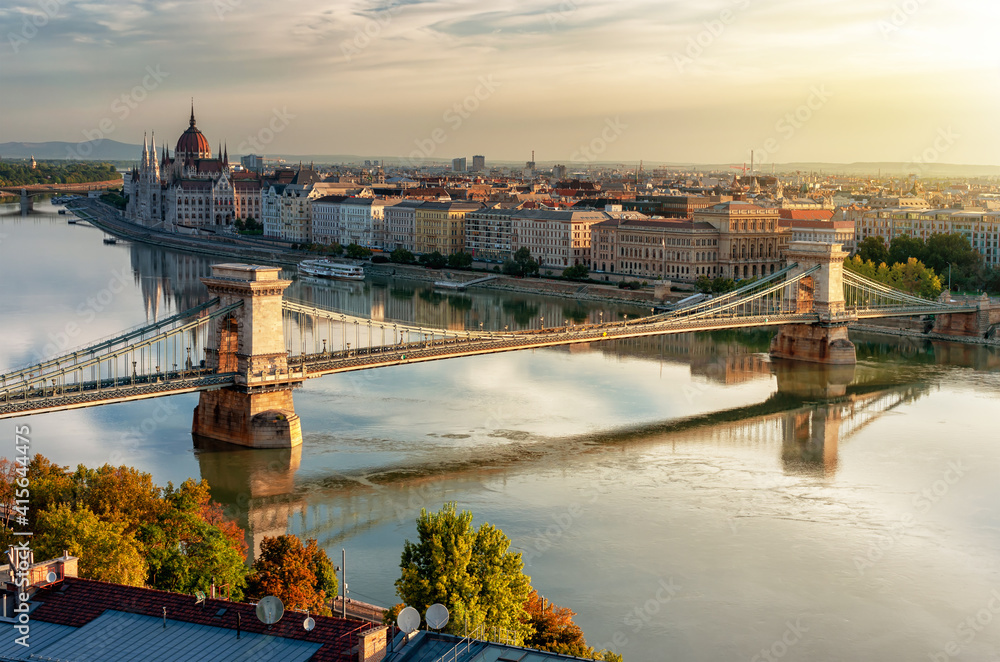
Budapest's oldest permanent bridge, the Chain Bridge, takes its name from the iron chains that support its structure. / Adobe Free Stock / waku
Opened in 1849, the Chain Bridge was the first permanent bridge linking Buda and Pest across the Danube. Designed by British engineer William Tierney Clark, it transformed transport between the two sides. Despite wartime damage and several reconstructions, it remains one of Budapest's most recognisable landmarks.
29. The Pannonian Basin Shapes Hungary's Landscape
Hungary lies almost entirely within the Pannonian Basin, a vast low-lying area surrounded by the Carpathian Mountains. This geography gives the country its mainly flat terrain and wide-open horizons. The Great Hungarian Plain stretches across much of the east.
30. Tokaji Wine Earned the Title "the Wine of Kings”
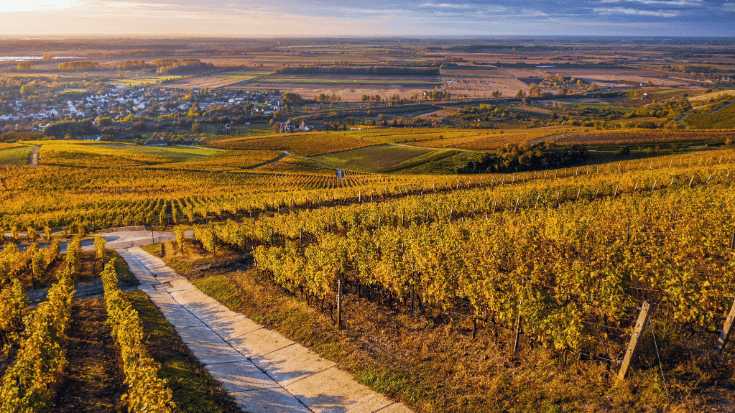
The vineyards of the Tokaj wine region, where Hungary's renowned Tokaji Aszú is produced, with the town of Tokaj beyond. / Adobe Free Stock / zgphotography
Tokaji Aszú, produced in northeastern Hungary, is one of the world's oldest sweet wines. France's Louis XIV is famously associated with calling it "the Wine of Kings, the King of Wines." Its distinctive character comes from volcanic soils and botrytised grapes that create its natural sweetness.
31. Hungary Has Multiple UNESCO World Heritage Sites
Hungary's UNESCO sites include the Old Village of Hollókő, the Caves of Aggtelek Karst, and Budapest’s Banks of the Danube with the Buda Castle District. The city of Pécs is recognised for its early Christian tombs, and the Tokaj Wine Region is protected for its historic viticulture.
32. Lake Balaton Is Dubbed 'Hungary's Sea'
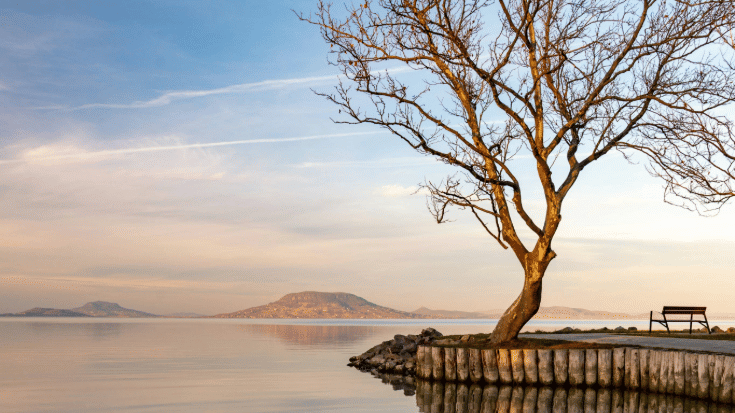
Lake Balaton is one of Hungary's top outdoor destinations, popular with swimmers, sailors and nature lovers. / Unsplash / Tibor Gyimesi
Stretching nearly 80 kilometres, Lake Balaton is the largest lake in Central Europe. Its warm, shallow waters make it a classic summer destination. Families head to resorts in Siófok, Balatonfüred and Tihany for swimming, sailing and lakeside restaurants.
33. The Great Plain Has Its Own Cowboy Culture
The puszta grasslands of the Great Hungarian Plain were once home to mounted herdsmen known as csikós. Skilled riders in traditional blue clothing, they herded livestock across the open steppe. Visitors can still watch horsemanship displays today in Hortobágy National Park, Hungary's oldest national park.
Things To Know Before Going to Hungary
- Hungary uses the Hungarian Forint (HUF), not the euro.
- Cash is handy for smaller shops and markets.
- You'll find Type F plugs with two round pins.
- Tipping around 10% is standard in restaurants.
- Budapest has excellent public transport. Buy a travel card for unlimited metro, tram, and bus rides.
- Locals value punctuality and quiet on public transport.
- Many people in Budapest speak English, especially in restaurants, hotels and tourist areas. So most visitors don’t face major language barriers.
Stay Connected While You Explore Hungary
Whether you're soaking in Széchenyi Thermal Baths, exploring ruin pubs, or hiking the Danube Bend, reliable mobile data will make your trip to Hungary as smooth as possible.
With a Hungary eSIM from Airalo, you don't need physical SIM cards or free Wi-Fi to get online. With an eSIM, you'll be able to access your bookings, maps, translation apps, and restaurant recommendations without a second thought.
Ready to stay connected? Head to the Airalo store, pick your preferred Hungary data package, download your eSIM, and enjoy instant connectivity on the move.
FAQs: Hungary Travel and eSIMs
1.) What is Hungary famous for?
Thermal baths, paprika, inventing the Rubik's Cube and the ballpoint pen. Hungary also has 16 Nobel Prize winners, eight UNESCO World Heritage sites and the second-largest parliament building in Europe.
2.) What are some fun facts about Hungary?
Hungary is home to continental Europe's oldest metro line and more thermal springs than any other European country. Many Hungarians also refuse to clink beer glasses, and their language is unrelated to most European tongues.
3.) Is Hungary a cheap destination to visit?
Yes, food, accommodation, and attractions are typically less expensive than in Western Europe. You'll get good value whether you're staying in Budapest or exploring the countryside.
4.) Can I use an eSIM in Hungary?
Absolutely, Hungary eSIMs from Airalo provide flexible and affordable data plans for Hungary and Budapest trips. You don't need a physical SIM card; simply download, install, and get online the moment you land.
5.) What are the key things to know before going to Hungary?
Hungary uses the Hungarian Forint (HUF), tipping around 10% is standard, the average temperature in Budapest from June to August is 21°C and 0°C in winter. Plus, sort your data before you fly - with an eSIM Hungary is an easier place to navigate and experience.