


Image: DMAdventure / Unsplash
Salerno doesn't make it onto most Italy bucket lists. Often overshadowed by Naples and pretty towns on the Amalfi Coast, this southern Italian gem has spent decades waiting in the wings for its moment in the spotlight.
That moment just arrived. Direct UK flights landed in 2024, Positano's crowds have hit breaking point, and travellers are catching on. You get sandy beaches, exceptional pizza, and trains to Pompeii in 25 minutes for half what you'd pay in Sorrento. It's the Amalfi Coast's affordable, authentic alternative.
So is Salerno worth visiting? Yes. This guide covers what the city is like, how it compares to nearby hotspots, where to eat and what to do, and why it works as your base for exploring the region.
Stay online in Salerno: As it's an everyday working city rather than a polished resort, you won't find lightning-fast public Wi-Fi on every corner. Instead, rely on your own connection with an eSIM for Italy from Airalo. Enjoy 15% off your first eSIM for Italy by entering the code SALERNO15 at the checkout. Terms and conditions apply.
Where Is Salerno and Why Is It Trending?
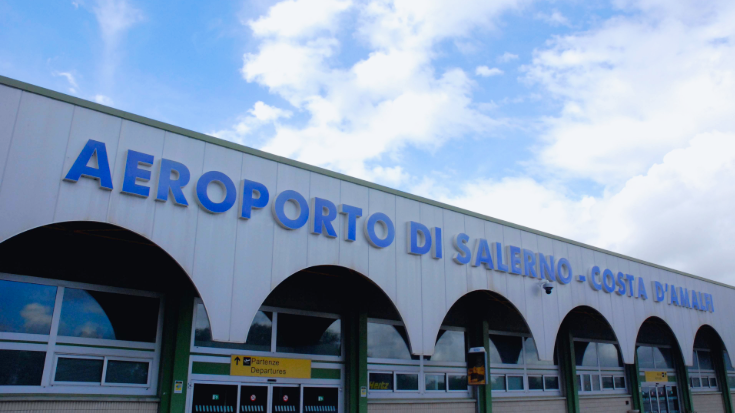
The refurbished Salerno Costa d'Amalfi Airport is a convenient gateway to the city and the Amalfi Coast.
Salerno is located in the Campania region, about 50km south of Naples and right at the gateway to the Amalfi Coast. If you're coming from the UK, here's the news: Salerno Costa d'Amalfi Airport reopened in 2024 with direct flights from the UK. What used to require a connection now takes under three hours. You can also fly into Naples and reach Salerno in 45 minutes by car or an hour by train.
But the airport is just one reason search interest is spiking. Three bigger shifts are happening:
- Overtourism fatigue: Overtourism causes places like Positano and Amalfi to feel suffocating during peak season. Travellers are searching for alternatives that have the same coastal beauty but where they don't have to deal with crowds or pay €8 for a coffee.
- Social media discovery: Reels and posts about “underrated Italian cities” and “how to find authentic Italy” are putting Salerno's beauty in the spotlight —but it hasn't been Instagrammed to death yet.
- The gateway strategy: Salerno is becoming popular as a base city. Smart travellers are realising that you don't need to stay in Positano to visit the Amalfi Coast. Accommodation here costs less than in most other towns directly on the Amalfi Coast, and the city offers the same ferry and bus access for more affordable rates.
The result? Salerno's popularity is growing, but it's not overrun. You can still walk the Lungomare without the dense crowds of Venice, Rome, Naples, and Sorrento.
Looking for more underrated Italian spots? Check out these things to do in Reggio Calabria, another city in southern Italy with a slower pace, affordable prices, and outstanding food and culture.
What Are the Best Things to Do in Salerno?
Life in Salerno has a low-key, authentic pace, but that doesn't mean there's a lack of things to do here. Some of the best hours you'll spend in the city will involve wandering the medieval quarter and seeing what you find along the way. From the 1,000-year-old Salerno Cathedral to climbing up to Castello di Arechi for the views — here's what to see and do in Salerno, Italy.
Salerno's Top Attractions
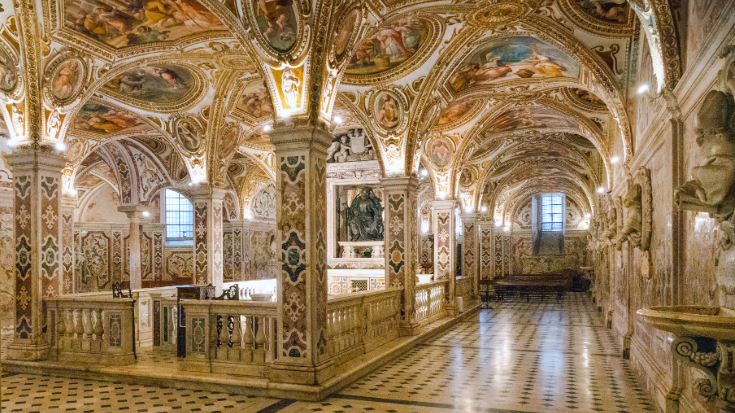
The Crypt of Saint Matthew, an 11th-century masterpiece of Baroque frescoes and marble, is ready to be explored inside Salerno Cathedral.
- Follow Via dei Mercanti through the medieval quarter and browse the daily open-air market at Piazza San Francesco. The storecupboard of the city, this is where residents buy fresh produce, fish, and cheese every morning.
- Salerno Cathedral (full Italian name: Cattedrale Primaziale Metropolitana di Santa Maria degli Angeli, San Matteo e San Gregorio VII) dates back nearly 1,000 years and sits in the heart of the old town.
- Perched 300 metres above sea level, Castello di Arechi is a medieval fortress with the best view of the Gulf of Salerno. It's a steep climb (or a short bus ride), but the panorama of the Tyrrhenian Sea from the castle’s free-access terrace is unbeatable. You don't need an entrance ticket to enjoy these knockout views.
Salerno's Top Events
- Fair of the Crucifix and Medieval Festival (April/May): Salerno's Fiera del Crocifisso Ritrovato is a vivid step back in time to Salerno's medieval golden age. The historic centre is taken over by knights, archers, and street performers for a full-scale re-enactment of the city's ancient trade fair. You'll find markets showcasing artisanal crafts, flag-throwing displays, and taverns serving traditional recipes from the Middle Ages.
- Salerno Literature Festival (June): Now one of the most significant cultural gatherings in Southern Italy, Salerno Literature Festival turns the city into a hub for book lovers. For one week, Salerno's most beautiful hidden courtyards, rooftop terraces, and historic churches become venues for book presentations, debates, and late-night concerts featuring international authors.
- Luci d'Artista (Mid-November — February): Salerno transforms into a massive open-air art gallery during this world-renowned festival of lights. Intricate, themed installations, including glowing enchanted forests, wrap around the city's medieval alleys and main squares. Beyond the visuals, the city stays buzzing late into the night with pop-up markets, a giant Ferris wheel by the sea, and a festive atmosphere that rivals the most famous Christmas markets in Europe.
- Feast of Saint Matthew (21 September): To honour the city's patron saint, Salerno hosts a grand religious procession, where massive silver statues are carried through the streets. The day culminates in a spectacular midnight fireworks display over the Gulf. The seafront promenade fills with stalls serving local specialities, including milza imbottita — spleen stuffed with parsley, mint, and chilli, then slow-cooked in vinegar.
How Is the Salerno Beach Scene?
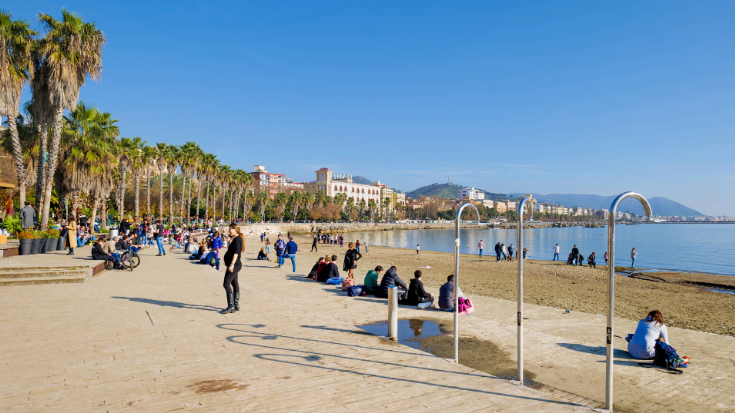
Skip the expensive clubs and visit Santa Teresa for the ultimate Salerno beach experience, located on the city's scenic doorstep.
While the Amalfi Coast is famous for its dramatic cliffs, the Salerno beach scene is far more accessible. Here you'll find sandy stretches perfect for a quick dip or a full day of sunbathing without the steep stairs.
The local Salerno beaches are split between free urban areas and equipped lidos (beach clubs) where you rent a lounger for the day.
Santa Teresa (The Urban Favourite)
Located right at the end of the Lungomare, near Piazza della Libertà, Santa Teresa is the city's most famous urban beach. Recently redeveloped, it now has wooden decking and direct access to the sea. It's the beating heart of local summer life — free to enter, lively from morning to night, and one of the best spots in Salerno to watch the sunset.
Lungomare Trieste (The Classic Lidos)
Stretching along the city's main promenade, Lungomare Trieste is all about the classic lido experience. You'll find sandy strips, managed by private operators, offering umbrellas, sunbeds, and bar service. It's safe, clean, convenient, and ideal for families who want guaranteed space and facilities within walking distance of the city centre.
La Isla Bonita (The Beach Club Experience)
For a more resort-style day out, head slightly south to La Isla Bonita, a well-equipped beach club in Salerno. You get wide, sandy spaces, a swimming pool, and full restaurant service. This is where to head for a comfortable, all-day escape with music and cocktails.
Looking for those famous Amalfi cliffs? Head to either Vietri sul Mare, the nightlife spot of Marina di Praia, or the quieter Fornillo Beach in Positano. These are all reachable by public transport. They're not in Salerno itself, but they make for easy, direct day trips from the city.
How Does Salerno Compare to Other Destinations?
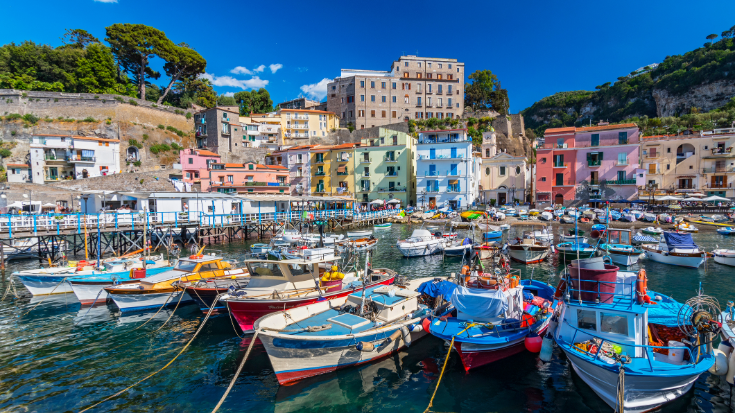
Sorrento delivers on the idyllic Italian coastal views and pristine hotels, but it has the crowds and price tag to match.
If you're considering Salerno, you're probably also looking at Sorrento, Naples, or staying directly on the Amalfi Coast. They each have different strengths — some are more polished, others more authentic, some prioritise views while Salerno prioritises access and value. Here's how they compare.
Salerno vs Sorrento
Sorrento is the polished choice — a dedicated holiday town that's stunning, manicured, and caters almost entirely to tourists. But it has the high prices to match. Salerno, by contrast, feels lived-in. It's a working city first and a destination second. Accommodation and dining are often 30–40% cheaper, and you won't be fighting crowds of influencers for a gelato. Same ferry and bus access to the coast, very different vibe.
Salerno vs Naples
Naples has incredible art, museums, and some of Italy's best food, but it can feel chaotic. Salerno gives you a calmer, cleaner introduction to southern Italy without sacrificing the authenticity. Think of it as Naples' more approachable cousin: still genuine, still gritty in places, just easier to navigate.
Salerno vs Amalfi Coast Towns
The coastal villages like Positano and Amalfi are stunning, but they're expensive and packed during summer. Salerno gives you easy access to both, via ferry and bus, without the premium hotel prices or crowds. The trade-off? You won't wake up to dramatic cliffside views directly outside your window. But you will wake up without draining your budget.
Salerno is ideal If you…
Yes, Salerno is worth the trip if you….
- Want to explore the Amalfi Coast region without breaking the bank,
- Need an affordable, accessible base for day trips to Pompeii, Paestum, and Positano,
- Prefer authentic Italian life over tourist-only resorts,
- Like quieter hidden gems more than crowded hotspots like Sorrento,
- Are looking for the perfect mix of city culture and relaxing beaches.
What to Eat in Salerno

Sfogliatella, a layered shell-shaped pastry filled with sweet ricotta, is one of many treats you can look forward to on a trip to Salerno.
This being Italy, food is almost certainly high on your priority list, and Salerno doesn't disappoint. Located between the Amalfi Coast and the wider Campania region, the city's food scene is shaped by fresh seafood from the Gulf, local produce such as Campanian tomatoes, and recipes passed down for generations.
For affordable, family-run trattorias, head to the streets around Via dei Mercanti, Largo Campo, and Via Roma, where the menus change daily. Tables at longstanding institutions like Trattoria Addò Pasticceria turn slowly, courses arrive when they're ready, and your hosts and waiters have time to chat. It's all part of Italy's food culture and intense love of all things gastronomy.
With this in mind, don't leave Salerno without trying the three sacred Ps — pasta, pizza, and pastries.
Pasta on Another Level
Forget standard spaghetti — the king of the coast is scialatielli ai frutti di mare. These thick, short ribbons of fresh pasta have a chewy texture that perfectly holds the sauce of clams, mussels, and local prawns.
For a true umami hit, look for simple pasta dishes dressed with colatura di alici. This intense, amber-coloured anchovy essence from the nearby fishing village of Cetara adds a savoury, salty depth: the Gulf of Salerno in a bite.
Pizza to Rival Naples
It's a bold claim, but many locals insist Salerno's pizza beats the world-famous Neapolitan version. The key difference lies in the texture: Salerno pizza often has a slightly crispier base and a more structured crust (cornicione), meaning it holds toppings better than Naples' soft, soupy centres.
The value is undeniable, too. You can still find an exceptional wood-fired margherita topped with local San Marzano tomatoes for under €10 (around £8).
Pastries to Pull Apart Slowly
The morning ritual in Salerno revolves around the sfogliatella pastry. You'll mostly see the riccia (curly) variety, which is a shell of hundreds of crunchy, flaky layers resembling a lobster tail. The local favourite is filled with warm semolina, sweet ricotta, and candied orange peel.
If you prefer something softer, try the babà, a mushroom-shaped sponge cake thoroughly soaked in rum. To sample the next-level flavour of Italy's lemons, try the delizia al limone, a delicate sponge dome drenched in a cream made from these local fruits.
Insider tip: Don't leave Salerno without trying mozzarella di bufala (buffalo mozzarella). The heart of this world-famous cheese is Battipaglia and Paestum, just south of the city. If you're in Salerno, you're actually closer to the source than if you were in Naples — making it easy to taste top-quality, artisanal mozzarella straight from the producers
Day Trips from Salerno: Where You Can Go
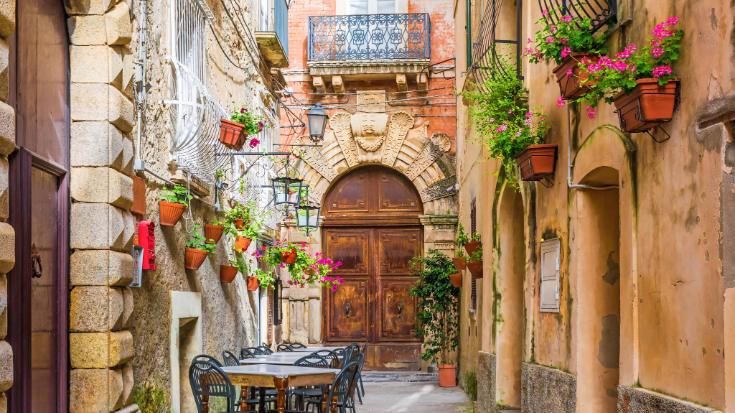
From Salerno, you can easily branch out and explore the squares and streets of nearby locations, such as the small town of Positano.
Salerno is an ideal base for exploring the Amalfi Coast and surrounding sites. From the city's train station, you can reach Naples, Pompeii, Herculaneum, and Paestum in under an hour. During warmer months, ferries connect Salerno with towns on the Amalfi Coast, and buses serve the hilltop villages nearby.
Top day trips from Salerno:
- Positano and Amalfi (best for iconic Amalfi views): Choose this for classic cliffside scenery. Ferries are faster than buses and offer the best coastal views. In the Salerno vs Sorrento debate, Salerno's ferry port is often less chaotic than Sorrento's for reaching these top attractions.
- Pompeii and Herculaneum (best for history lovers): Choose Pompeii for its massive scale and famous ruins, or Herculaneum, which is only 25 minutes away by train, if you prefer a compact, better-preserved site with fewer crowds.
- Paestum (best for foodies and temples): Visit for some of the world's best-preserved Greek temples. Wondering what to eat in Salerno? Don't miss a buffalo mozzarella farm visit, which usually includes a cheese tasting.
- Naples (best for urban energy): Just 45 minutes away, Naples is perfect for those who want gritty history, world-class museums, and authentic Neapolitan pizza.
- Ravello (best for romance and serenity): Perched high above the coast, head here to take some time out in serene, peaceful gardens. Visit Villa Rufolo's Moorish towers or the infinity terrace at Villa Cimbrone for the Amalfi Coast's most famous panoramic viewpoints.
Verdict: So, Is Salerno Worth Visiting?
Yes, Salerno is absolutely worth the trip if you….
- Want to explore the Amalfi Coast region without the tourist markup,
- Need an affordable, accessible base for day trips to Pompeii, Paestum, and Positano,
- Prefer authentic Italian life over polished tourist-only resorts,
- Like quieter hidden gems more than crowded hotspots like Sorrento,
- Are looking for the perfect mix of urban culture and relaxing beaches.
Salerno isn't luxury cliffside views or Instagram-perfect scenery. But it's genuinely Italian, walkable, and gives you access to the region's highlights at a fraction of what you'd pay in Positano or Sorrento. For three to five days exploring the area, it's hard to beat.
To help you along on your Salerno trip, we're offering you 15% off your first eSIM for Italy. To redeem, choose your data package in the Airalo store and enter the code SALERNO15 at the checkout. Terms and conditions apply.
FAQs: Is Salerno Worth visiting?
1.) Which is better, Sorrento or Salerno?
Whether Sorrento or Salerno is better depends on your travel style, but in the Salerno vs Sorrento debate, Salerno wins for those seeking authentic Italian culture and lower prices. Choose Sorrento for a polished, English-speaking resort experience, or Salerno for superior train connections to Paestum and Pompeii. While Sorrento is more manicured, it’s significantly more expensive than Salerno, which offers much better overall value for money.
2.) How many days do you need in Salerno?
You need at least two to three days in Salerno to explore the historic city centre properly, and take essential day trips to nearby ruins or the coast. To truly experience why Salerno is worth visiting, many travellers stay for four to five days. This longer duration allows you to fully explore the Amalfi Coast and the wider Campania region without rushing your itinerary.
3.) Are there flights to Salerno Costa d'Amalfi Airport from the UK?
Yes, direct flights to Salerno Costa d'Amalfi Airport from the UK are available, making the region more accessible than ever. Between March and October, Ryanair operates direct flights from London Stansted to Salerno with a flight time of just under three hours. Upon arrival at Salerno Costa d'Amalfi Airport, you can reach the city centre in 20 minutes by car or 40 minutes by bus, offering a faster alternative to flying into Naples.
4.) When Is the Best Time to Visit Salerno?
The best time to visit Salerno is during May, June, or September, when the Mediterranean weather is warm (20–25°C) but not scorching. Visiting during these shoulder seasons ensures ferry schedules are fully operational and streets are lively without the peak crowds of August. If you're considering a winter visit, the Luci d'Artista light festival from November to February makes it a top seasonal choice.
5.) How's the Weather in Salerno?
The weather in Salerno is characterised by its classic Mediterranean climate, featuring hot, dry summers and mild, wet winters. During peak season in July and August, temperatures often soar above 30°C, which is perfect for visiting Salerno beaches. Conversely, the spring and autumn months offer pleasant, sunny days that are ideal for sightseeing and exploring the city's outdoor monuments.
6.) Is Salerno Cheaper Than the Amalfi Coast?
Yes, Salerno is significantly cheaper than other towns on the Amalfi Coast, offering a more budget-friendly alternative for travellers. The savings are a major factor, as accommodation, meals, and drinks all cost substantially less in Salerno than in Positano, Amalfi, or Ravello. You can enjoy the same coastal views and ferry access while keeping your daily expenses much lower.
7.) Is Salerno a Good Base for Day Trips?
Salerno is an exceptional base for day trips because it sits at the crossroads of Italy's major rail and sea routes. When looking for things to do in Salerno, you'll find that direct trains easily reach Pompeii, Herculaneum, Paestum, and Naples. While exploring what to see and do in Salerno, make use of the city's frequent ferries and buses to reach the Salerno top attractions, like the Amalfi Coast towns and the Cilento coastline.