


Getting off the beaten path in Japan helps you to discover a different side of the country that most tourists never see. Sure, iconic megacities like Tokyo deserve a spot on any Japan itinerary, but adventuring further afield means unique experiences and fewer crowds.
Head to remote spots like the Iya Valley, where vast gorges and ancient vine bridges leave you feeling miles away from civilization. Or explore lesser-visited cities such as Matsue, home to remarkably preserved samurai houses and one of the country’s last surviving castles.
Find out how to escape the crowds with this guide to Japan’s best hidden gems.
5 Incredible Off-The-Beaten-Path Destinations in Japan
Oki Islands: Volcanic Coastlines and Ancient Cedar Forests
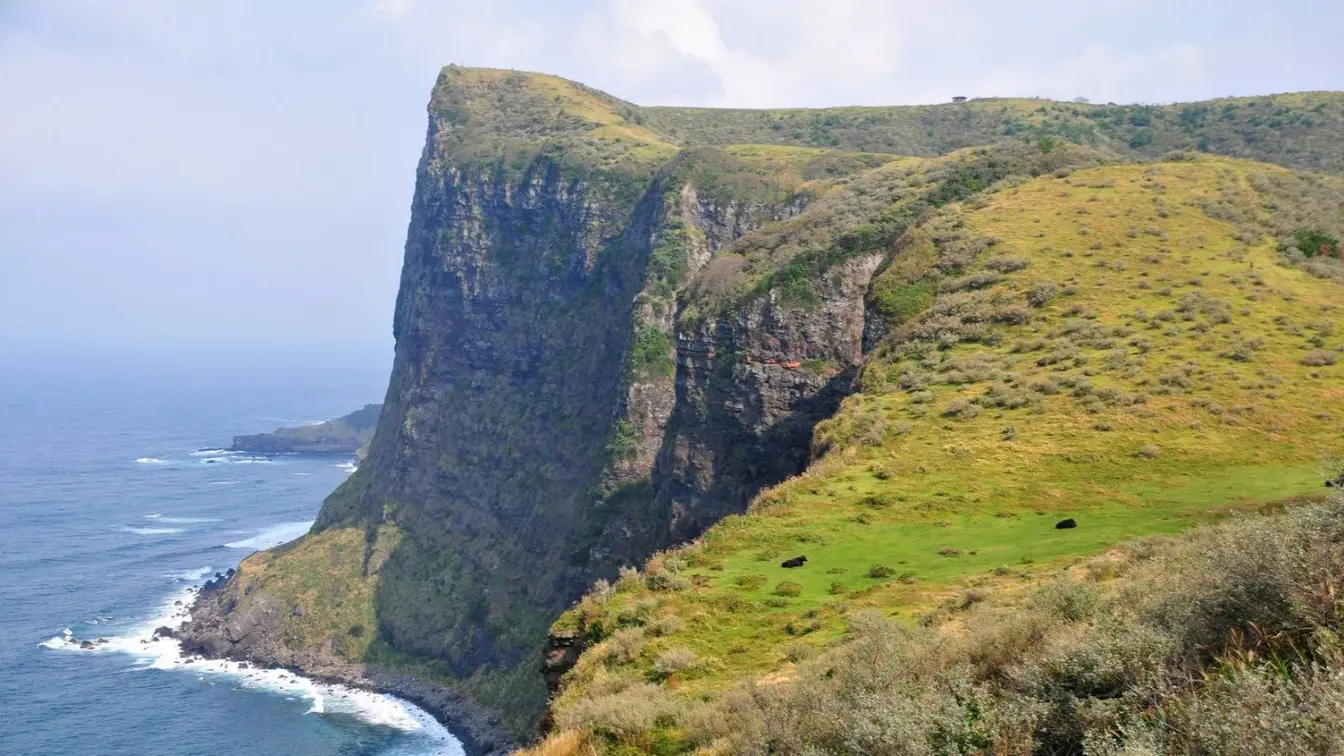
If reaching the Oki Islands were easier, they’d almost certainly be busier with tourists. Getting there involves a ferry crossing from Shichirui or Sakaiminato or a regional flight from Osaka or Izumo, making it a time-consuming detour that doesn’t fit into a typical Japan itinerary.
But this volcanic archipelago, comprising more than 180 islands, has UNESCO Global Geopark status for a reason, and the rugged coastlines and untouched nature make the journey worth the effort.
Only four of the islands are inhabited, which helps narrow down where to stay. Dogo, the largest of the four, is a paradise for hikers, with winding trails through dense cedar forests up to peaks like Mount Daimanji.
The three smaller inhabited islands, Nishinoshima, Nakanoshima, and Chiburijima, are remnants of a volcanic caldera, resulting in spectacular geological formations. Nishinoshima makes an ideal base for exploring the area, primarily because it’s home to the dramatic Kuniga Coast Trail, which encompasses the colossal 257-meter-tall Matengai Cliff.
Scenic boat tours are a must. Sail along the Kuniga Coast for up-close views of narrow caves and sheer cliff faces, or take a sunset trip to Candle Island, an offshore rock spire where the setting sun aligns with the tip to resemble a giant candle on the water.
Lake Tazawa: Mountain Views and Onsen Relaxation
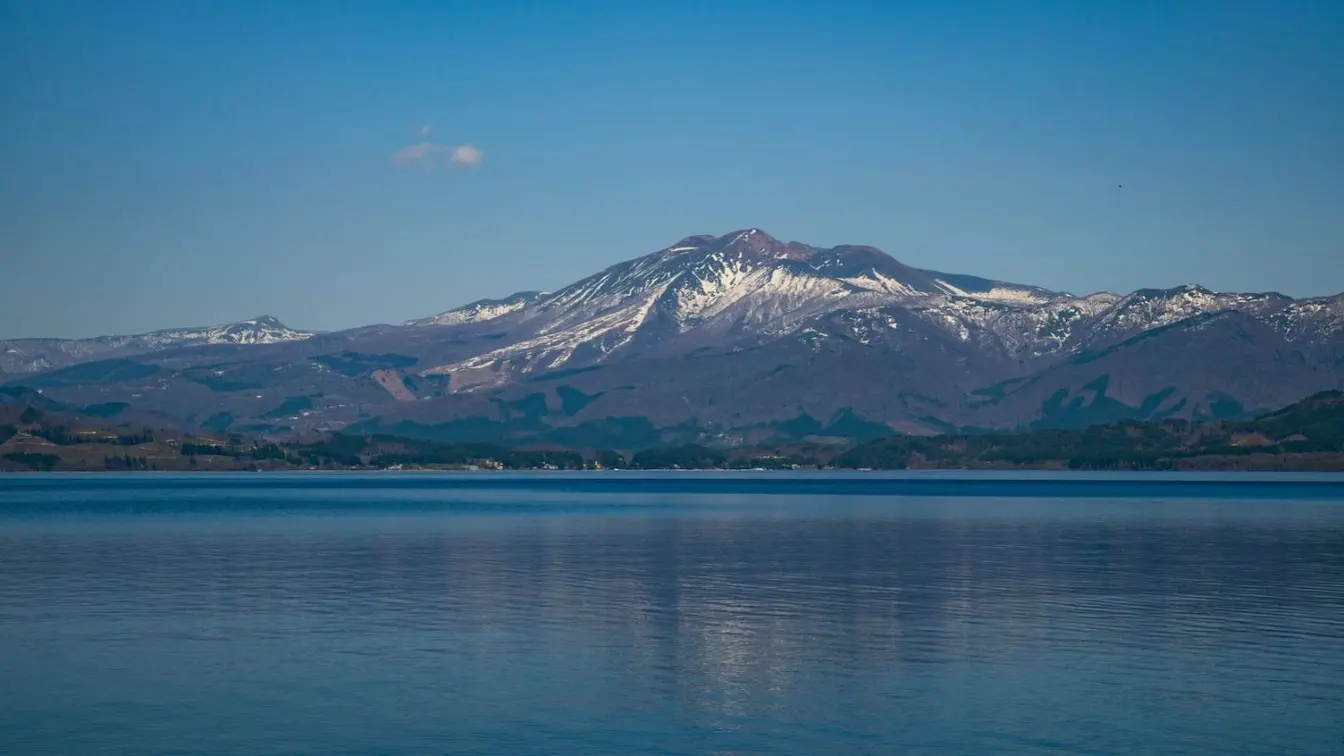
If you want to explore deep into Japan, Lake Tazawa — the country’s deepest lake — quite literally fits the bill. This immense caldera lake reaches a maximum depth of 423 meters and is framed by steep mountain slopes that lead down to the water’s edge.
It can be hard to find a moment’s peace in Japan’s bustling cities, but Lake Tazawa is the perfect place to escape the chaos. With only a handful of inns dotted around the lake, you can enjoy quiet days by the water without the tourist masses. During summer, you can even swim in the lake, so be sure to add a swimsuit to your Japan packing list.
For something a bit more active, rent a bike and cycle the 12-mile loop along the shoreline to discover sights like the Gozanoishi Shrine and the Statue of Tatsuko. The lakeside shrine features a traditional red torii gate that frames the mountains, and the statue honors a local myth about a young woman who transformed into the lake’s dragon guardian.
If you’re looking for a more chilled way to explore, seasonal sightseeing boat trips run between late April and early November.
To take your relaxation to the next level, head into the mountains to Nyuto Onsen Village. This small village houses seven hot spring inns, where you can experience a traditional Japanese onsen fed directly by underground volcanic springs.
Matsue: Historic Castle, Samurai Heritage, and Lakefront Sunsets
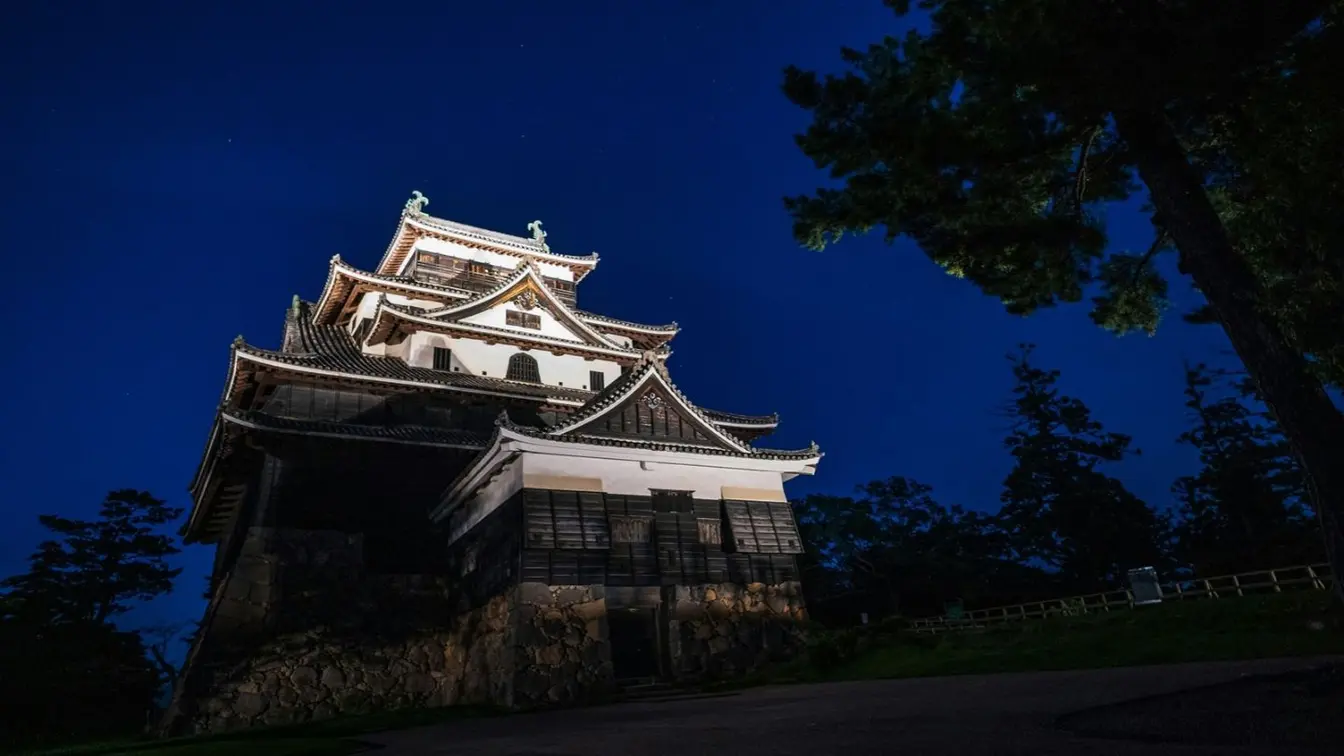
As the capital of Shimane Prefecture — the country’s least visited region by international tourists in recent years — Matsue is one of the most off-the-beaten-path cities in Japan. Its star attraction is the 17th-century Matsue Castle, one of only 12 surviving original castles in the entire country.
Perched on a hilltop in the city center, the castle features a distinctive dark exterior of black wooden clapboards and is surrounded by steep stone walls and a protective moat. Sightseeing boat tours along the moat offer a different perspective of the castle, and the boats use a unique lowering roof mechanism to squeeze under low bridges — so be prepared to duck down.
For the best views of Matsue, head up the castle’s watchtower for 360-degree panoramas of the downtown area, surrounding hills, and Lake Shinji.
Just beyond the castle grounds, you’ll find Shiomi Nawate Street. This historic street is lined with traditional samurai houses, such as the Buke Yashiki, a wonderfully preserved 18th-century residence that offers a glimpse into the lives of upper-class samurai.
Sunsets at Lake Shinji are a must and are best experienced from the promenade opposite Yomegashima Island, where people gather to watch the shifting colors reflect in the calm water.
Iya Valley: Dramatic Gorges, Vine Bridges, and Mountain Villages
The Iya Valley feels worlds away from tourist hotspots like Tokyo and Osaka, largely due to its location on Shikoku — the least visited of the country’s four main islands.
Because the valley is so remote, it’s best to rent a car instead of relying on infrequent public transport so that you can explore at your own pace. Just be prepared to navigate narrow roads with steep drops beside them, and get a Japan eSIM to keep your GPS apps online.
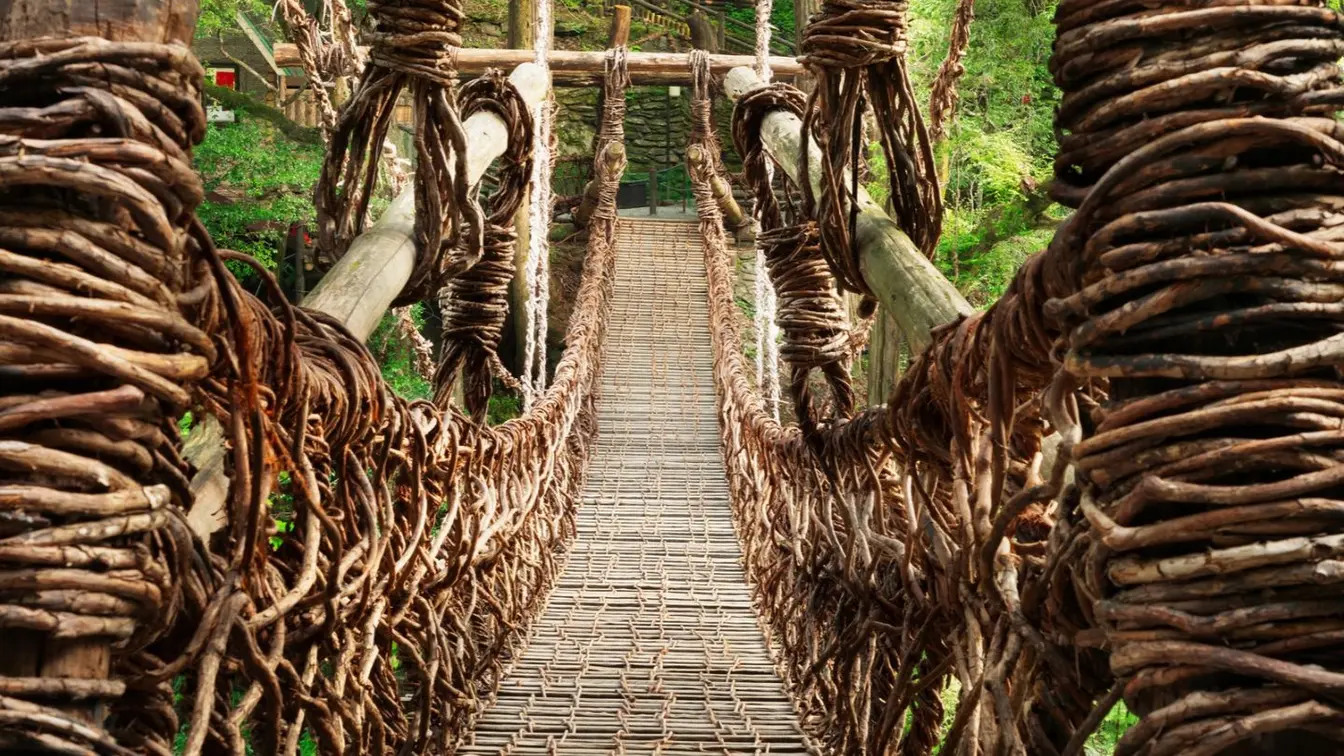
As you drive, you’ll catch glimpses of forested gorges and misty mountains, but you’ll need to stop at designated points to properly appreciate the views. The Iya Valley’s iconic vine bridges are a true highlight; legend says thirteen once crossed the valley, but only three remain today.
Crossing the bridges can test your nerves, with gaps between the wooden slats offering a direct view of the drop down to the river below. The main Iya Kazurabashi bridge is the easiest to access, but if you want a true adventure, head deeper into the valley to the remote double bridges of Oku-Iya Niju Kazurabashi.
For more dramatic views, visit the whimsical Statue of a Peeing Boy, which stands precariously on a rocky outcrop overlooking the valley’s lush forest.
Another essential stop is Ochiai Village, a small settlement with houses scattered across a steep hillside. A short drive away, the Ochiai Village Observatory provides a picture-perfect view from across the valley.
Ideally, time your visit to the Iya Valley for spring, summer, or autumn to avoid navigating the hair-raising mountain roads in snowy conditions.
Mount Haguro: Spiritual Mountain Pilgrimage and Summit Shrine
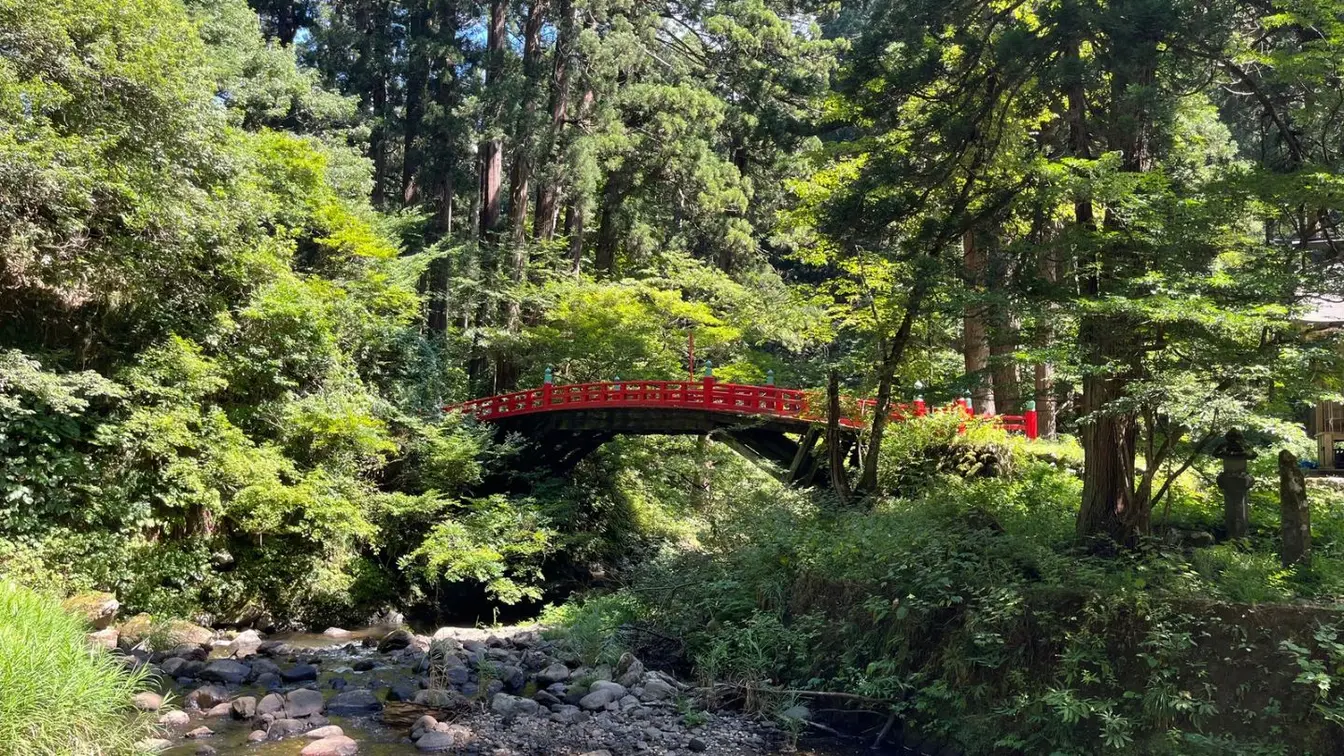
Mount Haguro is one of three sacred peaks known collectively as the Dewa Sanzan (Three Mountains of Dewa) — a hub of spiritual Shugendō mountain worship for more than 1,400 years. Together, the three mountains form a pilgrimage route that symbolizes the journey of rebirth.
Near the base of Mount Haguro, the ancient Five-Storied Pagoda sits in a small clearing surrounded by towering cedar trees. This remarkable pagoda is made entirely of wood without a single nail, using a traditional Japanese woodworking technique known as kigumi.
The path to the peak of Mount Haguro encompasses 2,446 stone steps and represents life in the present. Along the way, 33 carvings lie hidden in the steps, and legend has it that discovering them all grants your greatest wish.
At the summit, the Sanjin Gosaiden shrine is dedicated to the deities of the three mountains. If the weather permits, you can continue on to Mount Gassan and Mount Yudono, but due to heavy winter snow, the path beyond Haguro remains closed for much of the year. The full pilgrimage route is typically only open from July 1 to September 15.
Although it’s not on most tourists’ radar, Mount Haguro can be reached from Tokyo in just 4½ hours by train. You can even stay near the summit overnight at a saikan, a traditional temple lodging, but reservations are currently only available by phone.
Directs to Airalo help center for more support information.
Opens chat with Airalo support on WhatsApp.