


Everyone's looking for holiday recommendations, putting pins in maps and checking out which travel trends to try in 2026. If you need fresh travel inspiration to mix things up a bit, you're in the right place.
In this guide, we explore the holiday ideas travel experts are loving right now. Find out how coolcations are driving traffic to the Nordics and why glowmadding has made Seoul a skincare pilgrimage, and how the rail renaissance is putting sleeper trains on bucket lists in 2026.
Before you head off to try the best travel trends for 2026, check out the latest trend in connectivity as well. Travel eSIMs are the smartest, most convenient, and most affordable way to stay online abroad. Enjoy 15% off your first travel eSIM from Airalo by using the code UKIREBLOG15 at checkout. Terms and conditions apply.
Coolcations: Why Travellers Are Heading North to Beat the Heat
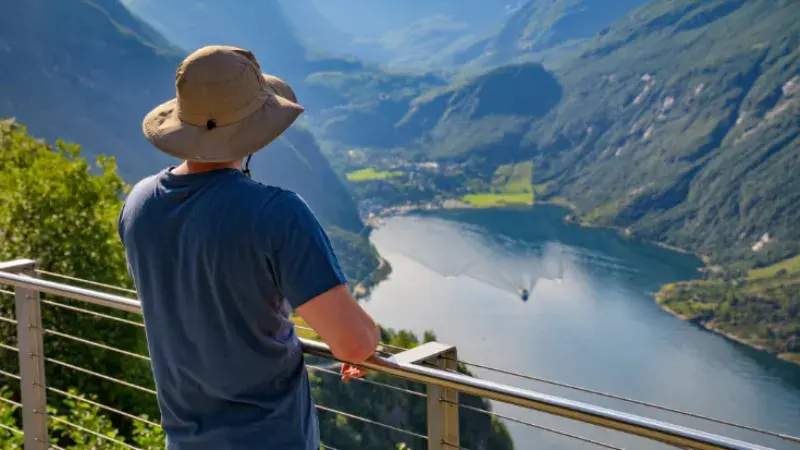
Coolcations emerged as one of 2025's breakout travel trends after record-breaking temperatures saw high-pressure systems and warm seas trigger multiple heatwaves across Europe and beyond. And with extreme heat set to return, the trend is only gaining momentum in 2026.
What are Coolcations?
Coolcations are trips people take during the hotter months to escape intense or prolonged heatwaves. Instead of the traditional summer sizzle, travellers are now prioritising fresh air, manageable temperatures, and breathtaking landscapes.
The best coolcation spots in 2026 include:
Glowmadding: The Beauty Tourism Trend Taking Travellers to Seoul and Beyond
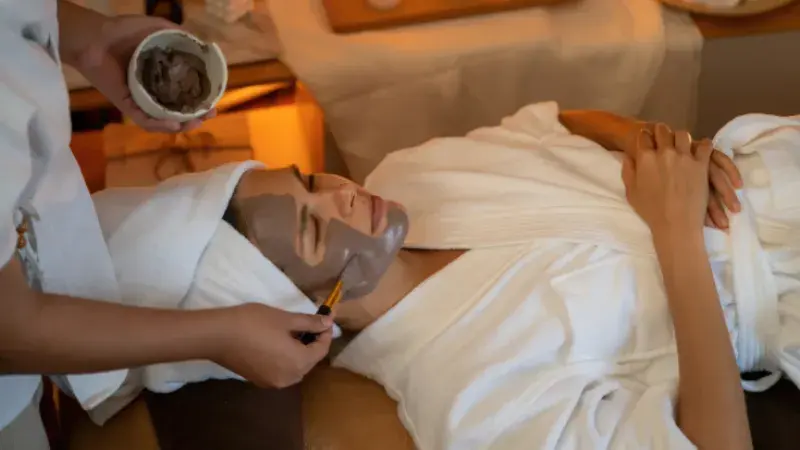
Glowmadding is the beauty tourism trend inspiring travellers to jet off specifically for cutting-edge skincare treatments, returning home with dewy complexions and cult-favourite products. Social media reels, makeup tutorials, and product unboxing videos are driving the boom — and skincare is front and centre in 2026.
Skyscanner's 2026 beauty travel trends data found that 27% of Gen Z travellers are planning to search for beauty treatments and cult-favourite skincare stores on their 2026 travels.
Beauty Tourism Hotspots: Where Skincare Lovers Go to Glow
The top beauty tourism hotspots for 2026 span Seoul, Tokyo, Paris, Bali, and Dubai. Each has a distinct approach to skincare, from K-beauty glass-skin facials to holistic Balinese flower baths.
- South Korea has emerged as a top beauty tourism destination, with Seoul firmly cemented as a global beauty capital. Thanks to its reputation for innovation and its K-beauty scene, travellers are booking trips that include 'glass skin' facials, microneedling, head spa treatments, and personalised skincare plans.
- France remains a beauty treatment heavyweight. Beyond luxury brands like Caudalie and Bioderma, travellers flock to the Auvergne region for thermal spring water therapies and Vichy showers.
- Japan is a beauty tourism hotspot where you can find both high-tech molecular science and J-beauty rituals. Therapists use rice bran and green tea extracts to re-texturise the skin. This is often combined with the renowned Kobido facial massage, a technique with over 500 years of history.
- Bali is the home of all things holistic and nature-integrated when it comes to skincare. Travellers head for the island's famous flower baths, Jamu (Indonesia's traditional herbal medicine), and Boreh body wraps, a traditional Balinese scrub using warming spices like cloves, ginger, and turmeric to boost circulation.
- Dubai is the epicentre of luxury medical aesthetics and prejuvenation. As a hub for high-end care, it's the place to get viral 24-carat gold leaf facials, relax in cryotherapy chambers and receive intravenous vitamin drips in five-star hotel suites.
Runcations: Combining Fitness Goals With the Reward of a Holiday
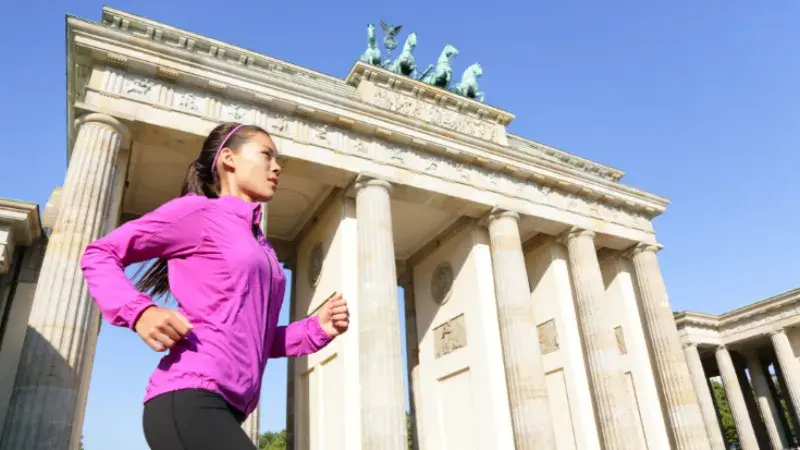
Runcations are one of travel's fastest-growing trends, and the numbers back it up. Joint research by Airbnb and Strava in autumn 2025 found that 74% of runners aged between 18 and 29 had either planned or were considering booking a countryside runcation.
What are Runcations?
Runcations are holidays that combine a fitness goal with a trip — and part of the reason travellers love them so much is that they get the best of both worlds. Three months of half-marathon training can be followed up with the treat of eating everything in sight once the challenge is over. It's the perfect balance between effort and reward.
Top Endurance Events for Runcationers
For runcationers chasing bigger challenges, ultramarathons, trail runs, and endurance events offer some of the most spectacular backdrops on the planet. The chance to push your limits against scenery like that is a huge draw for adrenaline-loving travellers — think signing up for Ironman, the Comrades Marathon, or the 6633 Arctic Ultra.
Setjetting: How Films and TV Shows Are Inspiring Travel in 2026
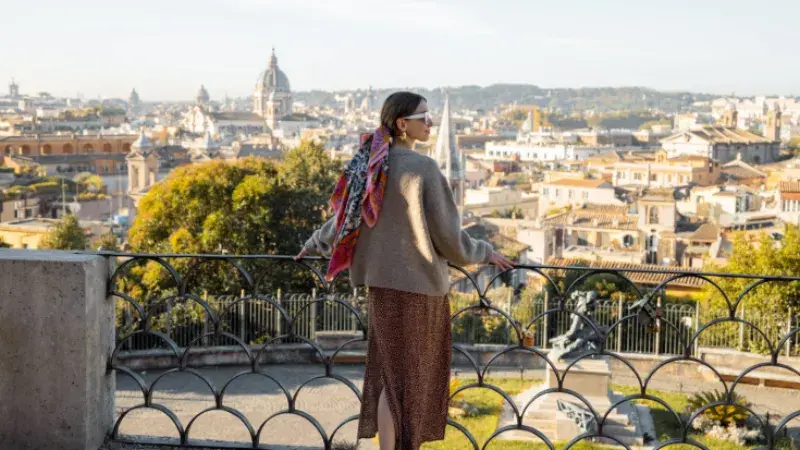
Setjetting describes travelling to the places where your favourite TV shows, films, and books are set. With so many popular series featuring incredible locations in recent years, travellers are turning screen time into trip planning.
The Influence of Screen Tourism
Screen tourism is reshaping travel decisions worldwide. Shows like The White Lotus have driven renewed interest in Koh Samui and Thailand, while tour companies are capitalising on the trend with experiences built around specific filming locations — such as The Sopranos tour of New York and New Jersey.
Chances are, you've probably done a little setjetting yourself. If you've visited Edinburgh, you may have walked in the footsteps of Guillermo Del Toro's Frankenstein. And popping across the Channel or visiting Rome puts you in prime Emily in Paris territory.
Con-cations: Why Comic Cons and Gaming Events Are a Travel Trend
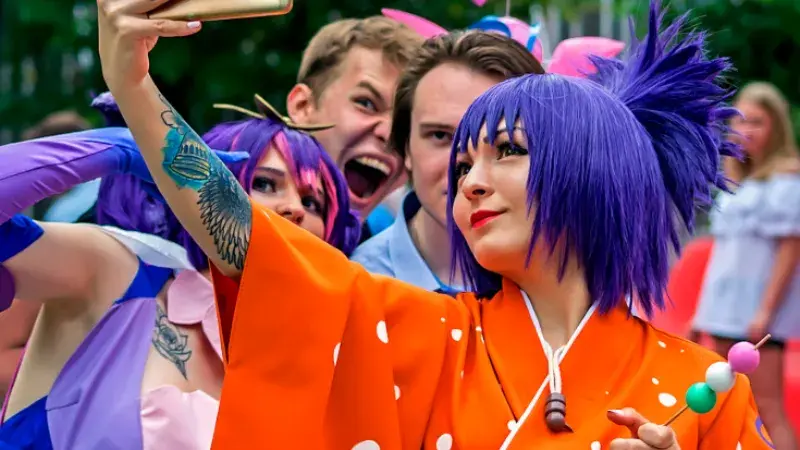
Con-cations, short for holidays built around pop culture and gaming conventions, are only getting bigger. Gamescom drew 357,000 visitors from 128 countries to Cologne in 2025, LA Comic Con set a new record with over 130,000 attendees, and over in Tokyo, the twice-yearly Comiket regularly draws hundreds of thousands of fans, with pre-pandemic editions attracting up to 750,000 across four days.
Why Con-cations are Trending
Con-cations are so well-loved among travellers because they appeal to a diverse base: they're family-friendly, a good excuse for a group trip, and often particularly welcoming to solo travellers.
From exclusive merchandise and cosplay to new cities and the chance to meet fellow fans, con-cations have become one of 2026's most creative travel formats.
Destination Hotels: When the Stay Is the Reason for the Trip
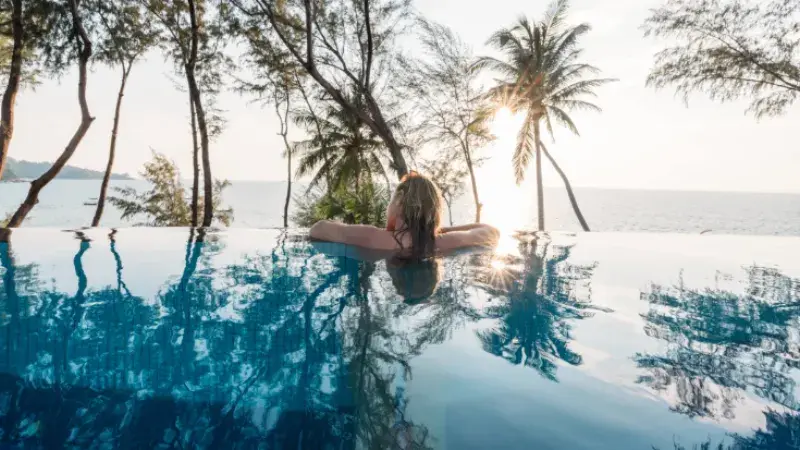
n 2026, hotels aren't just where you stay — they're why you go. Travellers are choosing destinations based on standout architecture, curated on-site experiences, and content-ready design. Whether it's a brutalist masterpiece carved into a desert cliffside or a high-tech bio-pod in the rainforest, the architecture and the amenities are the itinerary.
Why Hotels Are Becoming Destinations in Their Own Right
The city beyond the hotel lobby has become an added bonus, as travellers now prioritise where to stay. Skyscanner's Travel Trends report highlights a 60% global year-on-year rise in bookings using its 'unique stays' filter. It also found that 45% of travellers have picked a destination based purely on accommodation.
This trend is playing out in three ways:
- Architectural extremes: From converted lighthouses in the North Sea to 3D-printed villas in the desert, travellers want a visual narrative they can share.
- The slow-stay ritual: Hotels are leaning into exclusive, on-site experiences such as sound bath chambers, private stargazing decks, and farm-to-table dining where you pick the ingredients yourself.
- Curated content hubs: High-end properties now put content-first aesthetics at the heart of their design, ensuring every corner, from the infinity pool overlooking Balinese rice terraces to the textured clay walls of the spa, is perfectly framed for the lens.
In 2026, the question isn't just 'where do I want to go?' anymore — it's 'where do I want to stay?'
Sobercations: Why Alcohol-Free Travel Is on the Rise in 2026
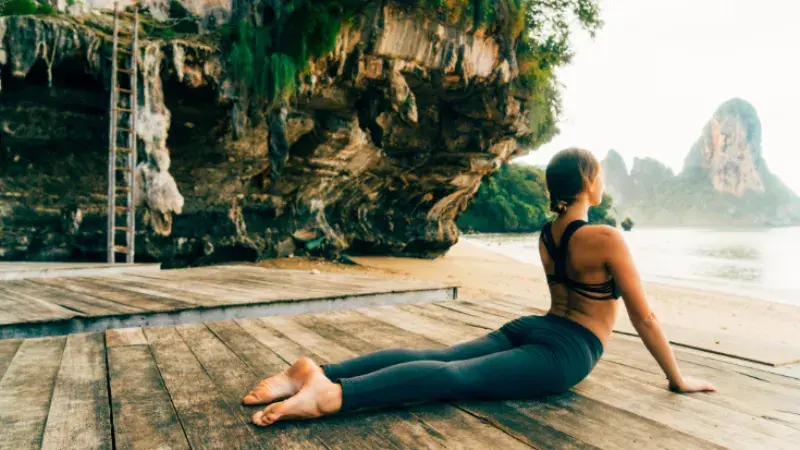
Sobercations are gaining serious ground in 2026, as a new generation of travellers — led by Gen Z and the sober-curious movement — prioritise clarity over cocktails. The boozy holiday is officially losing its cultural grip.
As Lauren Burnison, founder of We Love Lucid, says: "It is no longer accepted that you need alcohol to have fun."
In 2026, that sentiment is becoming an industry standard. Many travellers are no longer willing to sacrifice their first morning in a new city to a hangover. They'd rather be at a sunrise yoga session or catching the first light on a mountain trail.
Sober Travelling: From 'Dry Tripping' to High-End Alcohol Alternatives
So, what does sober travel actually look like? The ultimate flex is waking up at dawn feeling energised and clear-headed — and from there, alcohol-free experiences lead the way. The travel industry is pivoting to meet demand for:
- Mocktail mixology: Some luxury resorts now feature spirit-free menus that are just as complex and artisanal as their alcoholic counterparts.
- The natural high: There's a growing focus on dopamine-heavy activities. Think night-kayaking in bioluminescent bays or high-altitude trekking, designed to provide a rush that no glass of wine can match.
- Socialising without stigma: Alcohol-free boutique hotels and wellness-first social clubs are popping up in hubs like Ibiza, Mykonos, and Tulum, proving that the party doesn't stop just because the ABV is zero.
Slow Travel Meets the Rail Renaissance
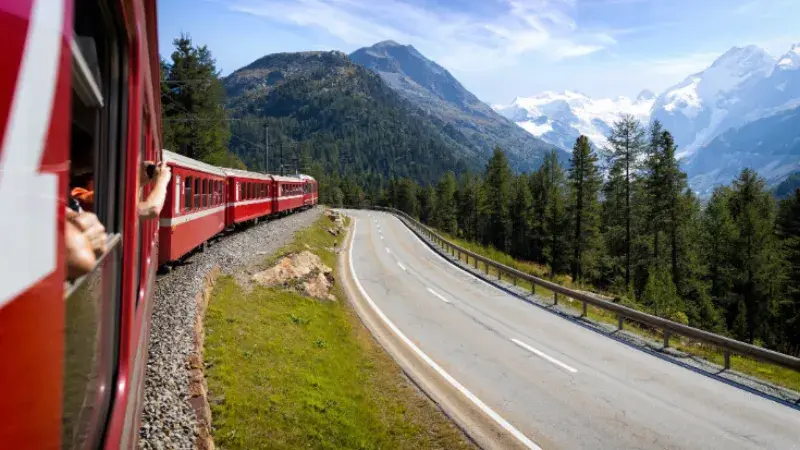
New sleeper routes and luxury rail experiences are driving a rail renaissance in 2026, and adventurous holidaymakers are discovering that trains are a cinematic lifestyle choice rather than a means of commuting.
Why fly over the scenery when you can wake up in it? For the eco-conscious traveller, slow travel turns the journey itself into the main event.
Following a wave of 2025 train route launches, connecting hubs like Warsaw to the Adriatic and Paris to the Alps, this year's expansion is even more ambitious. High-speed and sleeper routes now bridge Rome to Munich and Amsterdam to Milan, while bucket-list options like Finland's Helsinki-to-Lapland sleeper — which drops you in the Arctic Circle overnight — continue to sell out well in advance.
The Golden Age of Rail Returns in 2026
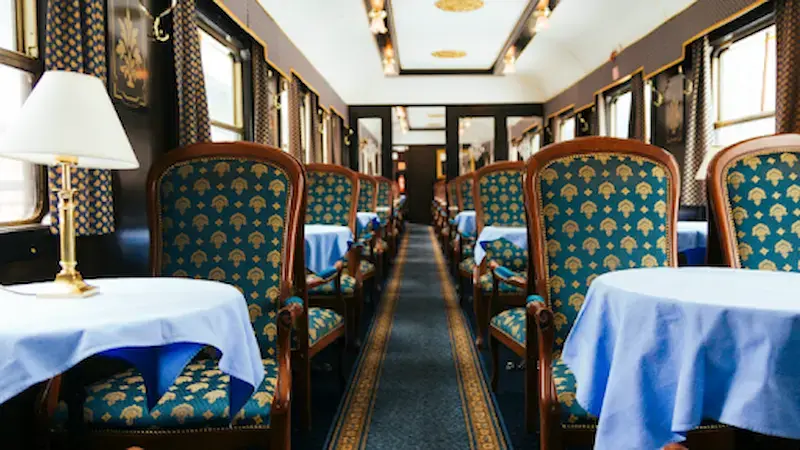
Luxury rail is having its golden age in 2026, with two flagship experiences leading the revival. In May, the Venice Simplon-Orient-Express will debut its Paris-to-Amalfi Coast route. Featuring restored 1920s and 30s Art Deco carriages, Michelin-starred dining, and a 24-hour steward service, it's set to become one of the world's most elite rail experiences.
Meanwhile, the Britannic Explorer, which launched in July 2025 and links Cornwall, the Lake District, and Wales, has gone down a treat. Featuring menus by three-Michelin-starred chef Simon Rogan, it's essentially a stately home on wheels.
Even with price tags that tip £6,000 to £11,000+ per person, 70% of its cabins were sold out before the train even hit the tracks. And for 2026, experts recommend booking 6–12 months in advance to secure a cabin.
Social media is also fuelling demand for bucket-list classics — Switzerland's Glacier Express and the Bernina Express through the Alps are selling out well in advance.
To help you explore all the travel trends 2026 has to offer, we're giving you 15% off your first eSIM. Just enter your destination, choose your data, and use the code UKIREBLOG15 at checkout. Terms and conditions apply.
Directs to Airalo help center for more support information.
Opens chat with Airalo support on WhatsApp.