

Nigel Seah has extensive experience travelling through Vietnam and shares his adventures and insider tips with us below!
Planning a trip to Vietnam is exciting right up until the visa question pops up and suddenly you’re knee-deep in tabs and forum threads. One minute you’re saving bánh mì spots and hiking trails in Sapa, the next you’re staring at your passport like it personally owes you answers.
So let’s make this easy on you. If you’re traveling on an Indian passport, yes, you generally need a visa to enter Vietnam.
This guide is your straight, calm, no-panic walkthrough. We’ll cover:
- Vietnam’s visa requirements for Indian passport holders
- The visa options you can choose from
- How the e-visa application actually works
- And what to expect at immigration so you can land focused on exploring, not troubleshooting
And once the visa part is handled, you can move on to the fun stuff, like sorting your Vietnam eSIM or an Asia eSIM if Vietnam is just one stop on a bigger Southeast Asia lap. One crisis at a time, main character.
Do Indian Citizens Need a Visa to Enter Vietnam?
The short answer
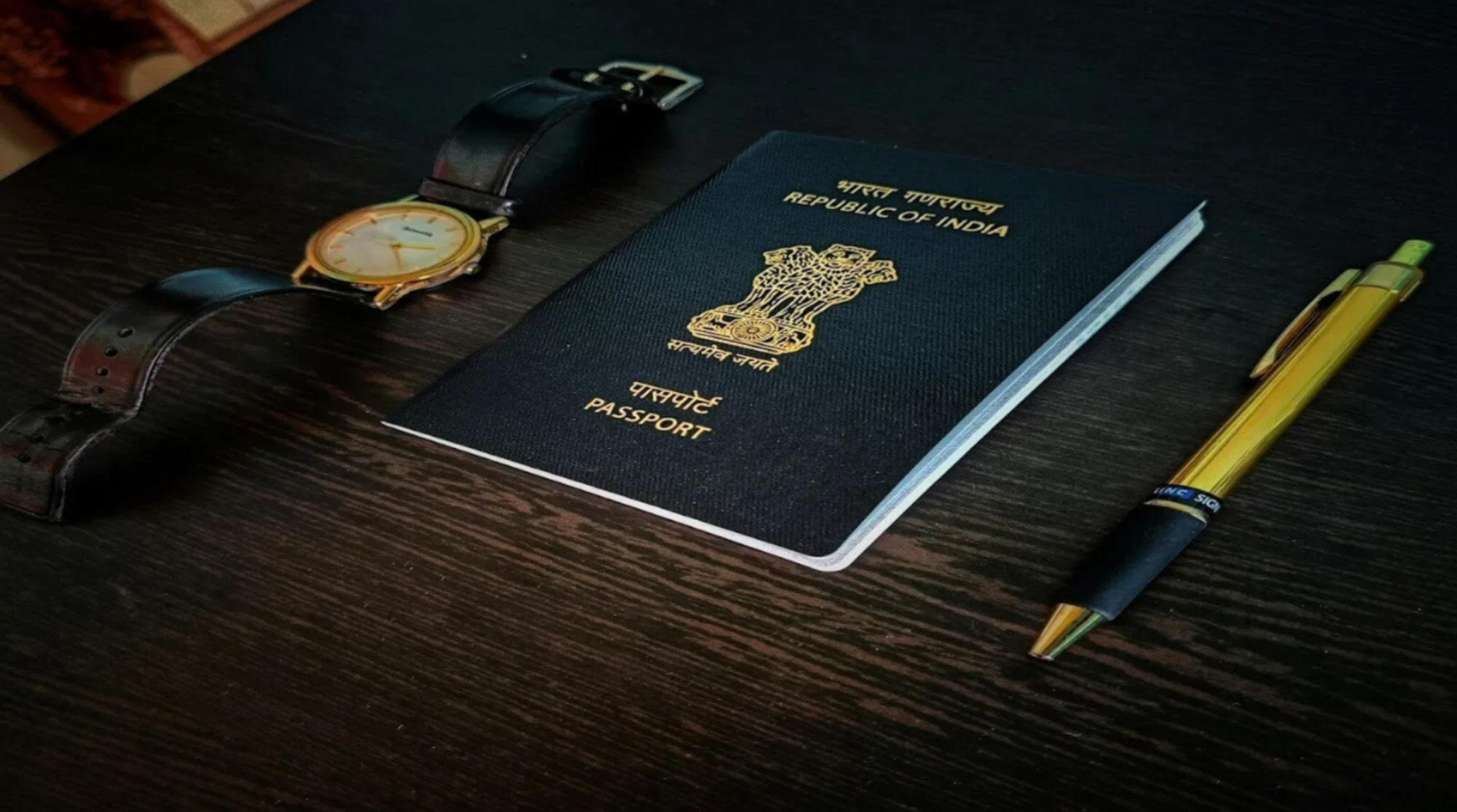
If you’re traveling on an Indian passport, Vietnam generally requires a visa. There isn’t a broad visa-free arrangement for Indian citizens the way there is for some other nationalities, so you’ll want to plan on getting a visa sorted before you go.
The Phu Quoc (Phú Quốc) exception (and why it confuses people)
You might see people mention a visa-free exception for Phu Quoc (Phú Quốc). This is real, but it’s also one of those travel details where the conditions matter a lot.
In simple terms, Phu Quoc can offer visa-free entry for certain travelers under specific routing rules, typically requiring arrival from another country and departure within the allowed period.
The moment your plan includes mainland Vietnam destinations like Hanoi (Hà Nội) or Ho Chi Minh City (Thành phố Hồ Chí Minh), or your flight route doesn’t match the exemption’s conditions, you should assume you need a visa.
So, if your itinerary is anything like “Hanoi + Ha Long Bay + Da Nang (Đà Nẵng) + Ho Chi Minh City,” don’t bank on the exception. Just get the visa and keep your trip energy peaceful.
Passport Validity Rules
This part trips people up more often than you’d think, mainly because it feels too basic to be the thing that ruins your day.
Your passport should be valid for at least six months beyond your arrival date in Vietnam. I’d check this early, because if your passport is anywhere near that line, your visa application can stall before it even starts.
Airlines also tend to take passport validity seriously, and you do not want your trip to end at the check-in counter.
Another small but important detail: make sure you have blank pages. Even if you’re using an e-visa, immigration stamping still needs space. It’s not a glamorous checklist item, but it’s one of those “future you will be grateful” things.
Entry Points Accepting E-Visa
One reason the Vietnam e-visa is so popular is flexibility. It’s designed to work for most normal travel plans, including air travel, and in many cases via approved land borders and seaports as well.
But here’s the detail you really need to lock in: an e-visa is only valid at approved entry and exit checkpoints. That means you can’t assume every border crossing works just because your visa exists.
If you’re flying into major airports, you’ll usually be fine, especially in places like:
- Noi Bai International Airport (Sân bay Quốc tế Nội Bài) in Hanoi
- Tan Son Nhat International Airport (Sân bay Quốc tế Tân Sơn Nhất) in Ho Chi Minh City
- Da Nang International Airport (Sân bay Quốc tế Đà Nẵng) in Da Nang
Where people get tripped up is overland travel, like entering from Cambodia or Laos, or exiting through a less common checkpoint. If your trip includes land borders, check that your exact border gate is supported before you finalize transport.
Types of Vietnam Visas Available to Indian Travellers
E-Visa (Electronic Visa)
When people ask me how to get a Vietnam visa from India with the least hassle, I usually point them to the e-visa. You apply online before travel, and once approved, you bring a printed copy with you.
For Indian travelers, this is often the simplest option because it’s direct, predictable, and doesn’t require an extra airport process after you land.
Depending on what you select, it can also support single-entry or multiple-entry plans, which is handy if Vietnam is part of a bigger Southeast Asia loop.
Visa on Arrival
Vietnam visa on arrival for Indians still exists, but it’s not the same as just landing and getting stamped. You need an approval letter arranged in advance, and you complete the final steps at the airport after landing.
This is usually a two-step process rather than an actual visa for arrival. It can work well if you’re flying into a major airport, but it’s not ideal for land borders or seaports, and it requires more coordination upfront.
Embassy or Sticker Visa
Some travelers prefer the traditional route of applying through a Vietnamese embassy or consulate, especially if they need a business visa for Vietnam or have complex travel plans.
This option makes sense when someone wants a more extended stay or has specific documentation needs.
It takes more time and paperwork, but in some instances, it offers flexibility that online options do not.
How to Apply for a Vietnam E-Visa
Step-by-step online application
You apply through Vietnam’s official e-visa portal run by the Vietnam Immigration Department (Cục Quản lý xuất nhập cảnh) under the Ministry of Public Security (Bộ Công an).
Here’s how the process typically goes:
1) Go to the official e-visa portal
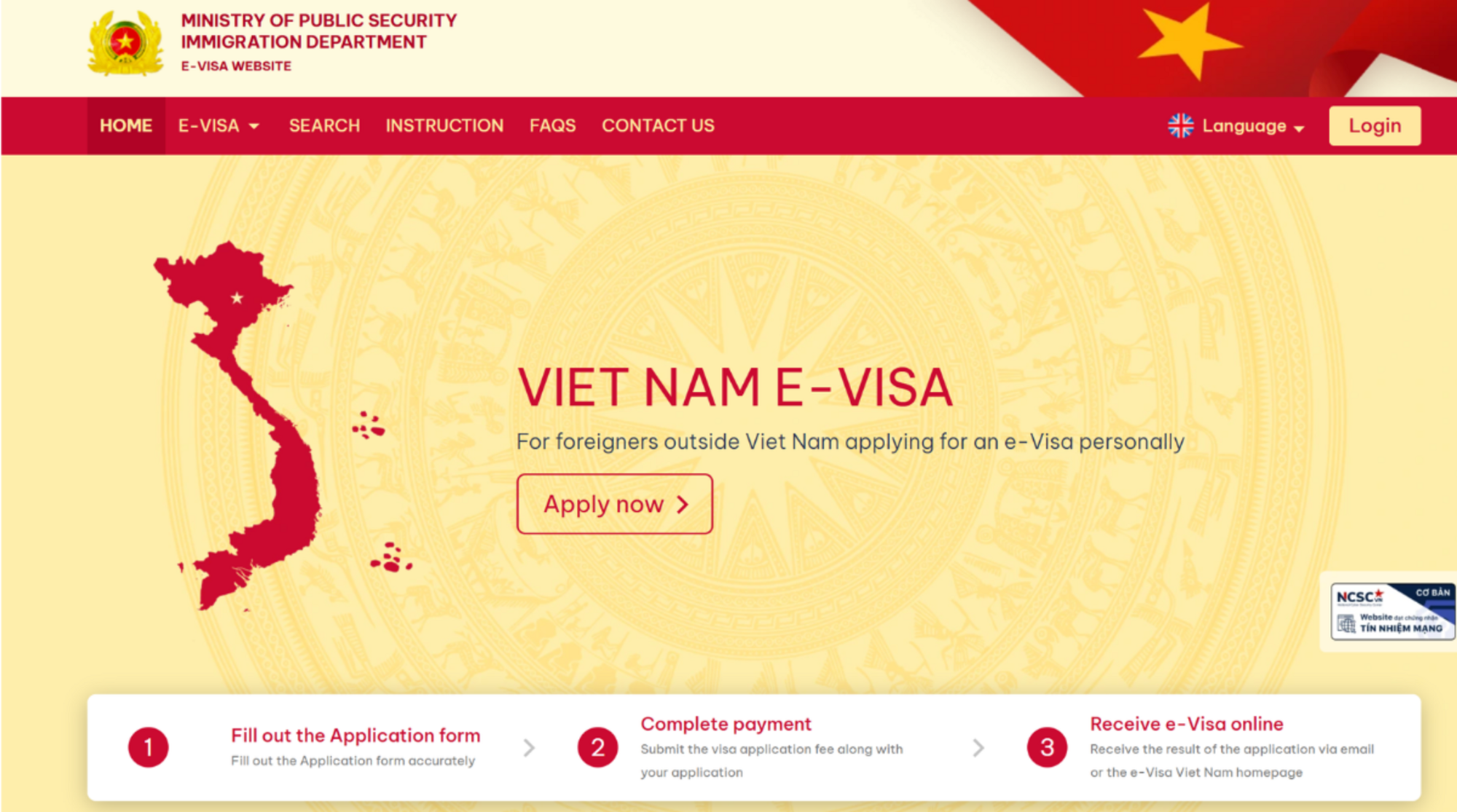
Make sure you’re on the government portal. Vietnam Immigration announced that the official e-visa portal runs on:
- evisa.gov.vn
- thithucdientu.gov.vn
If a site looks “official-ish” but charges weird service fees at checkout, pause. That’s usually not the government portal.
2) Upload your documents
You’ll generally need a clear scan/photo of your passport bio page and a passport-style portrait photo. Keep it clean, well-lit, and properly cropped. This is not the moment for artistic lighting.
3) Fill in your details carefully
Your name, passport number, date of birth, and travel dates need to match your passport exactly. Small typos can create big delays.
4) Select your entry and exit points
This matters. If you pick an entry checkpoint you don’t actually plan to use, you can create avoidable friction later.
5) Pay the fee and submit
Once you submit, you’ll receive a registration code. Save it somewhere you can find easily.
6) Check status and download your result
Once approved, download your e-visa and prepare it for printing.
The registration code is everything
I always tell people not to rush the final screen because the registration code is your key to tracking and retrieving the visa later.
Lose it, and you’ll feel that special kind of travel stress where your brain suddenly forgets how to be calm.
Save it in at least two places. A notes app plus an email to yourself is a solid combo.
E-Visa Fee and Processing Time
Vietnam’s official e-visa fees are refreshingly straightforward, and the main difference is whether you choose single-entry or multiple-entry.
Processing often takes a few working days, but I never recommend cutting it close. A good travel rule is: apply at least a week before you fly, and earlier if you’re traveling during peak periods or holidays.
Most delays I hear about come from:
- mismatched passport details
- blurry uploads
- incorrect formatting or cropping
- entry point mistakes
In other words, the fastest application is usually the careful one.
Printing and Presenting Your E-Visa
Even though the application is digital, the final step is very old school. You need to print your approved e-visa and carry it with you when you travel.
I always recommend printing at least two copies. Airlines often ask to see it at check-in, and immigration officers expect a physical copy on arrival.
Relying on a phone screen alone is risky, especially if your battery dies or airport Wi-Fi decides not to cooperate.
Required Documents for Vietnam Visa
E-Visa Documentation Checklist
For the e-visa, the documentation is minimal, which is why it’s my go-to recommendation for most travelers.
You’ll need a scanned copy of your passport’s bio page, a recent photo that meets passport standards, your basic travel information, and proof of payment once the fee is submitted.
As long as your passport meets the six-month validity rule, this setup usually covers everything needed for a Vietnam tourist visa for Indians.
Visa on Arrival Requirements
Vietnam visa on arrival for Indians involves a bit more coordination. You still need your passport and travel details, but the key document is the pre-approved visa letter, which must be arranged before flying.
On arrival, you’ll also need passport photos and confirmation of your flight details to complete the process at the airport.
I usually tell travelers to organize these documents neatly in advance because arrival halls can be hectic, and clarity saves time.
Embassy Visa Requirements
If you apply through a Vietnamese embassy or consulate, expect a more traditional paperwork process. This can include completed application forms, proof of accommodation, travel plans, and sometimes evidence of sufficient funds.
This route takes longer, but it’s useful if your travel plans don’t fit standard e-visa rules or if you’re applying for a visa type beyond tourism.
Visa on Arrival vs E-Visa: Which One Should You Choose?
Pros of E-Visa
If you want the least friction, the e-visa is usually the move. You handle everything online before you leave, so you don’t have to stand in extra lines after a long flight or scramble through documents while jet-lagged.
It’s calmer because you land already approved, focused on getting through immigration and starting your trip, not sorting paperwork when all you want is food and a shower.
Pros of Visa on Arrival
Visa on arrival still has its place. It can work if you’re comfortable handling airport formalities and already have an approval letter lined up.
Some travelers like it because it can feel more flexible if plans change late. It isn’t simpler, but for certain travel styles, it can feel familiar.
What it really comes down to
When I compare the two side by side for friends, the differences become clear.
If you want everything settled before you depart, go with the e-visa. If you don’t mind an extra process after landing and your itinerary fits airport-only arrival steps, visa on arrival can work.
Tips for Smooth Entry at Vietnam Immigration
Arriving with an e-visa
Immigration is usually straightforward. You hand over your passport and your printed e-visa, answer a few basic questions if asked, and you’re on your way.
The best trick here is boring: have your paper ready before you reach the counter. It keeps things moving and saves you from that awkward moment of digging through your bag while a line forms behind you.
Arriving with a visa on arrival
This route takes a little more choreography. You’ll typically handle a separate step at the airport first, then proceed to immigration after your visa is issued.
Keep your approval letter and passport photos together, and don’t bury them under snacks and charging cables. Arrival halls are not where you want to play “Where did I put it?”
Avoid common entry mistakes
Most entry problems are preventable:
- passport validity issues
- not having a printed visa copy
- mismatched details between the visa and passport
- choosing the wrong entry point during application
Fixing problems at immigration is much more complicated than catching them at home, so do a quick check the day before you fly.
Quick Summary: What You Need Before You Go
Before you head to the airport, make sure you have the essentials lined up.
- A valid Vietnam visa that matches your travel plans
- A passport with at least six months validity and blank pages
- Confirmed flights and accommodation details
- Printed copies of your visa and key travel documents
Ready to Go? Here’s What to Lock In Before You Fly
By now, the big picture should feel a lot clearer: if you’re traveling on an Indian passport, Vietnam generally requires a visa, and for most travelers the easiest option is the e-visa.
Get your passport validity right, pick the visa type that matches your plans, apply carefully, and bring printed copies.
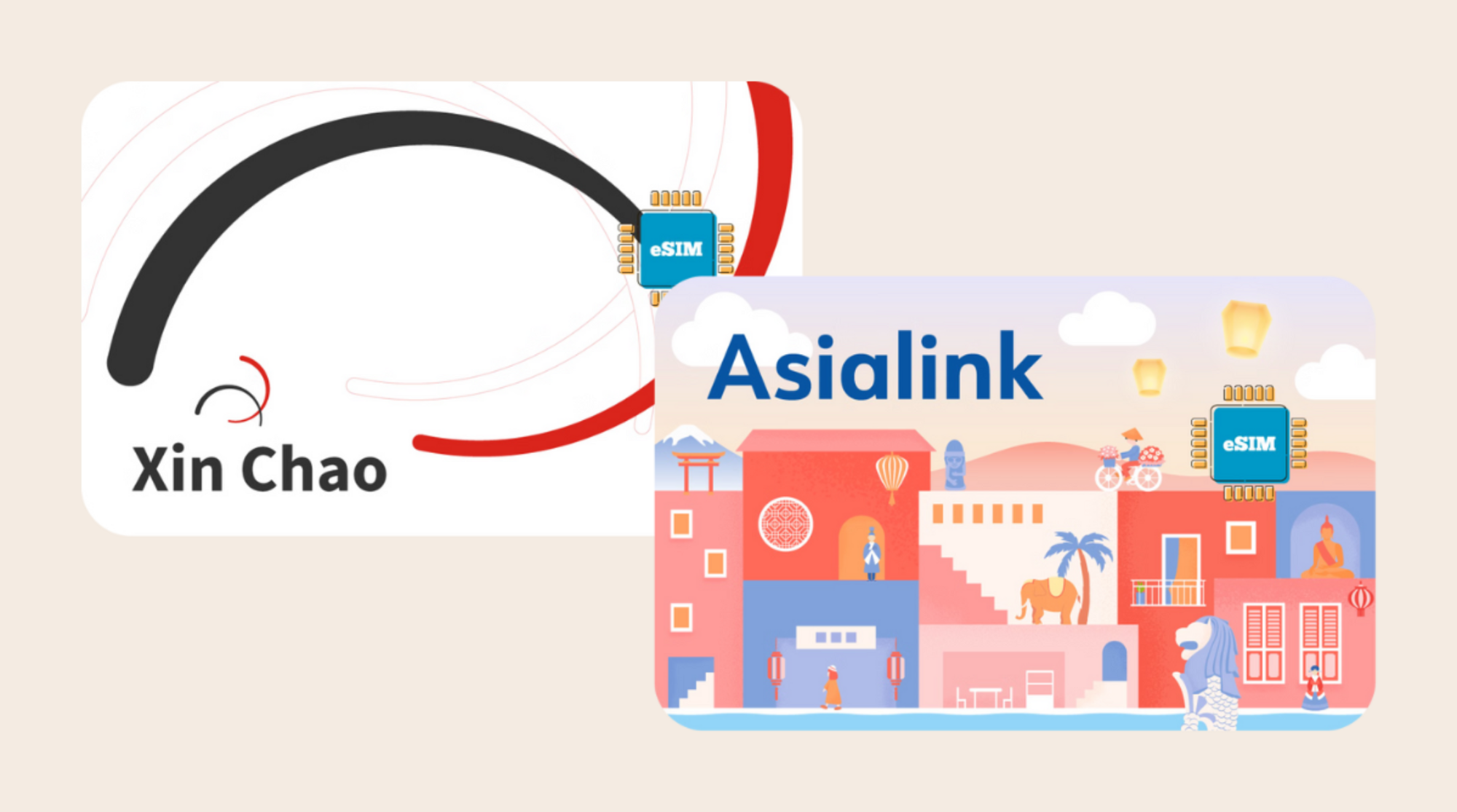
One last thing I never skip is connectivity. Set up a Vietnam eSIM before you fly, or grab an Asia eSIM if Vietnam is part of a bigger route.
When you’re connected the moment you land, you can pull up your hotel, book a ride, translate what you need, and breeze through arrival with way less stress.
Visa handled. Connection ready. Dramatically smoother trip.
Frequently Asked Questions About Vietnam Visa Requirements for Indians
Does Vietnam (Việt Nam) require a visa for Indian passport holders?
Yes. Indian citizens generally need a visa (thị thực) to enter Vietnam (Việt Nam), even for short tourist trips.
How long is Vietnam e-visa processing time (thời gian xử lý thị thực điện tử)?
It often takes a few working days, but you should apply earlier than you think you need to, especially during peak travel seasons.
Is Vietnam visa on arrival (thị thực tại cửa khẩu) a good option for Indians?
It can work if you already have an approval letter and you’re flying into a major international airport. Most travelers prefer the e-visa because it removes extra steps after landing.
Can I get an urgent Vietnam visa from India?
Expedited options exist through paid services, but they usually cost more. If you’re last-minute, prioritize legitimacy and accuracy so you don’t trade speed for problems.
What is the best visa option for tourism?
For most travelers, the Vietnam e-visa (thị thực điện tử) is the easiest and most reliable option, especially for straightforward trips.
Is a business visa (thị thực doanh nghiệp) different from a tourist visa (thị thực du lịch)?
Yes. Business travel usually involves different requirements and should match the purpose of visit. Always choose the visa type that reflects what you’re actually doing to avoid trouble at immigration