


Going whale watching in Europe is easier than you might think. European waters are home to resident populations of sperm whales and regularly host migratory species such as humpbacks, fin, and blue whales. But there are only a handful of places where you can regularly see them.
For the most reliable encounters, head to Norway, Iceland, or Portugal. There’s more to see than just whales if you time your visit around bonus sights like puffins, dolphins, or even the Northern Lights. In this guide, we cover exactly where to see whales, when to see them, and the different species you can see in Europe.
Where To See Whales in Europe
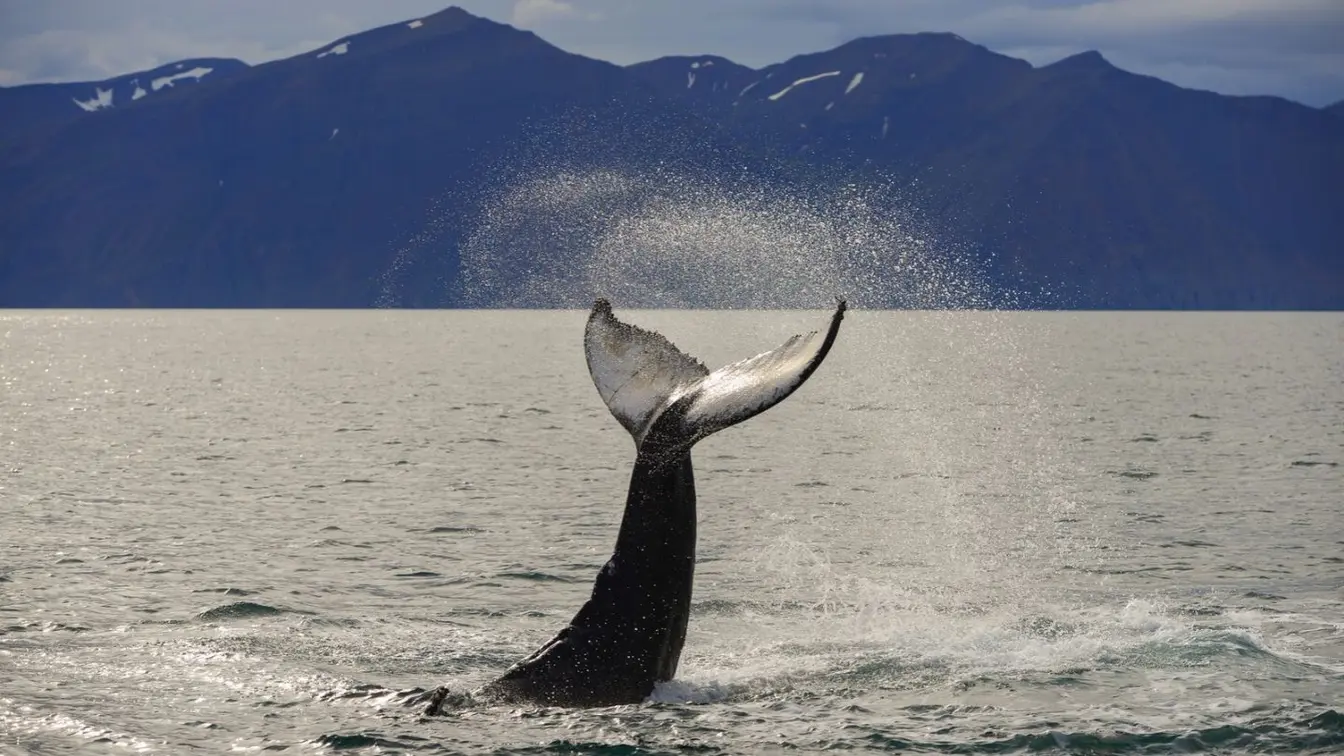
You can see whales in a range of European destinations, spanning from the deep-sea fjords of Norway to the remote North Atlantic waters of the Azores. We’ve handpicked the best places to go whale watching in Europe for near-guaranteed sightings and the chance to encounter rare visitors like blue whales.
Húsavík: Iceland’s Whale-Watching Capital
The small town of Húsavík in northern Iceland is famous for its reliable humpback whale sightings. Movie buffs might recognise it from Netflix’s Eurovision, starring Will Ferrell, but the world-class whale-watching tours have long been the town’s main draw.
When Is the Whale-Watching Season in Húsavík?
Húsavík’s whale-watching season runs from March to November, peaking between May and September when abundant plankton and krill attract feeding whales to Skjálfandi Bay.
What Species Can You See in Húsavík?
You’re most likely to see humpback and minke whales, white-beaked dolphins, and harbour porpoises in Husavik, but blue and fin whales and orcas are occasionally seen in Skjálfandi Bay.
The humpbacks are the stars of the show, most regularly seen feeding at the surface before diving down, but are occasionally seen breaching and tail-slapping in the bay.
If you visit Húsavík between April and August, take advantage of combined puffin and whale-watching tours, which take you to Lundey (also known as Puffin Island) to see thousands of nesting seabirds alongside your search for cetaceans.
What Types of Boats Are Used for Tours?
Boats range from schooners (historic Icelandic sailing ships) and carbon-neutral vessels to high-speed RIBs that offer up-close encounters.
The Azores: Remote Whale-Watching Hub in the North Atlantic
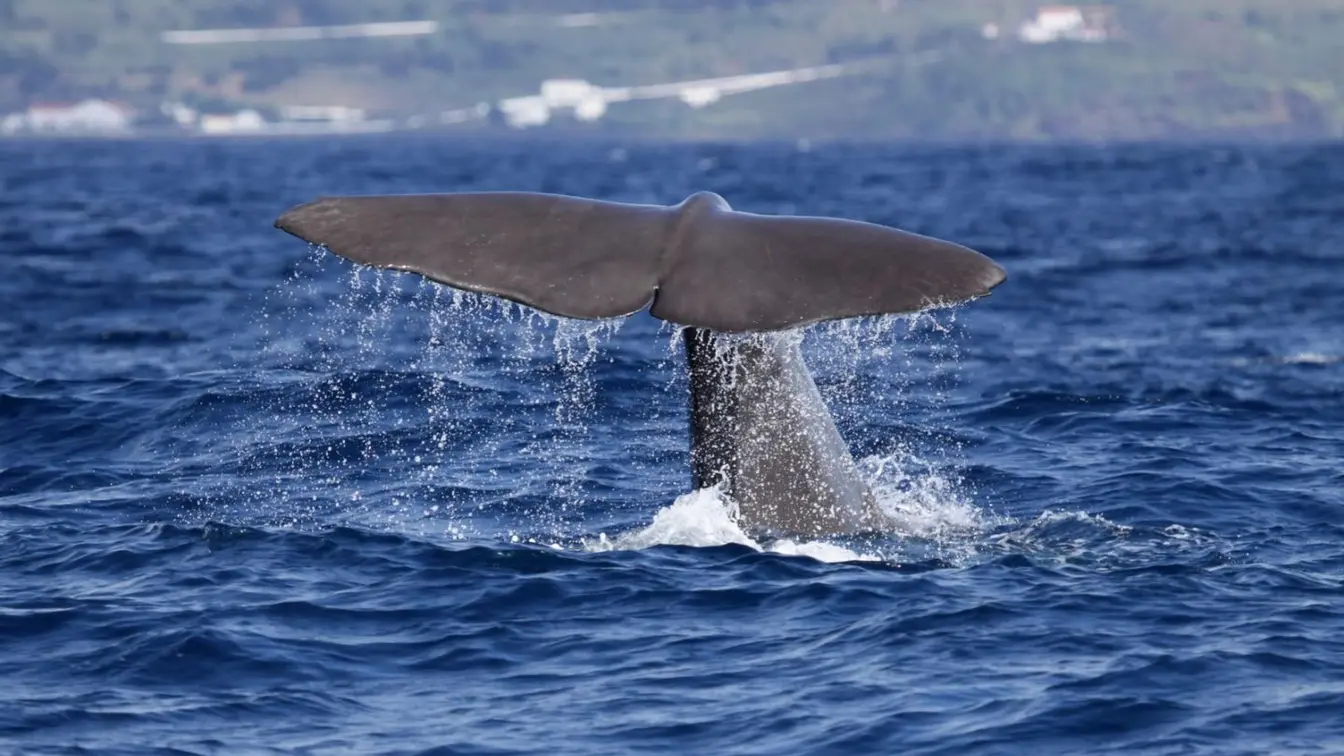
The Azores sit in an isolated spot in the North Atlantic Ocean, and this remote location makes the archipelago an excellent place to see whales.
What Whale Species Are Found in the Azores?
Sperm whales are the only year-round resident whale species in the Azores, but spring brings several migratory visitors, mainly blue, fin, and sei whales.
These seasonal arrivals make spring the main whale-watching season in the Azores, and give you the best chance of spotting multiple species in one trip. Other types less commonly sighted throughout the year include minke, Bryde’s, humpback, and northern bottlenose whales.
Beyond whales, the Azores are also home to resident pods of bottlenose, Risso’s, and common dolphins. A single pod can contain more than 100 individuals, and the summer months see the arrival of migratory species, including striped and Atlantic spotted dolphins.
What Are the Best Islands for Whale Watching in the Azores?
São Miguel Island and Pico Island are the best islands for whale watching in the Azores. Operators run tours on catamarans, speedboats, and RIBs, and sightings are so reliable that some companies even offer a complimentary second trip if you don’t see any cetaceans.
Back on dry land, the Whaler’s Museum in Lajes do Pico is a poignant reminder of the now-banned practice of whaling in the Azores, which has been replaced by the archipelago’s thriving whale-watching industry.
Madeira: Year-Round Pilot and Sperm Whale Encounters
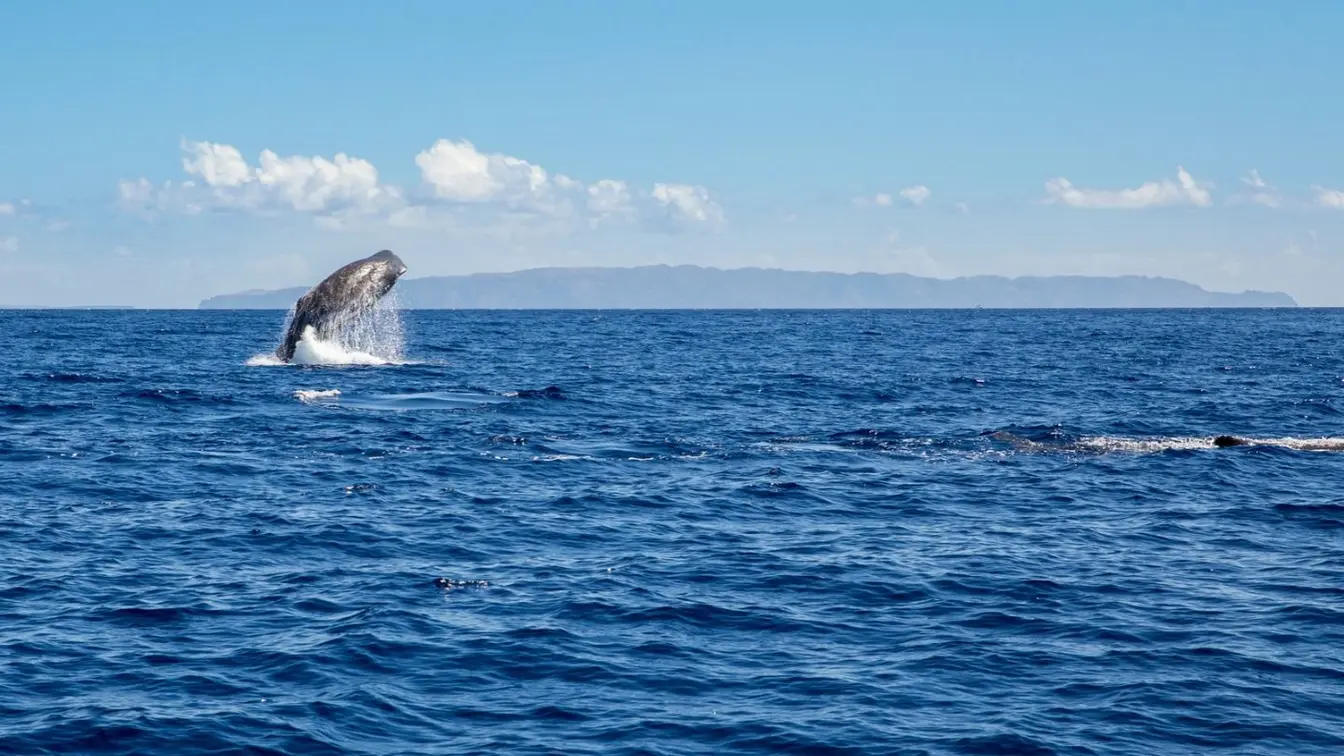
Pilot and sperm whales are permanent residents in Madeira, so you’ll have a strong chance to see whales whenever you choose to visit.
When Is Madeira’s Whale-Watching Season?
Madeira’s peak whale-watching season is from April to October, when you can see migratory visitors such as Bryde’s, fin, and sei whales, alongside the resident short-finned pilot whales (which are actually dolphins), and sperm whales that stay in Madeira throughout the year.
Madeira is also one of just a few places in Europe where you can spot blue whales — the largest animals on Earth — although sightings are extremely rare and are mostly confined to spring (March to May).
Operators generally use catamarans or RIBs, with the latter getting you closer to the action and using their speed to reach sightings quickly.
Where To Go Whale Watching in Madeira
Most whale-watching trips depart from Funchal and use land-based spotters to ensure high sighting rates, though tours also depart from Calheta and Machico.
While you’re in Madeira, make sure to explore the island’s unique levadas, a historic network of irrigation channels that double as scenic walking trails. These pathways offer sweeping views of the island’s mountainous landscape, but it’s wise to have a Portugal eSIM to ensure you stay on the right route.
Tromsø and Skjervøy: Winter Whale Watching in Norway
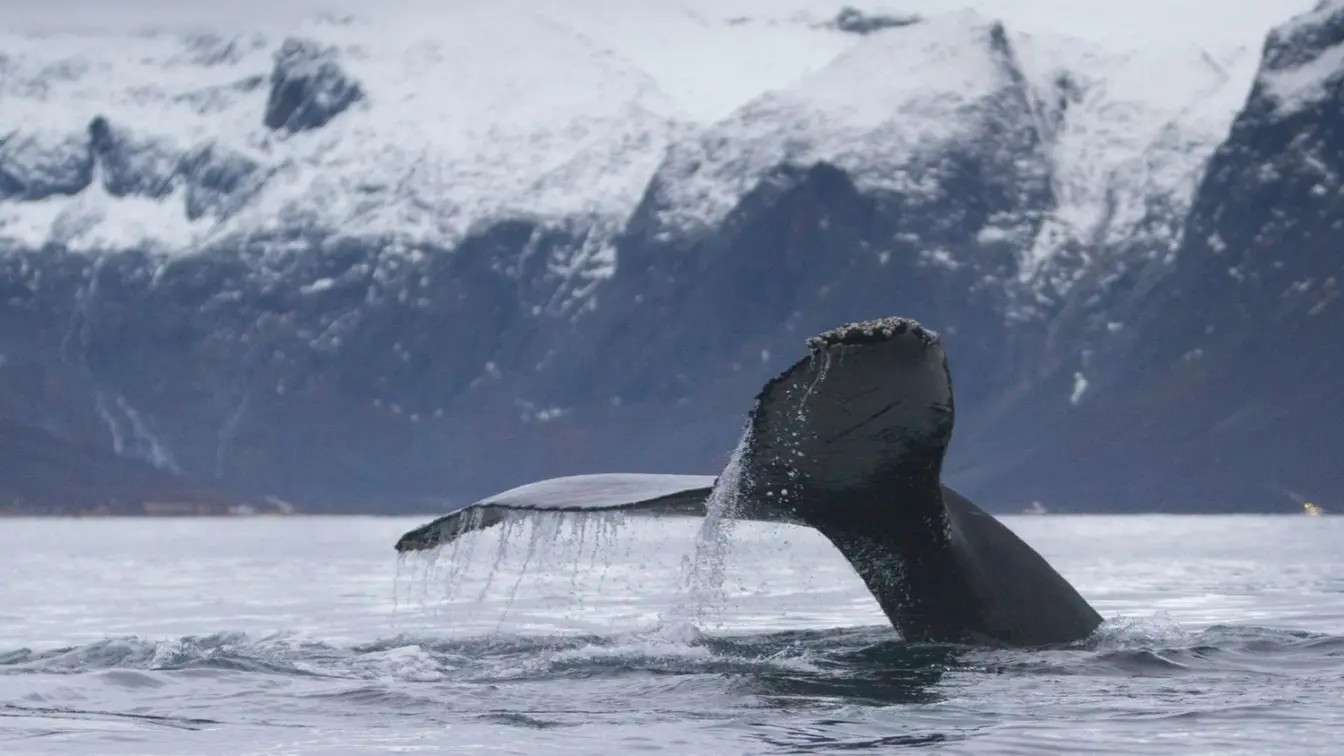
Experience wild fjord scenery and extraordinary whale encounters with a trip to the Arctic Circle in Northern Norway. If luck is on your side, you’ll also catch the Northern Lights swirling high above the mountains.
When Is the Best Time To See Whales in Northern Norway?
The best time to see whales in Northern Norway is during winter. From late October through January, the fjords around Tromsø and Skjervøy become feeding grounds for majestic humpback whales and orcas, and occasional fin whales.
In recent years, sperm whales have even been seen in the waters around Skjervøy. They’re most reliably seen during February, but do make sporadic appearances during the peak season too.
For much of the season, daylight is limited to just a few hours of twilight, with the snow-covered peaks bathed in the soft light of the Arctic winter.. Even though the sun stays below the horizon, it rarely hinders encounters, ensuring reliable whale sightings on most trips.
An added benefit of whale watching in Norway during winter is the chance to see the Northern Lights. Like whale sightings, the Aurora Borealis is never guaranteed, but with some luck, you'll get to see swirling greens and purples dancing above the fjords in the night sky.
Reykjavík: Easy-Access Whale Safaris in Iceland
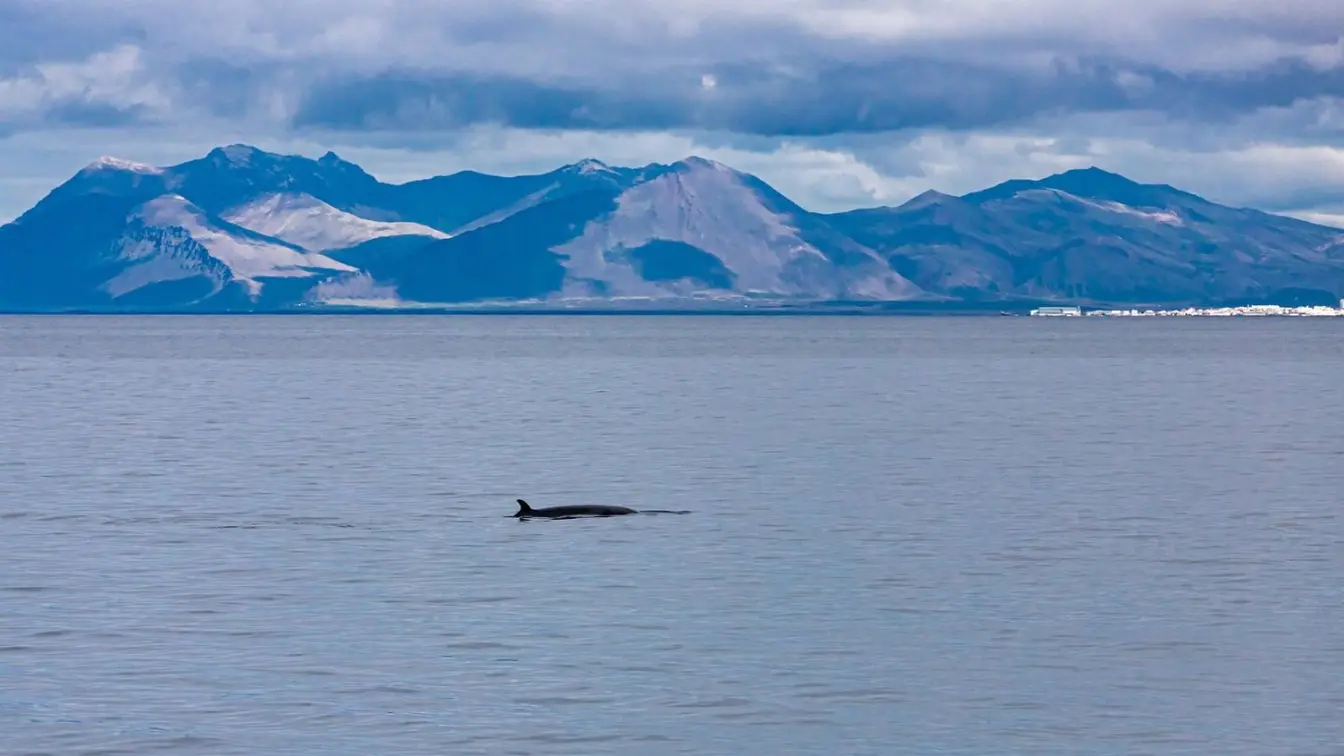
Reykjavík is a convenient base for exploring Iceland’s Golden Circle, and it’s also the starting point for some of the most accessible whale watching in Europe. Tours depart from the city’s Old Harbour all year round in search of whales and dolphins in Faxaflói Bay.
When Is the Best Time To Go Whale Watching in Reykjavík?
Reykjavík’s main whale-watching season runs from April to October, with June through August offering regular sightings of humpback and minke whales, as well as white-beaked dolphins and harbour porpoises.
Summer provides the most pleasant sailing conditions thanks to calmer seas, and tours between May and August often include a stop at nearby islands to see nesting puffins.
Although whale safaris from Reykjavík are still a great addition to your Iceland itinerary during the winter months, you’ll need to prepare for bitterly cold temperatures (with average lows of -2°C) and rougher seas, which also bring a risk of cancellation in cases of extreme weather. But, for those who do take a trip between November and March, there’s a better chance of spotting orcas, as well as a unique opportunity to combine a whale-watching trip and Northern Lights cruise into one excursion.
How To Choose an Ethical Whale-Watching Operator
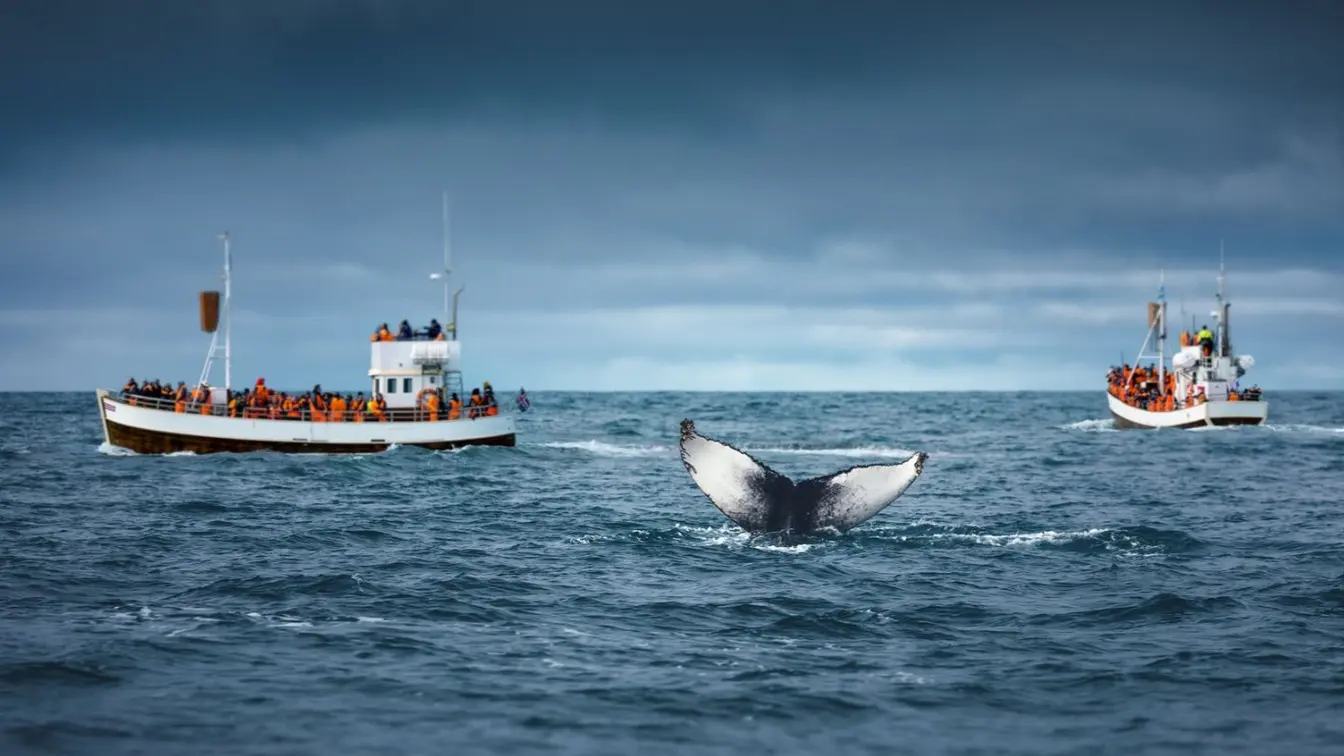
You can identify an ethical whale-watching operator by checking their website for certifications and information on tour practices. Responsible companies often display credentials from bodies like the World Cetacean Alliance (WCA) and follow strict guidelines, such as maintaining a respectful distance and limiting the duration of each encounter to prevent causing whales stress.
Directs to Airalo help center for more support information.
Opens chat with Airalo support on WhatsApp.