


Between hiking around Santa Ana's turquoise crater lake and surfing at El Zonte Beach, more and more travelers are exploring the best things to do in El Salvador. Our exclusive 2026 Summer Travel Report reveals that the country saw a 37% year-over-year spike among US international travelers.
If you want to drive the Ruta de las Flores with its wildflower-lined roads or visit UNESCO-listed ruins of an ancient Mayan farming village before the crowds keep growing, we've got you covered. Here is what not to miss in El Salvador:
Joya de Cerén Archaeological Site
1. Ruta de las Flores
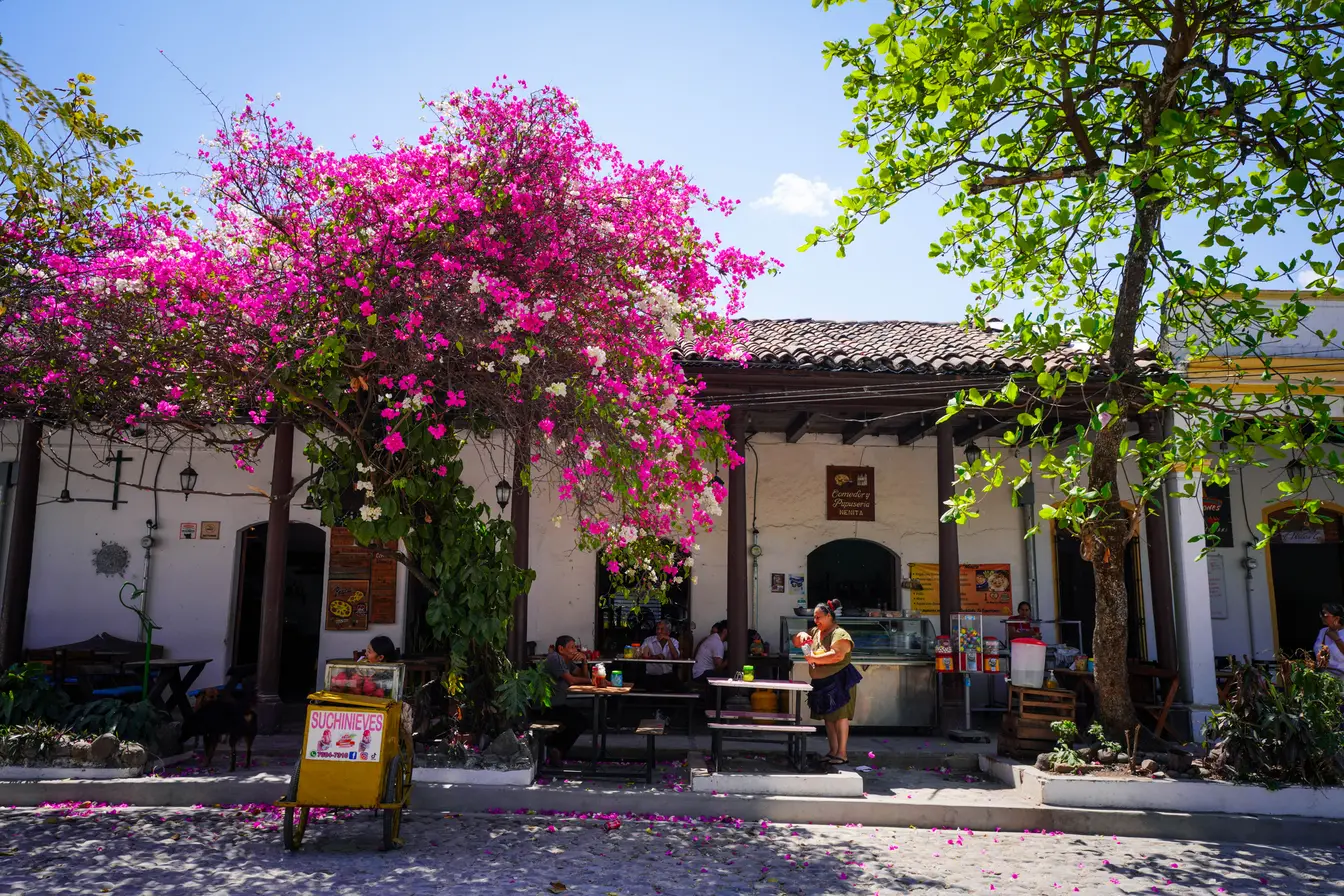
Ruta de las Flores is a 20-mile scenic highway passing through a chain of picturesque mountain towns. Named after the wildflowers that bloom along the route from November to February, the area is famous for its specialty coffee, cooler temperatures, and colonial towns. If you're coming from San Salvador, start your journey in Sonsonate (about a 1.5-hour drive from the city) and end it in Ahuachapán, then make your way through these five distinct towns:
- Nahuizalco: Known for its rich Pipil indigenous roots, traditional wicker and tulle crafts, and a unique candle-lit night market.
- Salcoatitán: A quiet stop famous for its over 300-year-old Ceiba tree and street vendors selling fried yuca.
- Juayúa: Renowned for hosting the massive outdoor Feria Gastronómica (Food Festival) every weekend on the central plaza, as well as the trailhead for the Seven Waterfalls trek.
- Apaneca: At nearly 5,000 feet above sea level, the highest town on the route, known for extreme adventure sports like ziplining, high-elevation specialty coffee plantations, and the volcanic crater lake Laguna Verde.
- Ataco (Concepción de Ataco): A photogenic town with cobblestone streets, brightly painted murals, and a textile workshop at Axul Artesanías.
Insider Tip for the Ruta de Las Flores
Plan your Ruta de las Flores itinerary so you are in Juayúa on a Saturday or Sunday to enjoy its Food Festival. Try grilled meats, seafood, pupusas (local stuffed flatbread), and local drinks like piña loca (or crazy pineapple), a slushy pineapple drink served directly in the hollowed-out fruit.
2. Joya de Cerén Archaeological Site
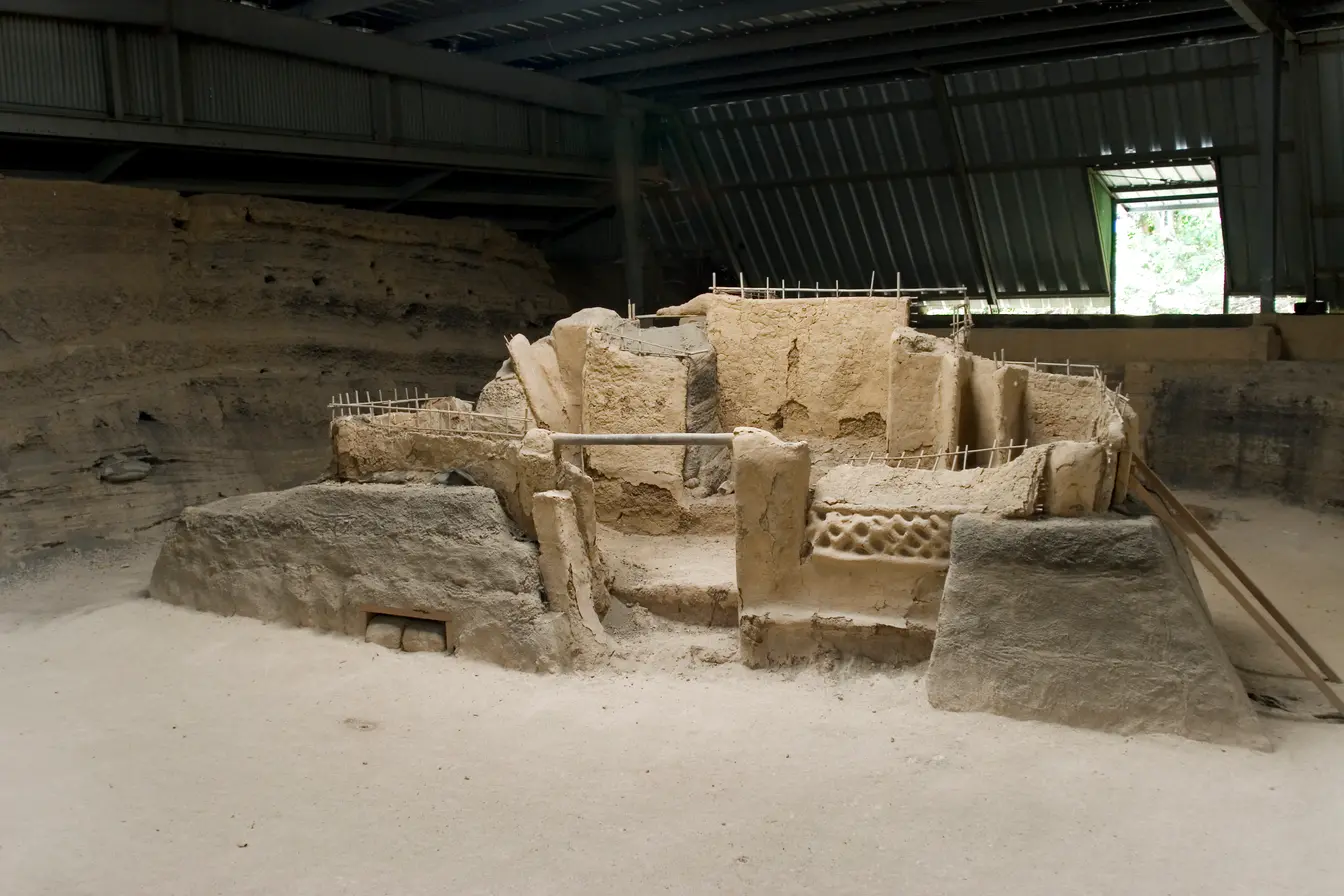
Joya de Cerén Archaeological Site is a UNESCO World Heritage Site located in the Zapotitán Valley. This farming village for common Mayan people was buried by the eruption of the Laguna Caldera volcano around 600 AD. Ash preserved key elements like a kitchen, a sweat bath, a shaman's structure, and storehouses. If you have time, don’t miss out on the air-conditioned museum to see beautifully preserved artifacts and learn about Mayan history.
Insider Tip for the Joya de Cerén Archaeological Site
Combine your visit to the Joya de Cerén Site with the San Andrés Archaeological Park (about a 15-minute drive). While Joya de Cerén preserves a modest farming settlement, San Andrés showcases the grander side of Maya power, with impressive grass-covered step pyramids.
3. El Zonte Beach
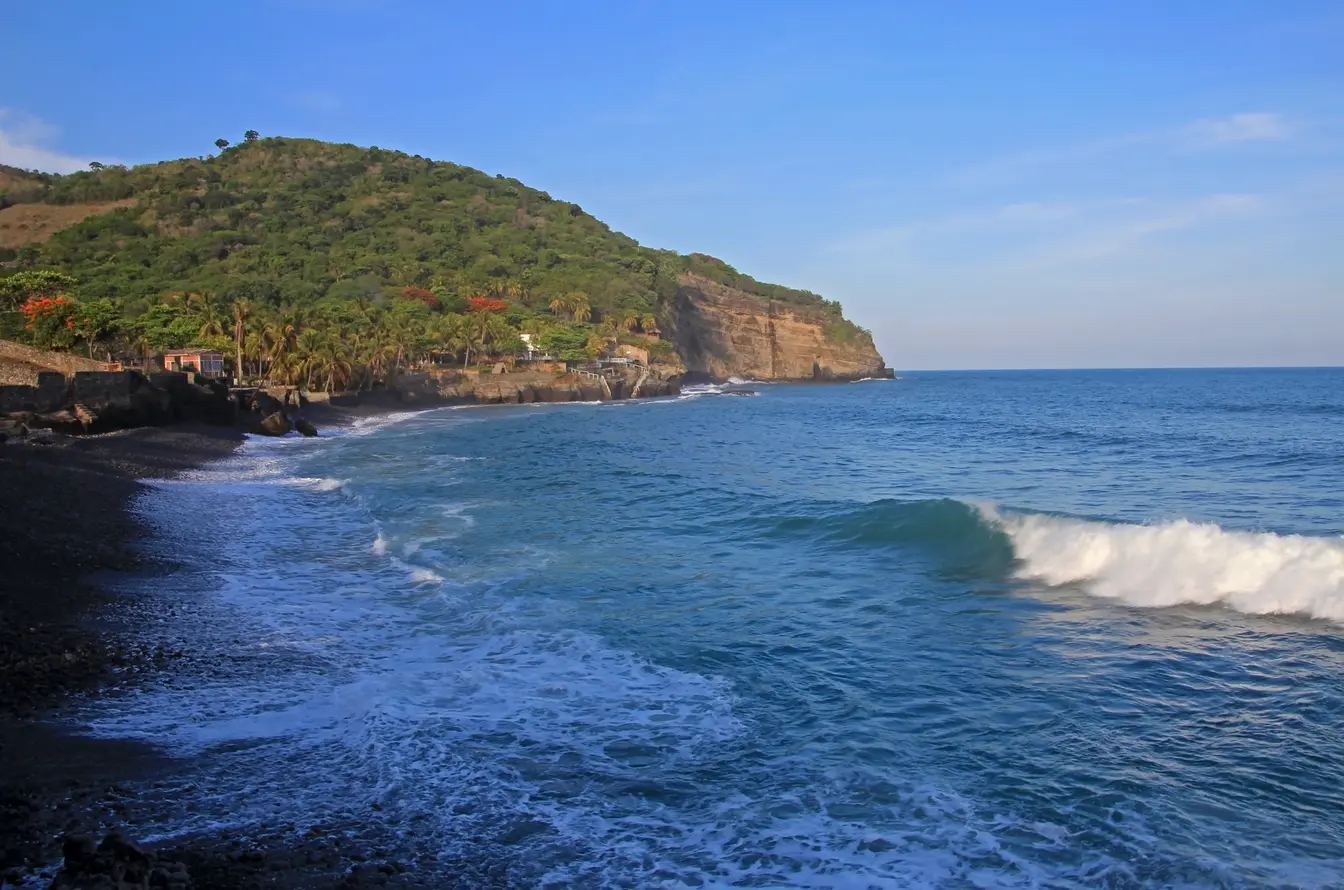
El Zonte is a laid-back coastal town in La Libertad, known for its dark volcanic sand, surfing waves, and sea caves. It's also called "Bitcoin Beach" after an anonymous cryptocurrency donation in 2019 prompted the town to begin accepting Bitcoin for everyday purchases.
Situated less than a 20-minute drive from El Tunco, it's a quieter, more bohemian alternative with beachfront cafes, hotels, and two main beach zones separated by a river:
- The East Side Beach: A rocky beach with powerful surfing waves.
- The West Side Beach: A softer sand beach with calmer waves for swimming or beginner surfing.
Insider Tip for El Zonte Beach
If you plan to swim or surf at El Zonte, bring water shoes to protect your feet from the rocks.
4. Santa Ana Volcano Hike
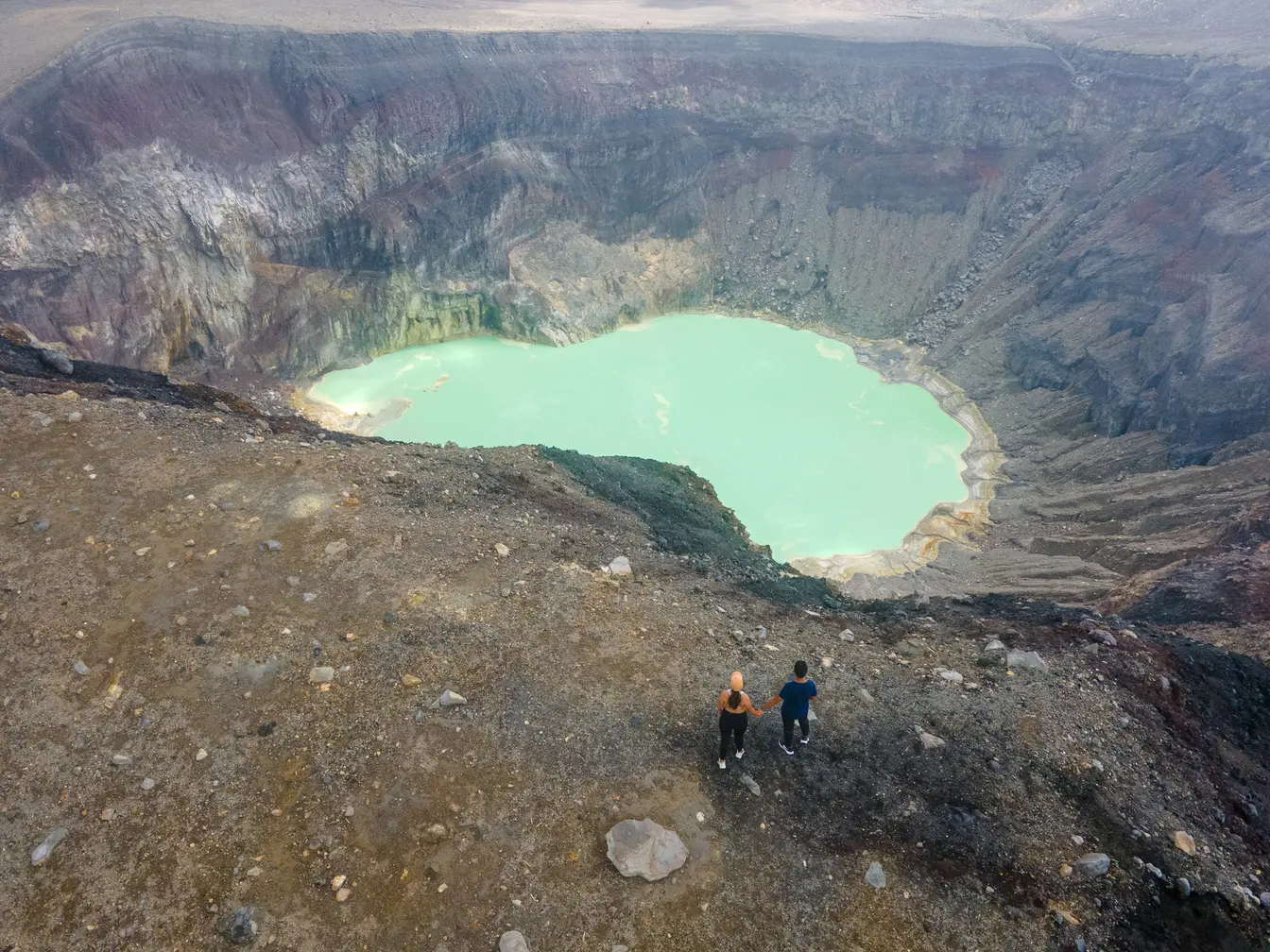
The Santa Ana Volcano Hike (Volcán Ilamatepec) is a climb through a cloudy tropical forest that leads directly to a neon-turquoise crater lake at the summit. To reach the trailhead, head to Cerro Verde National Park—bus 248 runs directly from Santa Ana to the park entrance. The trail is 4.6 miles round-trip with an elevation gain of roughly 1,500 feet and takes about 3 to 3.5 hours. On a clear day, you'll be rewarded with views of neighboring Izalco Volcano and Lake Coatepeque below.
Insider Tip for the Santa Ana Volcanic Hike
Bring a small amount of cash for the park entrance and the mandatory guide fee. Be sure to arrive at the park before 9:30 AM to register and join the official morning group hike leaving at 11 AM. You can also hire a private guide, but last entry remains well before noon.
For more volcano hikes, add a trip to Costa Rica's Arenal Volcano National Park to your Central America itinerary.
5. Centro Histórico de San Salvador
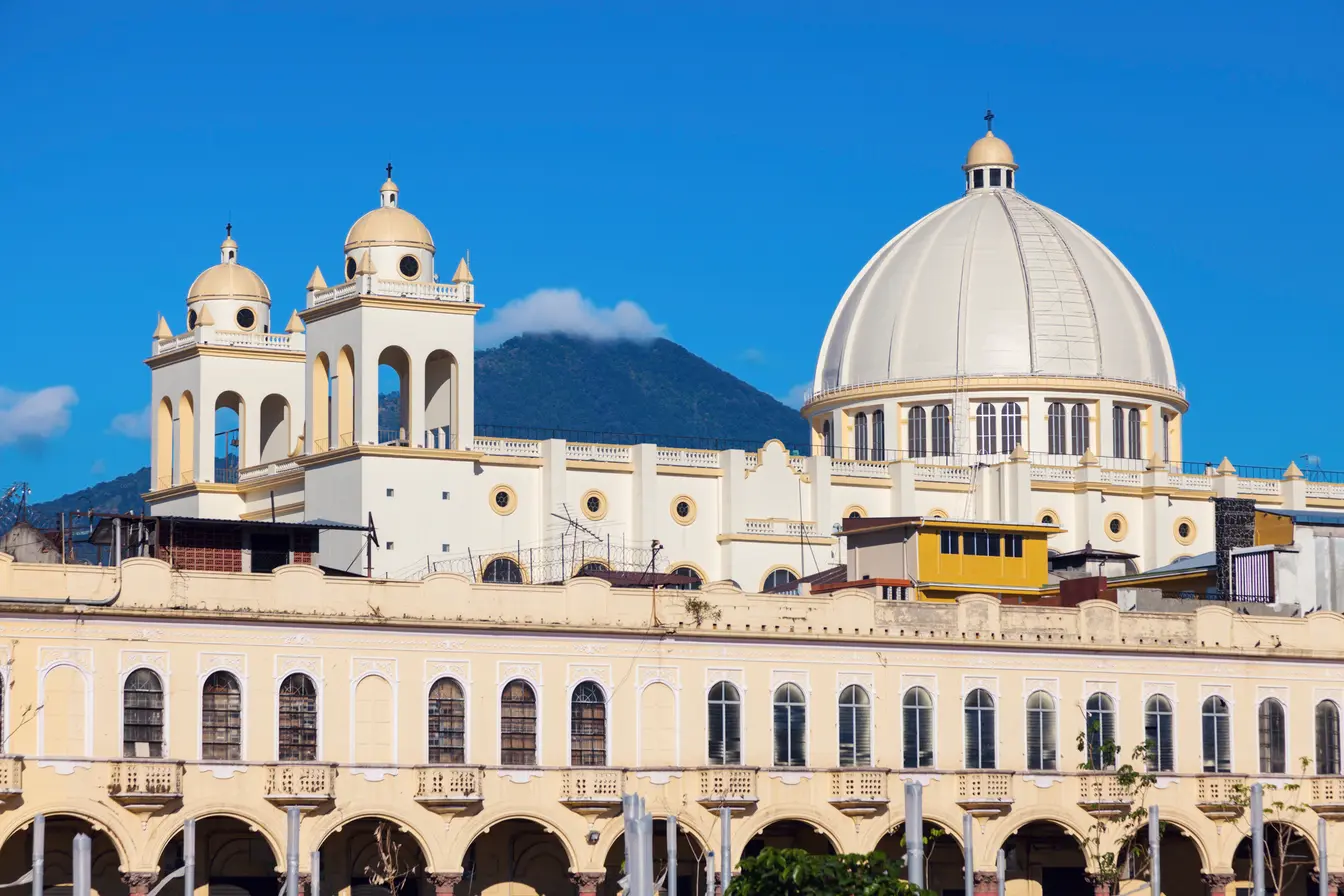
The Centro Histórico de San Salvador centers on three landmark plazas within walking distance, each surrounded by the city's most historically significant buildings.
- Plaza Barrios: A public square with a statue of former president Gerardo Barrios at its center. Visit the Metropolitan Cathedral to view the burial site of Saint Óscar Romero, an archbishop assassinated in 1980 during the country's political crisis, then admire the National Palace's neoclassical architecture. Or check out the ultra-modern National Library, open 24/7, for books but also video games.
- Plaza Libertad: One of the city's oldest public squares with the 1911 Monumento a los Próceres (Monument to the Heroes) and the modernist Iglesia El Rosario, an unassuming concrete church with rainbow-light stained glass.
- Plaza Morazán: Check out the statue of former president of the Central American Federation Francisco Morazán, the National Theater, and grab ice-cream or Mexican-style tacos in local shops.
Insider tip for San Salvador's Historic Center
Check out the National Library of El Salvador's rooftop for views of the Metropolitan Cathedral and historic center.
6. El Boquerón National Park
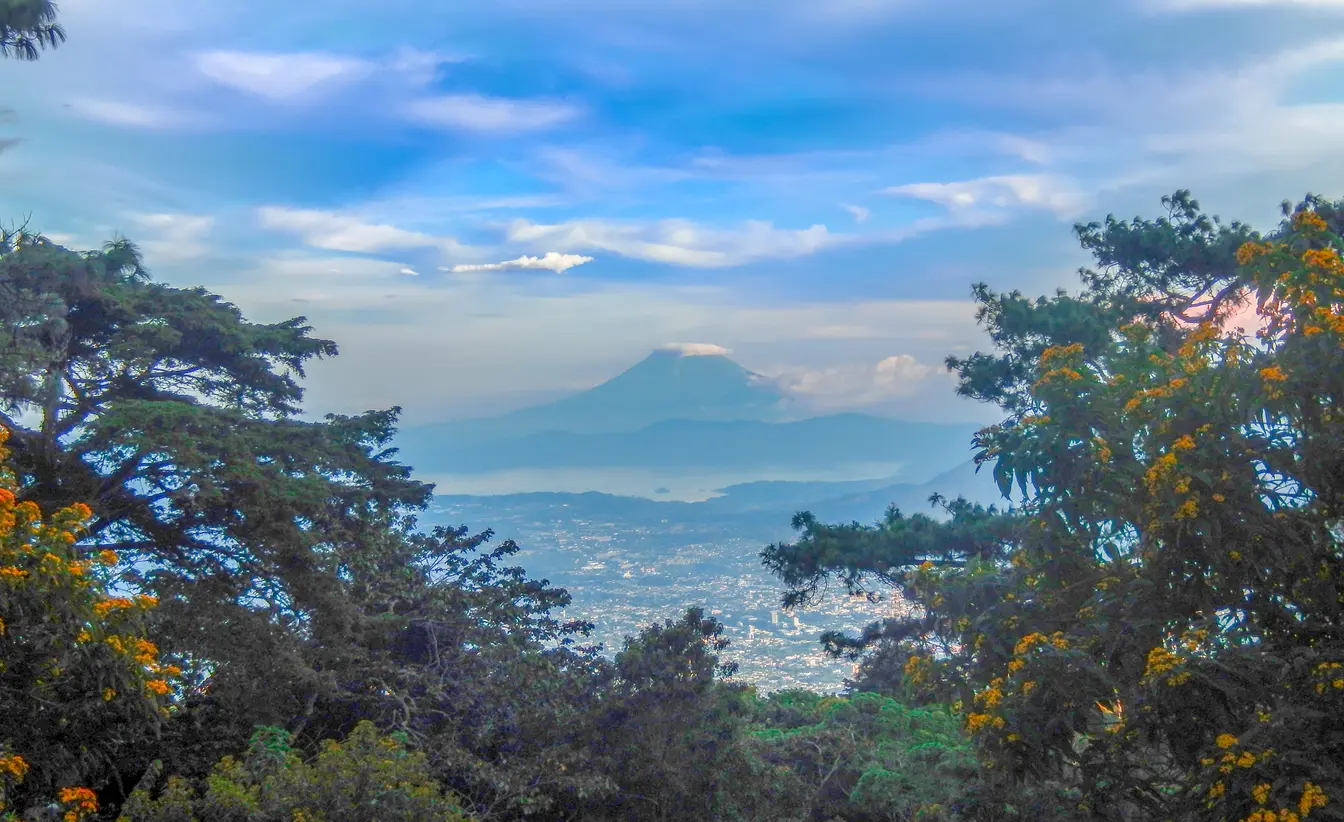
El Boquerón National Park is located atop the San Salvador Volcano at over 5,900 feet (around 1800 meters) above sea level, about a 45-minute drive outside the capital. The park's main feature is a massive crater dropping 1800+ feet (around 550 meters) deep, containing "El Boqueroncito," a smaller secondary volcanic cone that formed during the 1917 eruption. A 20-minute walk up stairs leads you to a viewpoint of the crater from a see-through platform.
Insider Tip for El Boquerón National Park
After your hike through El Boquerón National Park, stop at Plaza Boquerón for some local pupusas, a flatbread stuffed with ingredients like cheese and meat.
Directs to Airalo help center for more support information.