


Sorting your packing list for Thailand isn't exactly the most glamorous part of your trip, but getting it right means less stress and more time for what actually matters: soaking up the sun and challenging your taste buds to a whole new level of spice.
It’s easy to miss some important things, whether it’s something as simple as sunscreen or a power bank to keep your phone charged on the go. Even essentials like completing your online arrival form or setting up a Thai eSIM can slip your mind when you’re busy looking forward to island hopping and exploring night markets.
Here's what to pack for Thailand, as well as a few things to leave at home to ensure a hassle-free trip.
Terms & Conditions apply.
What To Pack for Thailand
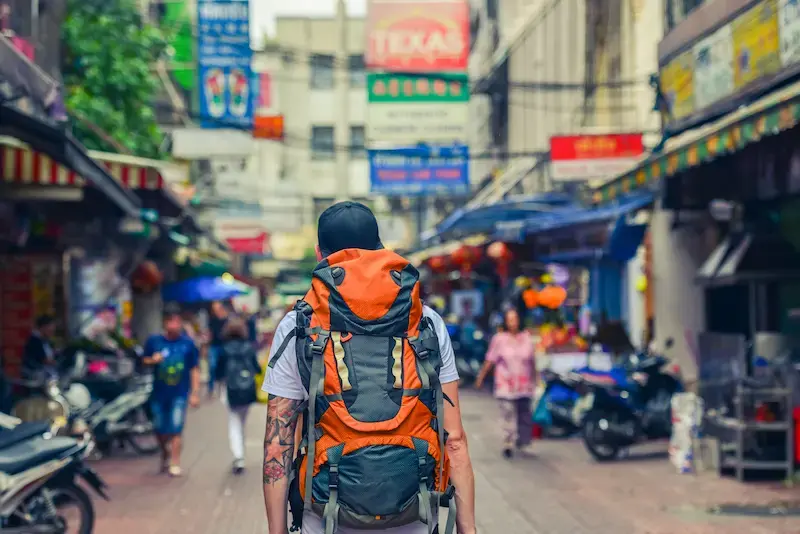
Thailand trips can vary wildly. A beach week in Koh Samui looks very different from a month-long workcation in Chiang Mai, but these essentials cover every kind of trip.
Thailand Travel Essentials: Documents, Connectivity and Safety
Passport
This pretty much goes without saying, but you won’t even make it into the country without it, so double check you have your passport before heading to the airport.
Travel Insurance Documents
Having easy access to your travel insurance information can save a lot of time and hassle if something goes wrong. At the very least, make sure you store your policy number and emergency assistance number digitally or somewhere safe in your bag.
eSIM
So technically, you can’t actually ‘pack’ an eSIM, but it’s one of the most important things to have for your trip. Having mobile data makes everything easier in Thailand, from booking taxi rides across Bangkok on Grab and tracking down the best red curry spots on Google Maps to keeping in touch with new friends on LINE.
It’s best to set up a Thailand eSIM before you arrive so you can get online almost the moment you land. That way, you can avoid the lines and steep prices for tourist SIMs at the airport.
Thailand Digital Arrival Card (TDAC)
All foreign visitors to Thailand need to complete a TDAC (Thailand Digital Arrival Card) on the Thai government website in the three days before arrival. After submitting it, you'll get a digital copy by email that you may need to show at immigration, so have it accessible on your phone or ready as a printout.
Day Bag

A small- to medium-sized day bag comes in handy for everything from temple visits and beach trips to ferry journeys and overnight trains. What to pack in it depends on your plans, but having some essentials on hand is helpful.
Pro tip: My day bag go-tos are a water bottle, power bank, mosquito repellent, sunscreen, and toilet roll — which comes in handy more often than you'd expect.
Insulated Water Bottle
Thai heat can be intense, particularly during the summer (roughly March to May). Staying hydrated is essential, so an insulated water bottle should be at the top of your Thailand packing list. That way, you’ve always got cold water with you, which is especially useful in national parks and other areas where there aren’t 7-Elevens on every corner.
Travel Card
If possible, try to get a travel card that doesn’t charge additional fees for withdrawing cash or making payments abroad. Foreign transaction fees quickly add up, and are a surefire way to make your time in Thailand much more expensive.
Most ATMs in Thailand charge a 350 baht withdrawal fee for foreign cards, but a good travel card helps avoid extra conversion fees on top of this. If you're given the option, always choose to pay and withdraw in baht rather than your home currency, as you'll almost always get a better rate.
Cash is king in Thailand, so if you can’t make fee-free payments abroad, make sure to exchange enough currency for your trip.
Padlock
If you’re going to be staying in hostels in Thailand, a padlock is a must-have to keep your valuables safe. Some hostels provide lockers, but in those that don't, padlock your bag for peace of mind.
What To Wear in Thailand: From Temples to the Beach
Temple Attire

Make sure you come prepared with suitable clothing for visiting temples. Temple dress codes are strict, with the general rule being that knees and shoulders should be covered. Avoid sleeveless tops and stick to longer, modest clothing on your lower half.
Some temples will let you borrow (or rent) a sarong if your clothing isn’t appropriate, but it’s best to dress respectfully from the start. You can then focus on the intricate beauty of temples like Wat Arun without having to worry if you'll be denied entry.
For men, a t-shirt and longer shorts work well, while women typically go for a t-shirt with a longer skirt or lightweight pants.
Flip-flops
It’s hard to imagine a trip to Thailand that doesn’t include at least one beach day. If you're going to be island hopping, or even just spending a day or two at spots like Koh Phi Phi, Phuket, or Koh Lanta, packing flip-flops is a must. The last thing you want is sandy shoes for the rest of the day.
Comfortable shoes
You’ll want comfy shoes for long days on your feet, particularly in Bangkok. Walking shoes work best for me, but anything you can wear all day without getting sore feet will do the job.
Hat and Sunglasses
It might not be the prettiest accessory to pack, but a hat is essential for protecting your head and face from the sun. Ideally, opt for something lightweight and breathable that dries fast from sweat or rain.
Sunglasses are equally important. Pack a pair with UV protection to keep your eyes safe during relaxing beach days and island-hopping adventures.
Shorts With Zip Pockets
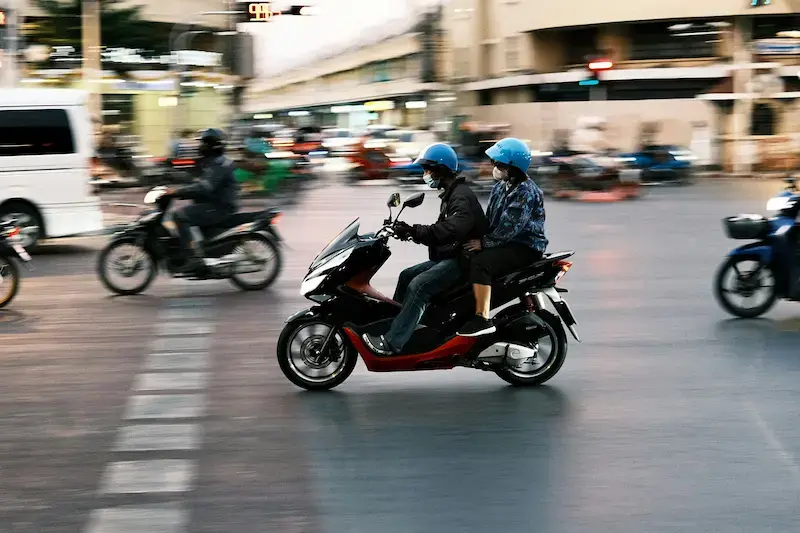
Mototaxi rides are almost a rite of passage in Bangkok. Weaving in and out of the chaotic traffic on the back of a motorbike can be pretty daunting at first, so the last thing you want to worry about is your phone or wallet falling out.
Wearing shorts with zip pockets helps prevent anything from falling out mid-ride. Just don’t forget to zip them up.
Sleep Mask and Earplugs
Sleep mask are a savior in rooms where the curtains don't fully block out the light. That tends to be more of a problem in guesthouses and hostels, but it can happen anywhere, so it’s best to be prepared. And, if you’re flying long haul, a sleep mask can be the difference between getting no sleep at all and a few hours of rest.
Pair your sleep mask with some earplugs for the best possible night's sleep, no matter where your trip takes you. Earplugs are especially valuable on loud overnight buses and trains, or if you end up with noisy hostel roommates.
Electronics and Accessories Worth Packing for Thailand
Adapter and Extension Lead
One of the top Thailand packing tips is to bring only one plug adapter and pair it with an extension lead. Some rooms in guesthouses and hotels have only one or two plug sockets, but this simple travel hack means you can easily charge all of your electronics at once.
Power Bank
Traveling anywhere without a power bank is risky. Somehow, phone batteries seem to drain at five times their normal speed when you're traveling, so it's always worth having a backup.
A power bank is even more important if you’re relying on an eSIM in Thailand. The inconvenience of your phone dying just when you need to book a taxi or look up directions just isn't worth it.
Pro tip: Ideally, you’ll want a power bank with a capacity of at least 10,000 mAh, which charges an average smartphone 2-3 times. I prefer the flexibility of having a 20,000 mAh capacity, so the power bank itself doesn’t need charging as often.
Waterproof Phone Case
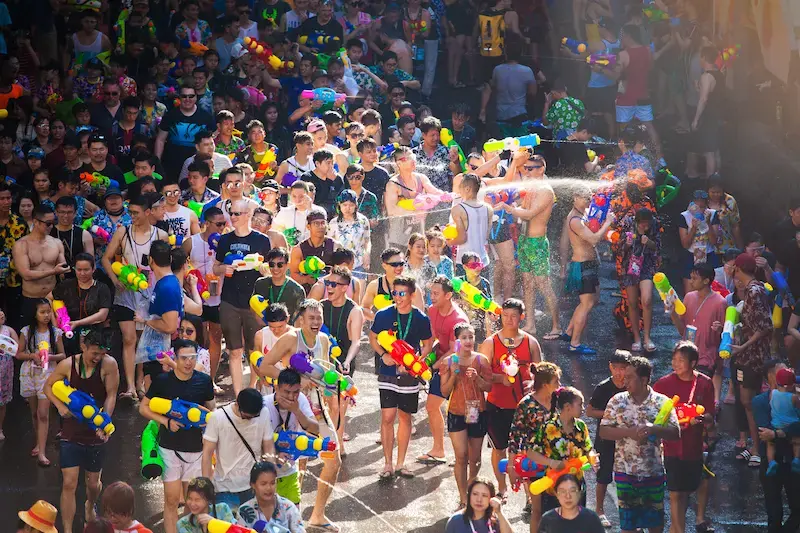
If you’re visiting during Songkran Festival, a countrywide water fight to celebrate Thai New Year, then a waterproof phone case should be right at the top of your packing list for Thailand. The festivities are all about washing away the past year and starting fresh, and millions take to the streets to join in the fun. Without a waterproof case, you run the risk of serious water damage to your phone.
But, it’s not just during Songkran that a waterproof case is worthwhile. It’s also a great way to keep your phone safe while taking photos in the sea or at the beach, and it can even be used while snorkeling if you don’t have a GoPro.
Packing Cubes
Packing cubes are a must-have if you want to keep everything organized while you’re on the move. Instead of having to search through all your luggage when you need something, you can sort everything into cubes so you can find it within seconds.
Neck Pillow
A neck pillow can be the difference between no sleep and a few hours’ rest on an overnight journey. Even on shorter trips, the extra comfort means you won't arrive at your next stop with a sore neck.
Toiletries and Medication for Thailand: What To Know Before You Pack
Reef-safe Sunscreen

If you’re going in the sea, reef-safe sunscreen is a must, whether you’re chilling at Phuket’s beaches or diving and snorkeling in Koh Tao.
First Aid Kit
A small first-aid kit is well worth packing. Hopefully you won't need it, but having basic supplies like painkillers, band aids, and antiseptic cream can be incredibly useful.
Insect Repellent and Bite Cream
Being prepared for mosquitoes is smart, especially if you're trekking through the jungle near Chiang Mai or exploring places like Kaeng Krachan or Khao Yai National Park. Mosquitoes don’t tend to be as prevalent in major cities, but it’s still worth having repellent on hand in case you hear that infuriating buzzing sound.
Pack bite cream too, which is a real lifesaver if you do end up getting bitten.
Electrolyte Sachets
If you happen to get ill on your trip, electrolyte sachets are a must to help you recover quickly. They’re easy enough to get in Thailand, but having them on hand makes all the difference when you're not feeling well.
Seasonal Packing: What To Bring for Thailand's Rainy and Hot Seasons
Umbrella
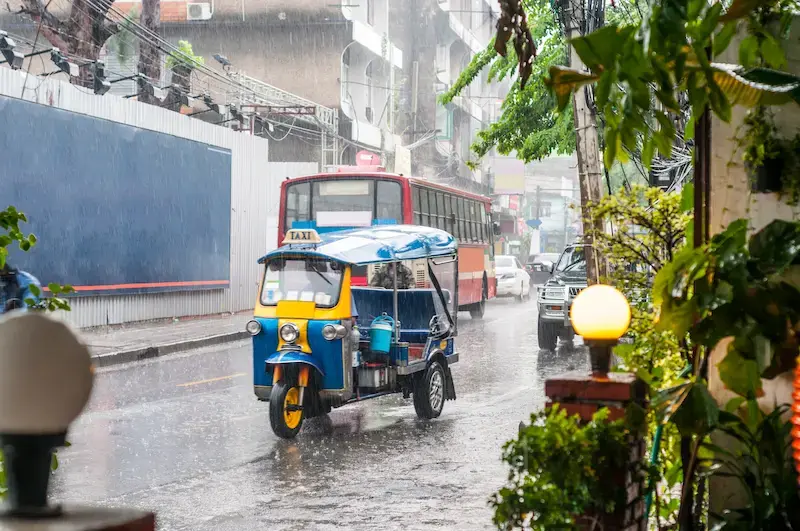
A compact umbrella is an excellent addition to your day bag during the rainy season (May to October), when downpours can be heavy enough to cause flash floods in Bangkok. You might think the rainy season isn’t the best time to visit Thailand, but it normally only rains for an hour or two each day. Still, you’ll definitely be glad you have an umbrella on hand when it comes down hard and fast.
It’s worth packing an umbrella during the hot season to stay shaded on the move and avoid the full force of the sun.
Portable Fan
During Thailand’s hot season (March to May), the heat can be pretty unbearable. When leaving the safe refuge of air-conditioned spaces, a portable fan makes a big difference. You’ll regret not packing one when you’re waiting on a BTS Skytrain platform in 35°C+ heat.
What NOT to pack for Thailand

Thailand has stricter rules than many travelers expect. These are the items most likely to cause problems at the border or during your stay.
Vapes
Vapes are illegal in Thailand, and even though it’s not uncommon to see people vaping, doing so comes with a risk of a heavy fine or even jail time. In Bangkok, police checkpoints regularly search for vapes, and having one with you can quickly ruin your trip.
Certain Medication
Before packing any medication, visit the Thai FDA website to check whether it’s legal in Thailand. Some medications, such as Adderall and Sudafed, that are legal in other countries can be restricted or completely illegal.
In some cases, you’re allowed to bring in a 30-day supply of restricted medication if you can present a valid prescription. If you’re on regular medication, don’t make the mistake of assuming you can bring it with you. Always check in advance.
Drones
Flying a drone in Thailand requires advance registration and liability insurance, so unless you’re really keen to get aerial shots, it’s easier to give it a miss on short trips. If you really want to take your drone, you can find all the information you need on the Civil Aviation Authority of Thailand (CAAT) website.
Directs to Airalo help center for more support information.
Opens chat with Airalo support on WhatsApp.