
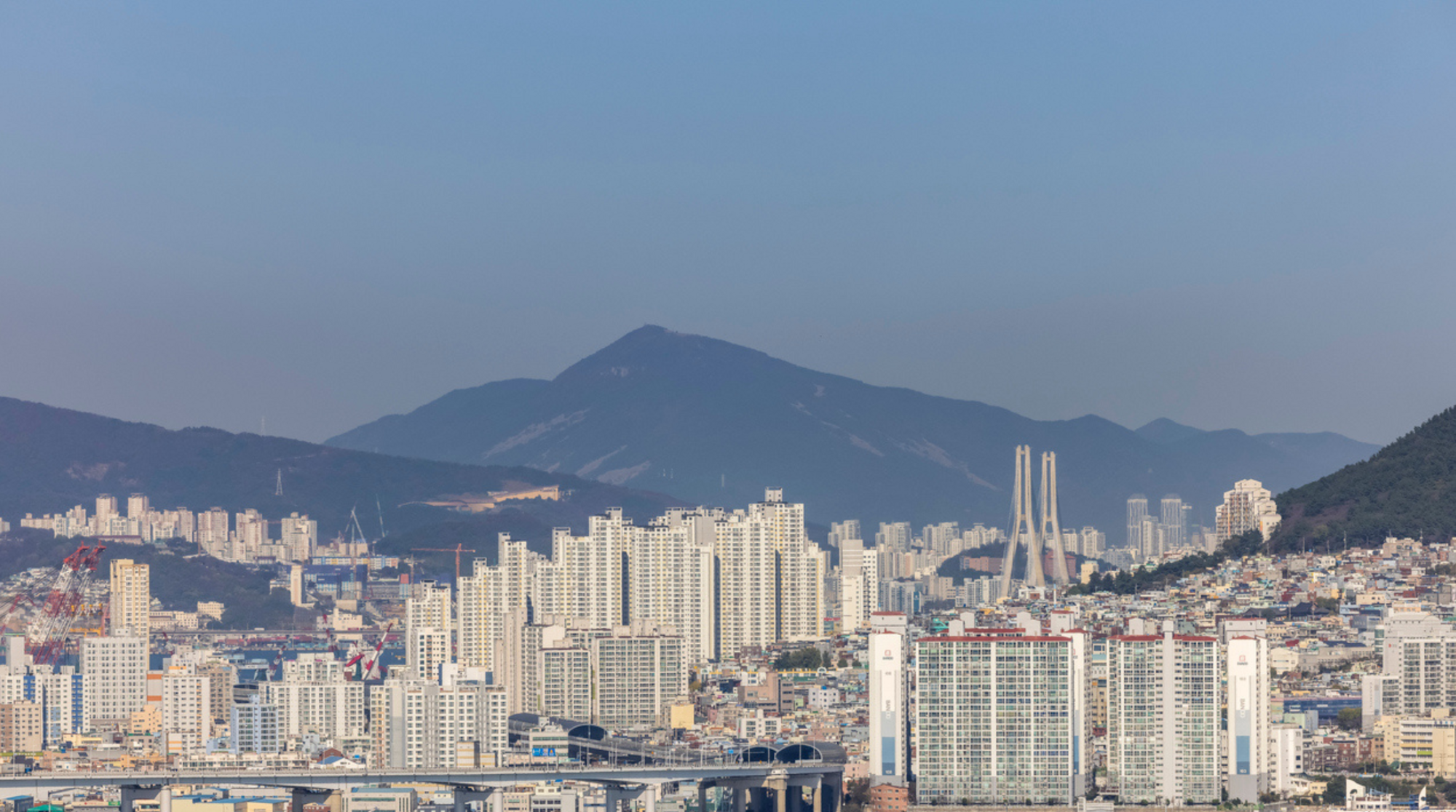
Nigel Seah has extensive experience travelling through South Korea and shares his adventures and insider tips with us below.
A day trip from Seoul to Busan is one of the best day trips you can do without too much hassle and planning.
Busan is just over two hours from Seoul by high-speed train, and this is your realistic one-day itinerary that hits Busan's main attractions.
I'll cover how to get there on the KTX, which departure times work best, and how to move around efficiently once you arrive.
You'll also need a South Korea eSIM or Asia eSIM for the apps that make this trip work smoothly.
In this article:
- How to Get to Busan from Seoul
- How to Get Around Busan
- Essential Apps for Your Day Trip
- Your Perfect One-Day Busan Itinerary
- Essential Tips for Your Day Trip
- Make Your Day Trip Count
- Frequently Asked Questions
Purchase your Airalo eSIM.
Terms & Conditions apply
How to Get to Busan from Seoul
KTX High-Speed Train (Best Option)
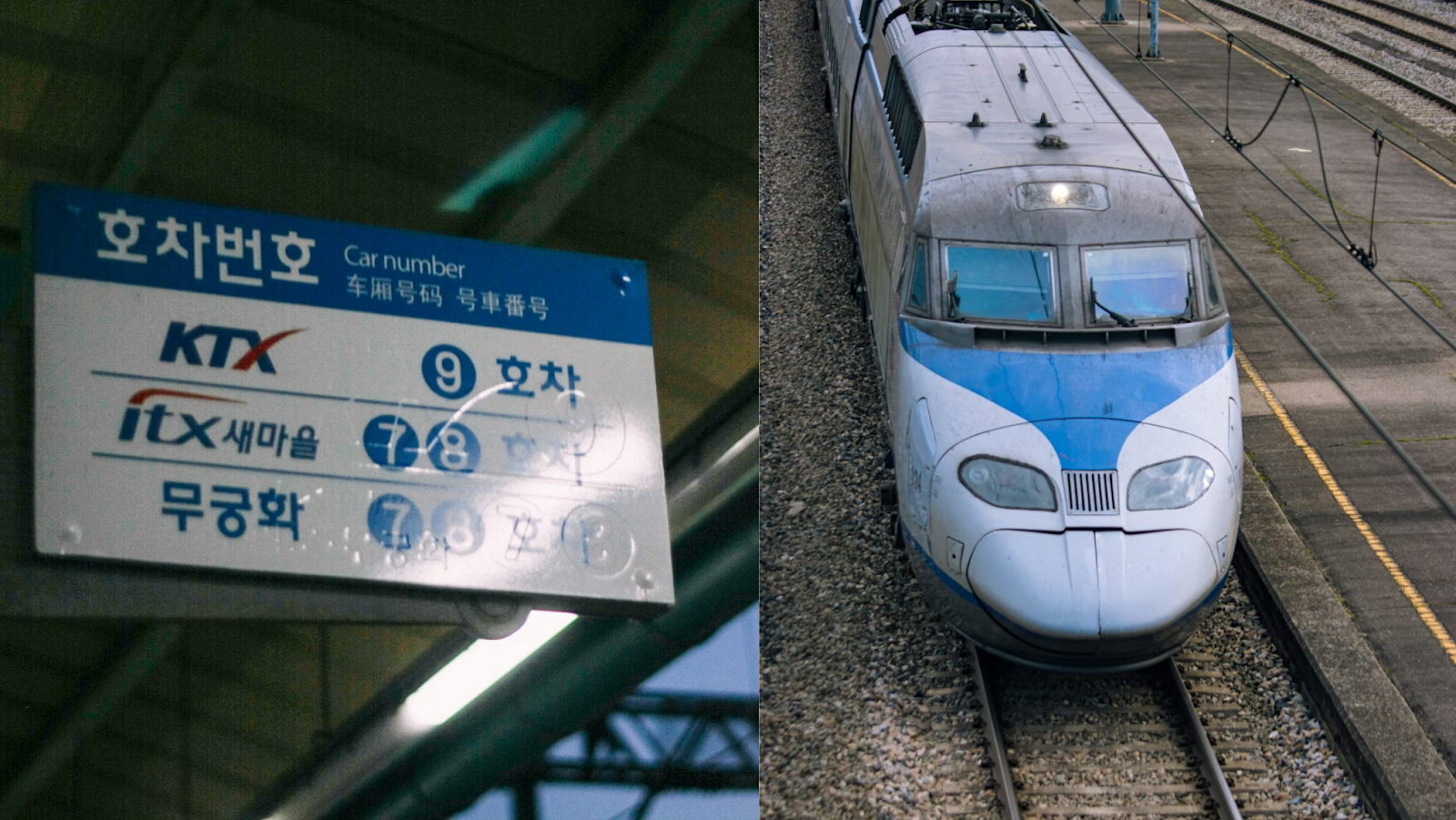
Operated by Korail, the KTX (Korea Train eXpress) is South Korea's high-speed rail system that connects major cities like Seoul (서울), Busan (부산), and Gwangju (광주) at speeds up to 300 km/h (190 mph).
The time it takes to reach Busan varies depending on the ride you book. Direct services hit the sweet spot at 2 hours and 15 minutes, while trains with stops stretch to three hours or more.
A KTX ticket from Seoul to Busan generally costs around ₩59,800 (about $45-$50 USD) for a standard economy seat. That said, prices vary by class (Economy or First), seat type (reserved or non-reserved), and time of travel.
You can book through Korail's official site, Trip.com, or Rail Ninja if you prefer navigating in English.
To maximize time in Busan, catch the earliest train out. It’s usually around 5:30 or 6:00 AM from Seoul Station (서울역). Arriving in Busan by 9 AM gives you a solid 10-11 hours to explore before catching an evening train back.
The last trains to Seoul typically depart around 9 or 10 PM, so you can watch the sunset at the beach and still make it home without an overnight stay.
Flight
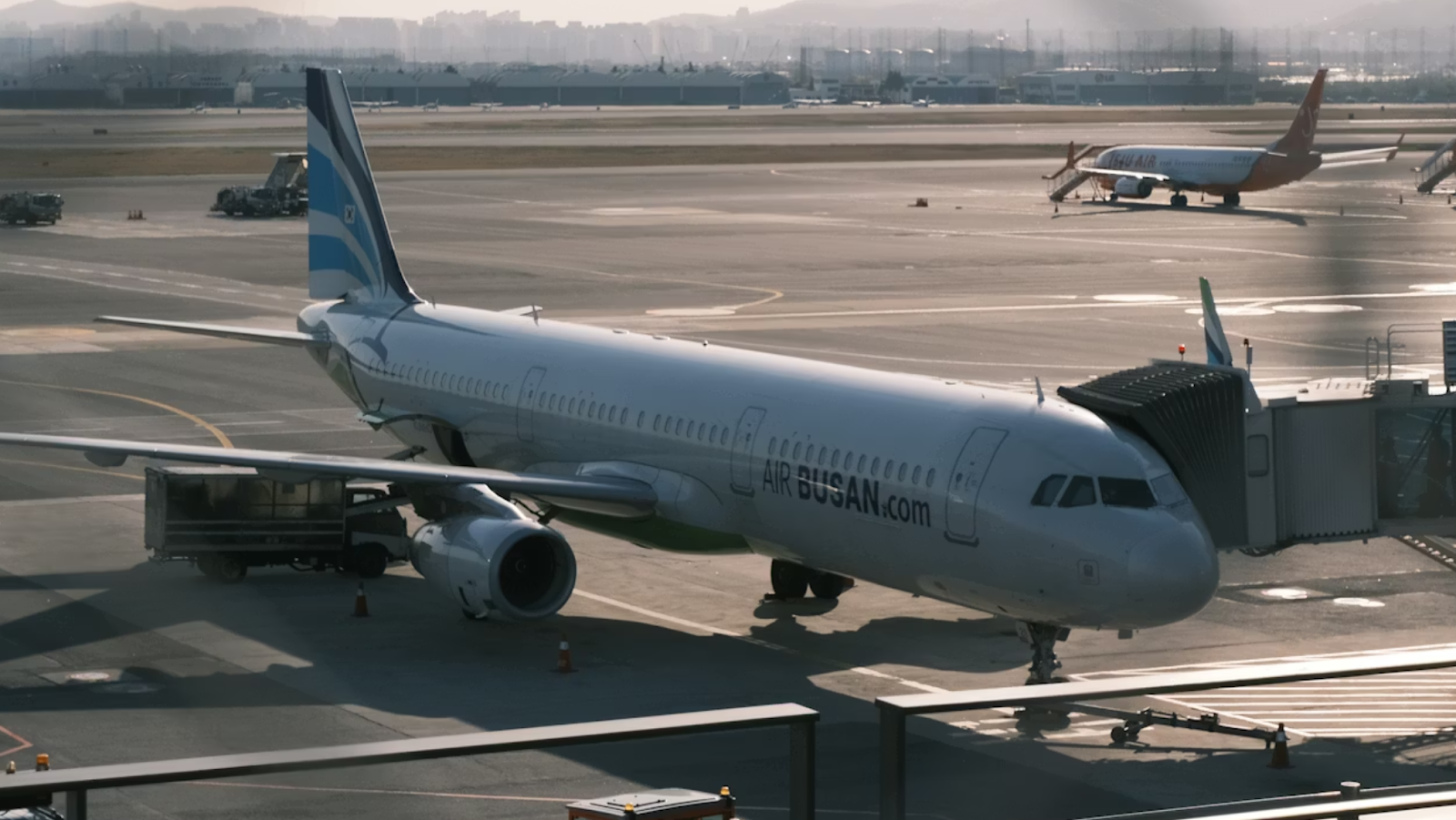
Flying takes about 50 minutes in the air, which sounds tempting until you consider everything else involved.
Factor in getting to Gimpo Airport (김포국제공항), check-in, security, boarding, deplaning, and the journey from Gimhae Airport (김해국제공항) into central Busan. You're looking at 3-4 hours total travel time.
Flights also cost around ₩50,000-80,000, putting them in the same price range as the train without the convenience. Unless you have airline points to use, the train makes more sense for a day trip.
Bus
Buses take 4-5 hours each way, which means 8-10 hours of your day spent in transit.
That leaves you with maybe 4 hours to experience Busan, which isn't exactly the freedom you're looking for.
This option only makes sense if budget is your absolute priority and the train fare isn't workable.
How to Get Around Busan
Taxis (Most Efficient)
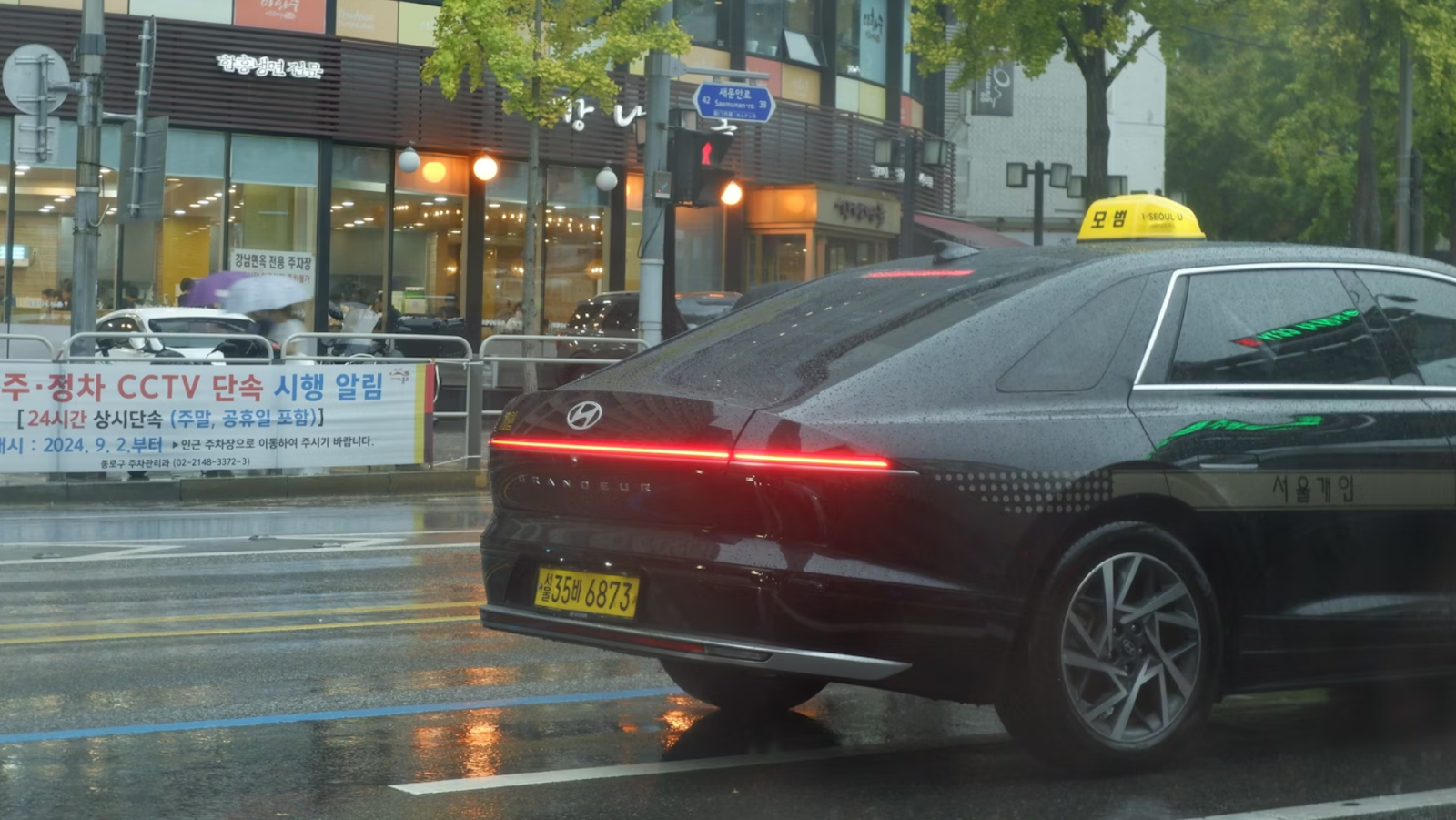
Taxis are your best option when you're working with limited time. Each ride typically costs ₩8,000-15,000 depending on distance, and you can move quickly and spontaneously.
Busan stretches along the coast, and key spots like
- Gamcheon Culture Village (감천문화마을)
- Haedong Yonggungsa Temple (해동 용궁사), and
- Haeundae Beach (해운대해수변공원) aren't close neighbors.
A taxi gets you from Gamcheon to Haeundae in about 30 minutes, while public transit could take 90 minutes with transfers.
When you only have 10 hours total, those saved minutes gives you the freedom to adjust your plans without stress.
Public Transit
Busan's subway and bus system works well if you have time to spare. For a single-day visit, though, it'll slow you down more than you'd like.
You'll spend significant time waiting for connections and navigating routes instead of actually experiencing what you came to see.
Save public transit for when you're staying multiple days and can take a more relaxed pace.
Essential Apps for Your Day Trip
Airalo eSIM App
Before you board that early morning train, make sure you've sorted out your connectivity.
I use Airalo because it gives me reliable coverage across Korea without expensive roaming charges or having to hunt for secure WiFi hotspots every time I need directions.
The installation and setup take about 5 minutes, and you can navigate confidently, book taxis on the spot, and share photos in real time without waiting for secure WiFi.
And if you’re a digital nomad like me who travels across countries within a region, the Asia eSIM could be an option for you.
Why use Airalo’s South Korea and Asia eSIMs:
- Wide range of data plans from 1GB to unlimited (South Korea eSIM only) at affordable prices
- Easy and flexible top-ups whenever more data is needed
- Instant connectivity on arrival with no airport SIM queues
- Avoid high roaming charges (keep roaming turned off)
- Fully compatible with dual-SIM phones
Kakao T (카카오 T): Taxi Booking
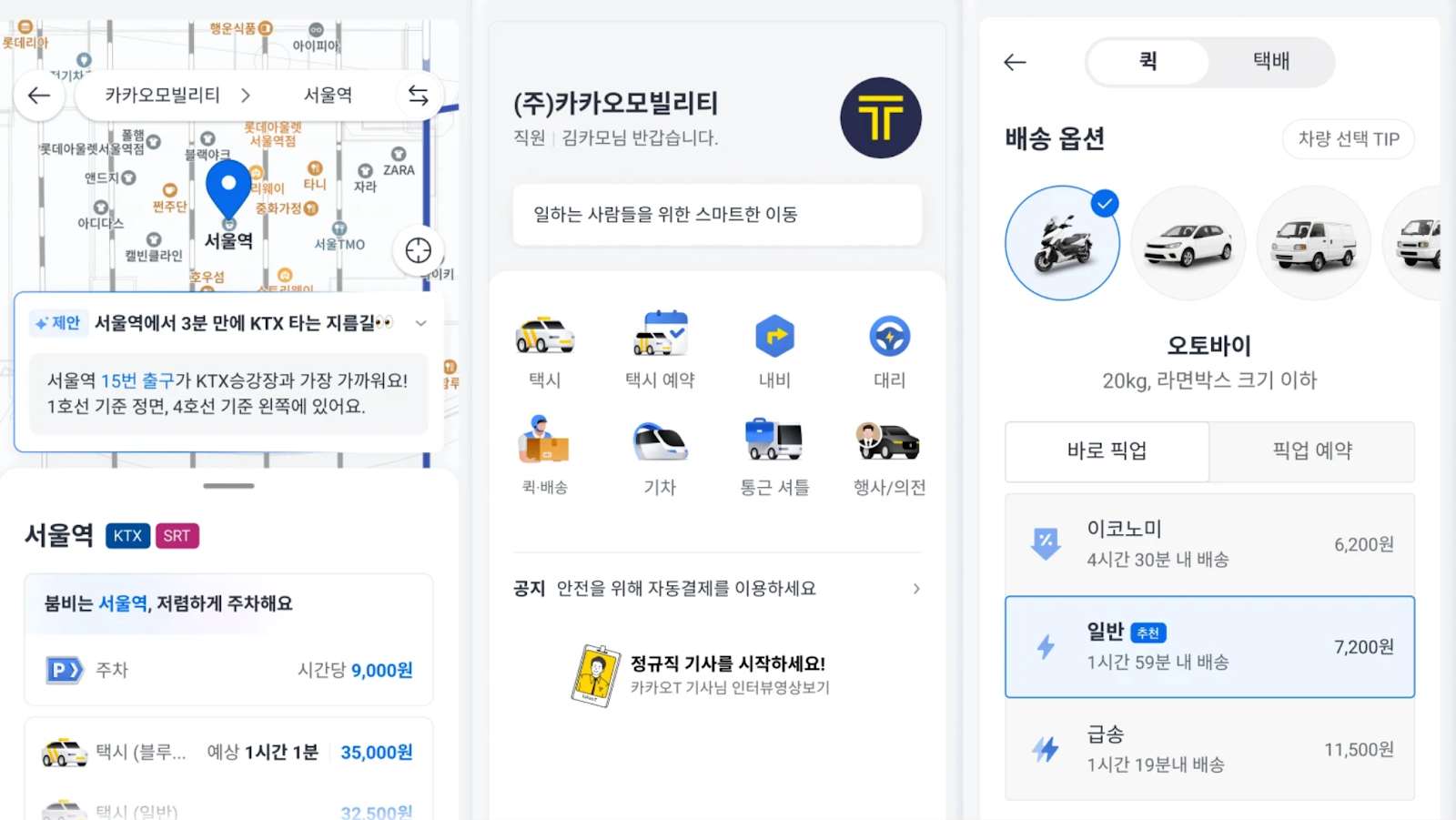
Kakao T (formerly Kakao Taxi) is South Korea's dominant mobility platform. It functions as a comprehensive app for summoning licensed taxis, booking premium cars (like Blue, Deluxe, Black), finding e-bikes and scooters, hiring designated drivers, and even finding parking or planning routes.
This app is essential for navigating Busan's spread-out attractions efficiently.
The catch: Kakao T needs active connectivity to function. Without it, you can't book rides, which means you're stuck trying to hail taxis on the street (not always easy in less touristy areas).
Naver Maps (네이버 지도): Navigation
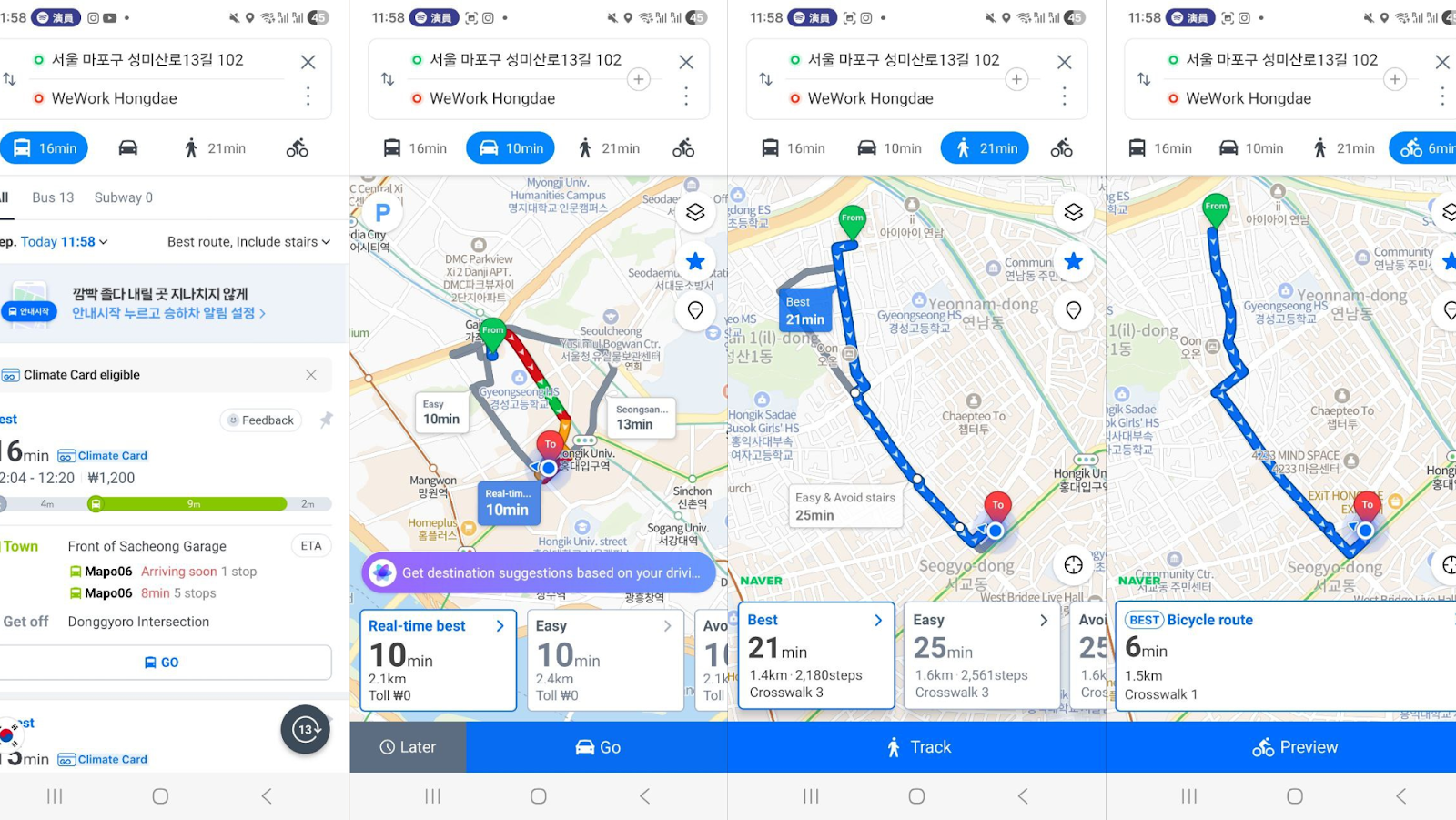
Naver Map is South Korea's leading all-in-one mapping service. It supports comprehensive navigation (driving, walking, public transport) within the country.
You have to use Naver Maps in South Korea because Google Maps struggles to provide accurate, real-time local data due to South Korean laws that restrict the export of high-resolution map data.
You can search in English, though having Papago nearby helps with reading Korean addresses and reviews.
Papago (파파고): Translation
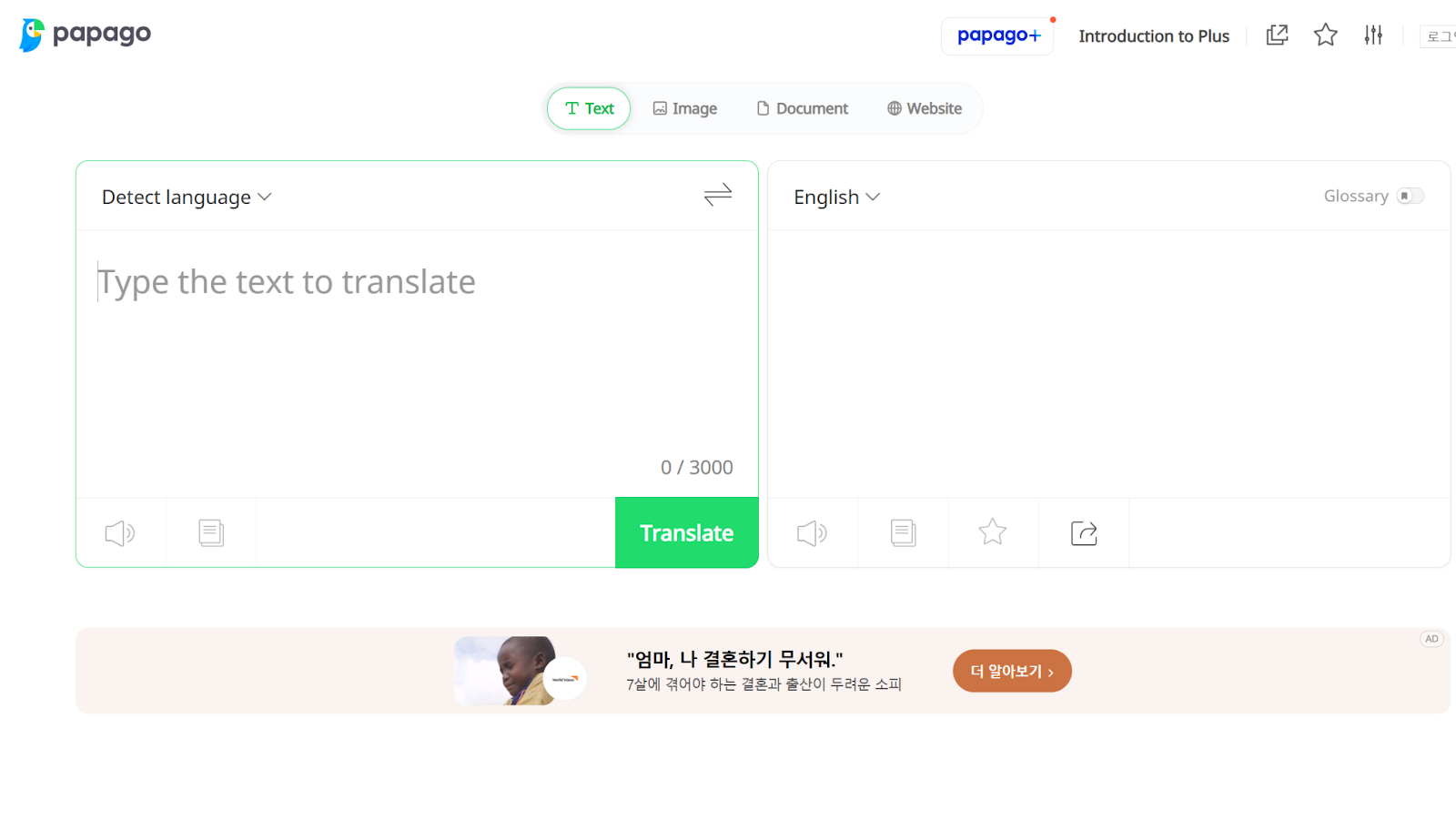
Papago translates Korean to English (and vice versa) better than other translation apps.
You just have to point your camera at signs, menus, or information boards, and you’ll get instant translations.
With camera translation, you can confidently order regional specialties without accidentally ordering something unexpected.
Klook: Mobile Tickets
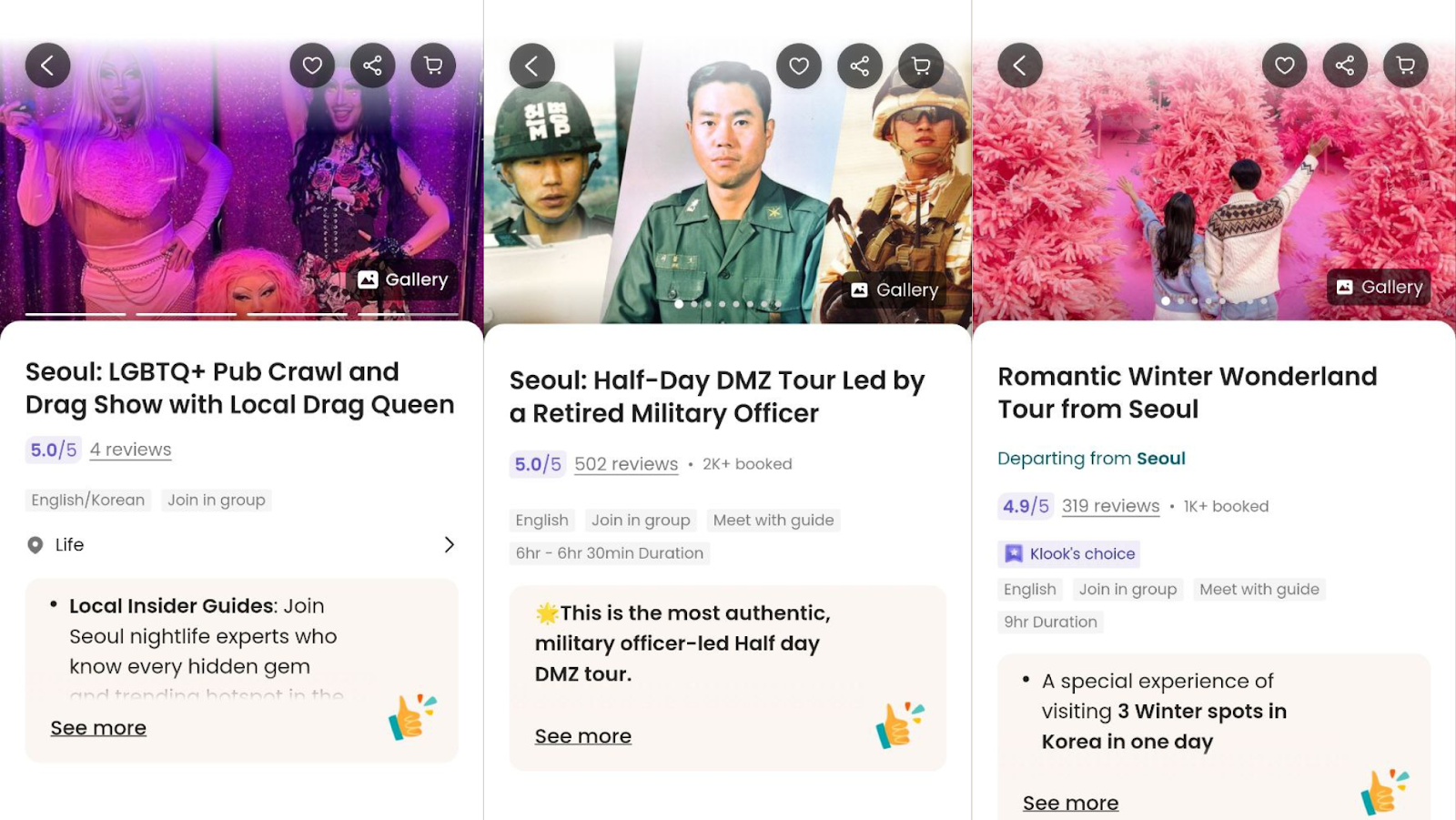
You can use Klook to book attraction tickets and experiences in advance. Your tickets live in the app, ready to pull up when you arrive at attractions like Gamcheon Village.
Booking through Klook often saves a few thousand won compared to gate prices, plus you skip ticket lines.
The mobile tickets need connectivity to display, so you’ll need an eSIM to stay online instead of scrambling to find WiFi at the entrance.
Your Perfect One-Day Busan Itinerary
Morning (9:00 AM - 12:00 PM)
Haeundae Blueline Park Sky Capsule (해운대 블루라인파크)
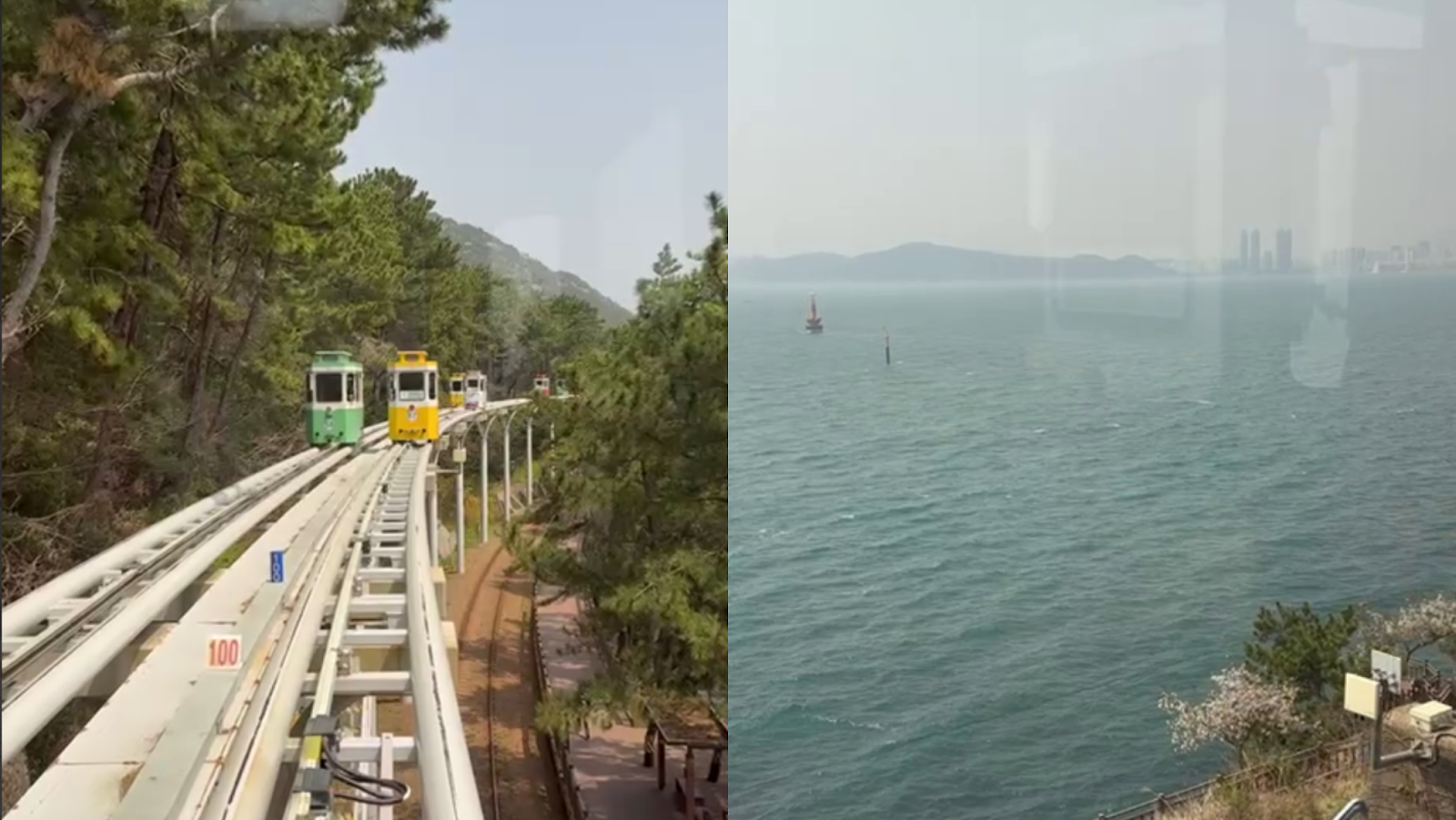
Start your Busan day here, and you'll beat the crowds that show up by mid-morning. You’ll have unobstructed views of the ocean and Busan's dramatic coastline.
The Sky Capsule is a 30-minute ride along the coastline in pastel-colored capsules that travel an elevated track.
This isn't just a cute Instagram moment (though it definitely is that). The ride genuinely shows you why Busan's coastal setting makes it so different from Seoul.
You'll pass rocky cliffs, small beaches, and get glimpses of the city skyline in the distance.
- Address: Haeundae Blueline Park runs between Mipo Station (미포역) at 43 Dalmaji-gil 62beon-gil, Haeundae-gu and Cheongsapo Station (청사포역) at 620 Jwadong-ro, Gijang-gun
- How to get there: Take a taxi directly from Busan Station (about 20-25 minutes, ₩12,000-18,000). If you're coming from Haedong Yonggungsa Temple, catch the Sky Capsule at Cheongsapo Station.
- Entrance fee: None to access the park
- Cost: Sky Capsule tickets are ₩35,000 per person (adult, one-way from Cheongsapo to Mipo).
Book at least 2 weeks ahead through the official website (www.bluelinepark.com/eng) or Klook to guarantee your spot. These sell out fast, especially on weekends.
Haeundae Beach (해운대해수변공원)
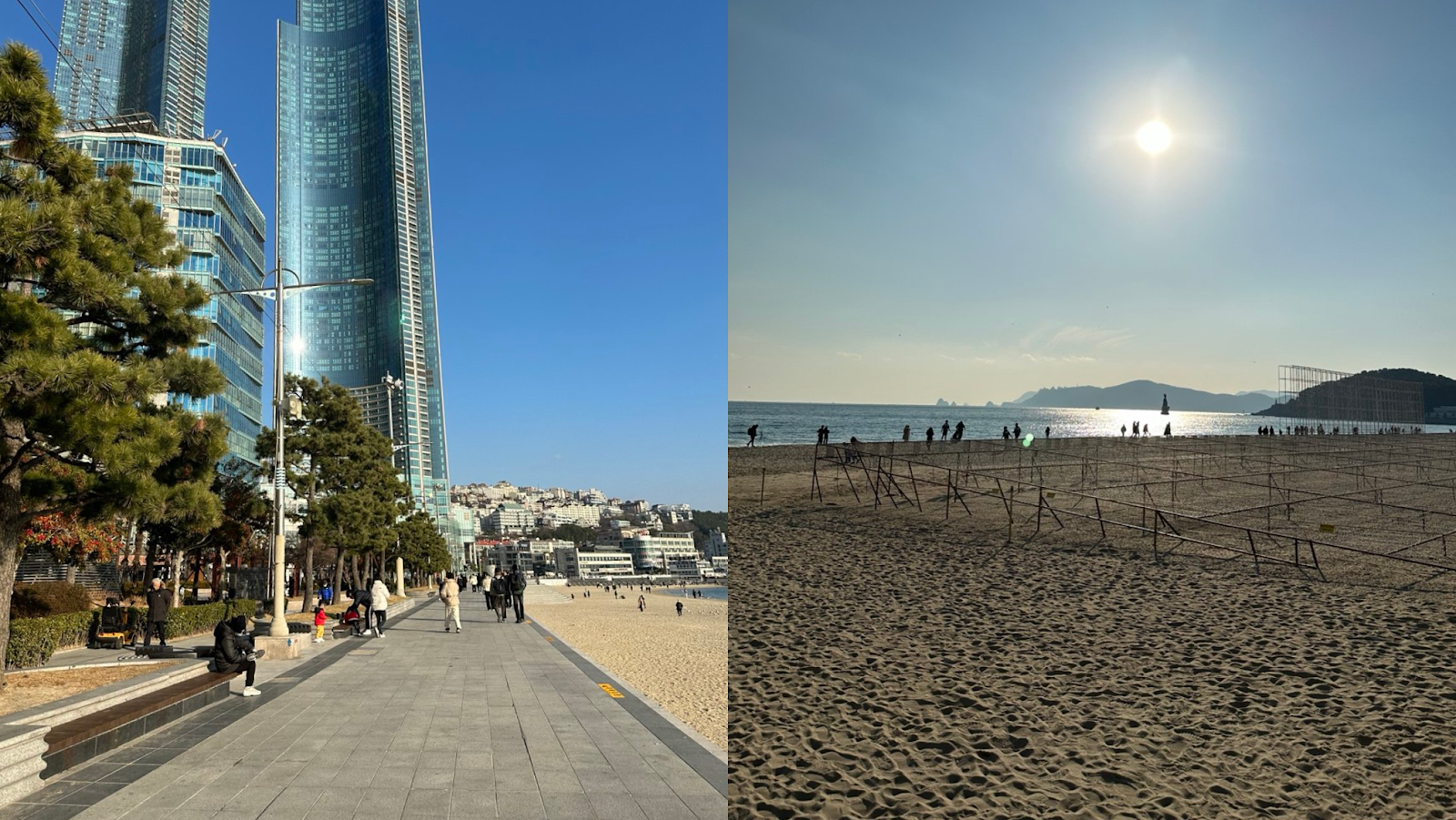
After your Sky Capsule ride ends at Mipo Station, Haeundae Beach is a 5-minute walk away.
20-30 minutes gives you enough time to grab coffee, take photos, and soak in Korea's most famous beach atmosphere.
The 1.5-kilometer stretch of white sand gets absolutely packed in summer, but during other seasons it's much more manageable.
Even if you're not swimming, the beach promenade has great energy with its mix of high-rise hotels, cafes, and people-watching opportunities.
- Address: 264 Haeundaehaebyeon-ro, Haeundae-gu, Busan
- How to get there: 5-minute walk from Mipo Station (Sky Capsule endpoint). Follow the coastal path west.
- Entrance fee: Free
- Cost: Free to access the beach. Coffee at beachfront cafes runs ₩5,000-8,000.
Midday (12:00 PM - 3:00 PM)
Gamcheon Culture Village (감천문화마을)
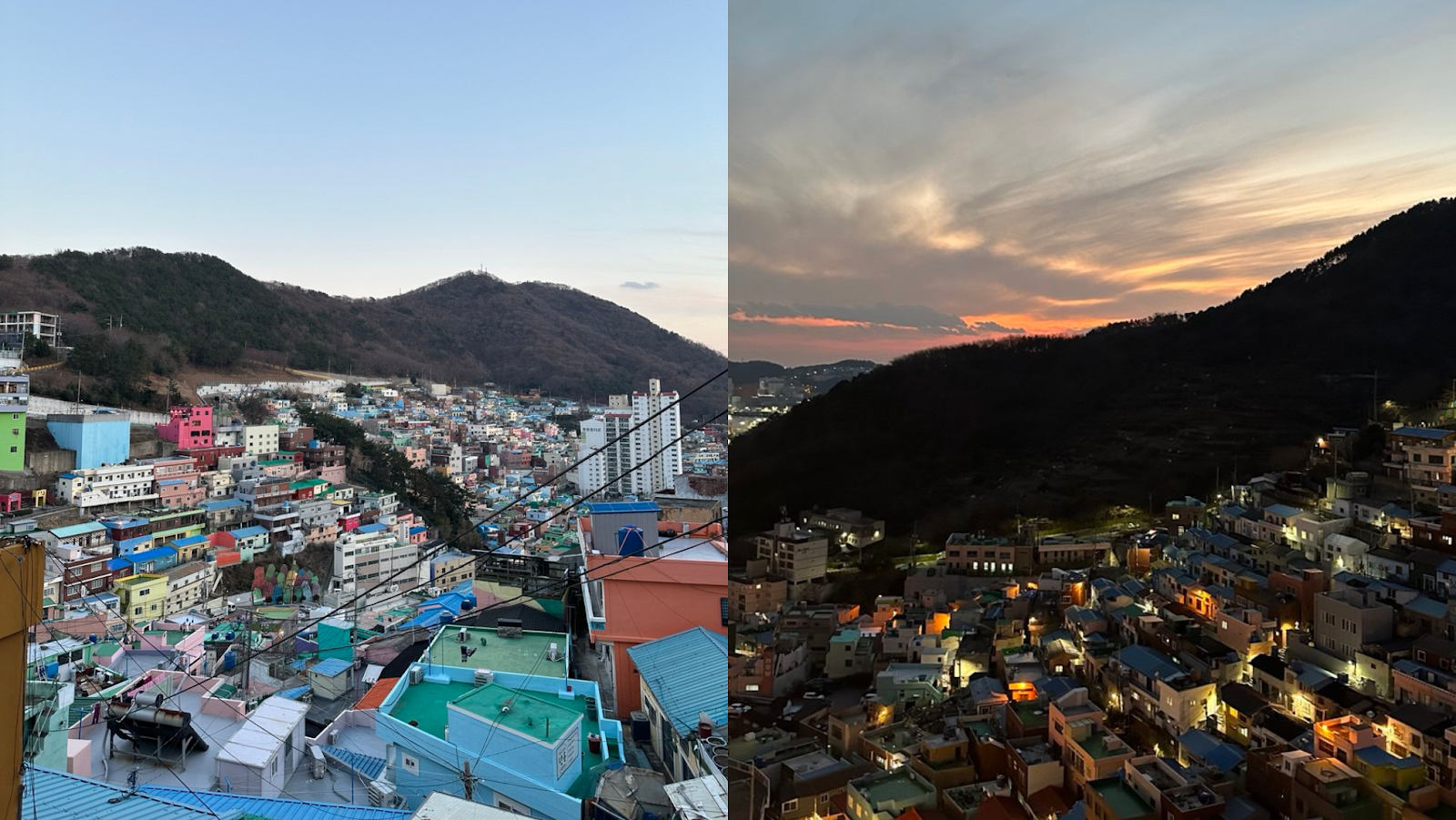
This is the spot everyone pictures when they think of Busan.
Gamcheon was built as a refugee settlement during the Korean War, but in 2009, local artists transformed it into what people now call the "Machu Picchu of Busan."
Brightly painted houses cascade down the hillside in shades of blue, pink, yellow, and orange, connected by steep staircases and narrow alleyways.
Give yourself 1.5 to 2 hours here. You'll want time to climb to the viewpoints (there are several), find the Little Prince and the Fox statue (the village's most famous photo spot), and wander through the art installations and murals tucked into corners.
- Address: 203 Gamnae 2-ro, Gamcheon-dong, Saha-gu, Busan
- How to get there: Take a taxi from Haeundae (about 15-20 minutes, ₩15,000-20,000). Public transit requires a bus transfer and eats up valuable time.
- Entrance fee: Free to wander. A village map costs ₩2,000 at the information center if you want one.
- Cost: Free entry. Budget ₩2,000-5,000 if you want snacks or drinks from the small cafes.
Lunch
After climbing Gamcheon's hills, you'll be ready to eat.
The village has a handful of small restaurants, but for better options and variety, head down to the nearby Toseong area or toward Jagalchi Market (your next stop).
Near Gamcheon:
- DUF Coffee (202 Gamnae 2-ro, Saha-gu): This place is wonderfully weird. The decor is eclectic chaos, but the coffee and light food hit the spot.
Budget: ₩8,000-15,000 per person for a meal. Korean restaurants near tourist spots tend to run slightly higher than neighborhood places.
Recommended local restaurants:
- Anga Milmyeon (안가밀면): About 10 minutes from Gamcheon by taxi. Serves Busan's famous milmyeon (cold wheat noodles). A local favorite that's been around for decades.
- Halmae Gukbap (할매국밥): Serves dwaeji gukbap (pork and rice soup), a Busan specialty. Hearty and affordable at around ₩9,000-10,000.
Afternoon (3:00 PM - 6:30 PM)
Haedong Yonggungsa Temple (해동 용궁사)
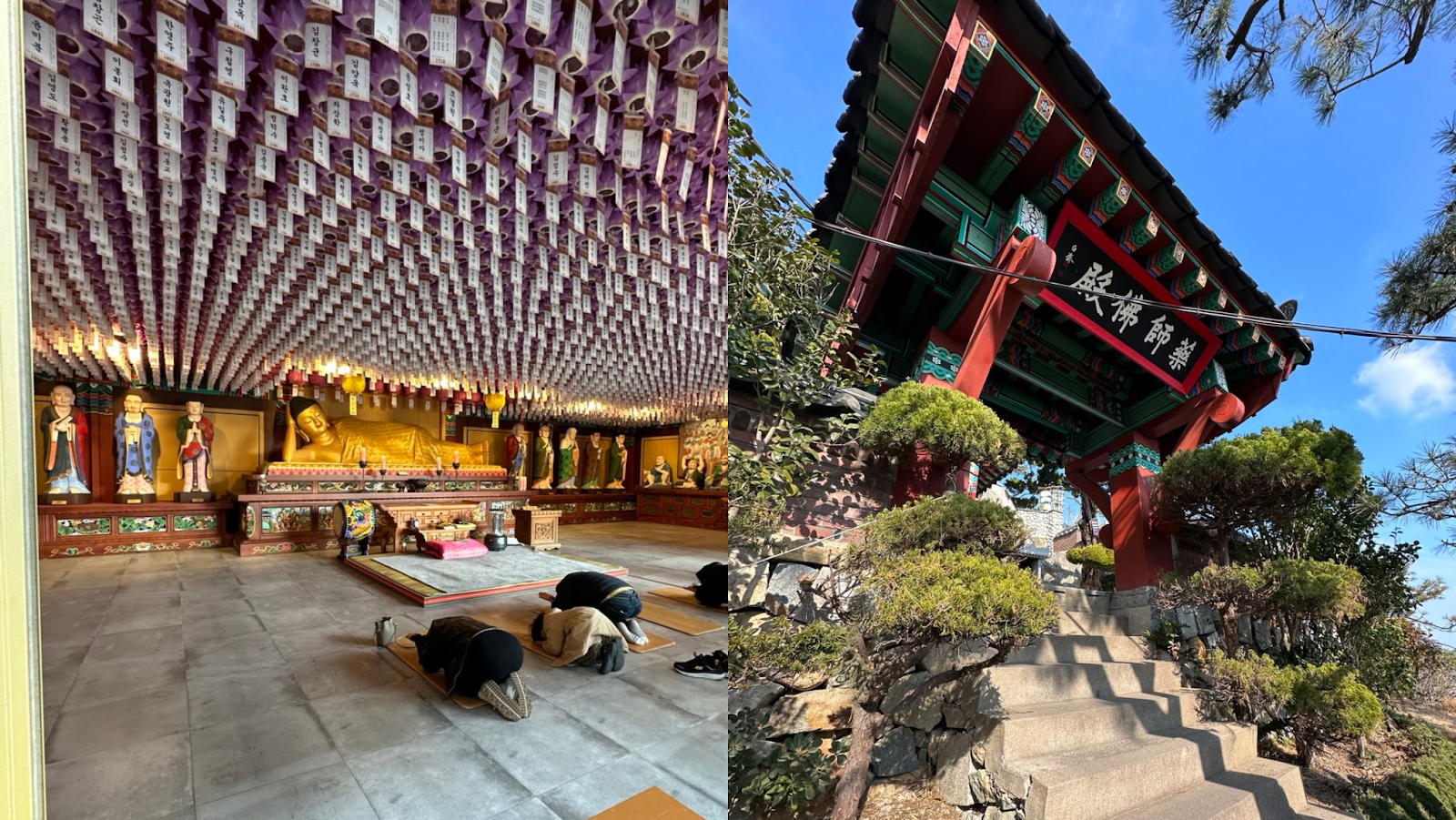
Most Buddhist temples in Korea are tucked into mountains, but Haedong Yonggungsa sits right on the coast. The temple grounds cling to rocky cliffs with waves crashing below.
Built in 1376, the temple complex features a seven-story pagoda, multiple shrine halls, and dozens of statues, including a golden Buddha.
The combination of spiritual atmosphere and ocean views makes it unlike any other temple in the country.
The walk down to the temple passes through vendors selling souvenirs and street food. On your way back up, those stairs feel steeper than they looked coming down, but the views are worth it.
- Address: 86 Yonggung-gil, Gijang-eup, Gijang-gun, Busan
- How to get there: Taxi from Gamcheon takes about 25-30 minutes (₩18,000-25,000). If you started your day at Haedong Yonggungsa and worked backward, this is where you'd begin.
- Entrance fee: Free
- Cost: Free entry. Vendors outside sell snacks and souvenirs at typical tourist prices.
Jagalchi Fish Market (자갈치시장)
Korea's largest seafood market, and honestly, one of the most overwhelming food experiences in Busan.
The ground floor is packed with tanks of live seafood, everything from octopus and crab to fish you've never heard of. The second floor houses restaurants where you can have your seafood prepared.
Check the ground floor stalls, select what you want, pay the vendor, then take your receipt upstairs.
The restaurants charge a preparation fee (typically ₩5,000-10,000 per person plus cooking charges per dish) to cook what you bought.
- Address: 52 Jagalchihaean-ro, Nampo-dong, Jung-gu, Busan
- How to get there: Taxi from Haedong Yonggungsa takes about 20 minutes (₩15,000-20,000).
- Entrance fee: Free to browse
- Cost: Variable depending on what seafood you select. Expect to spend ₩30,000-50,000+ per person for a proper seafood meal including preparation fees. Street food outside runs ₩3,000-8,000.
Evening (6:30 PM - 8:00 PM)
BIFF Square (BIFF 광장) (If Time Permits)
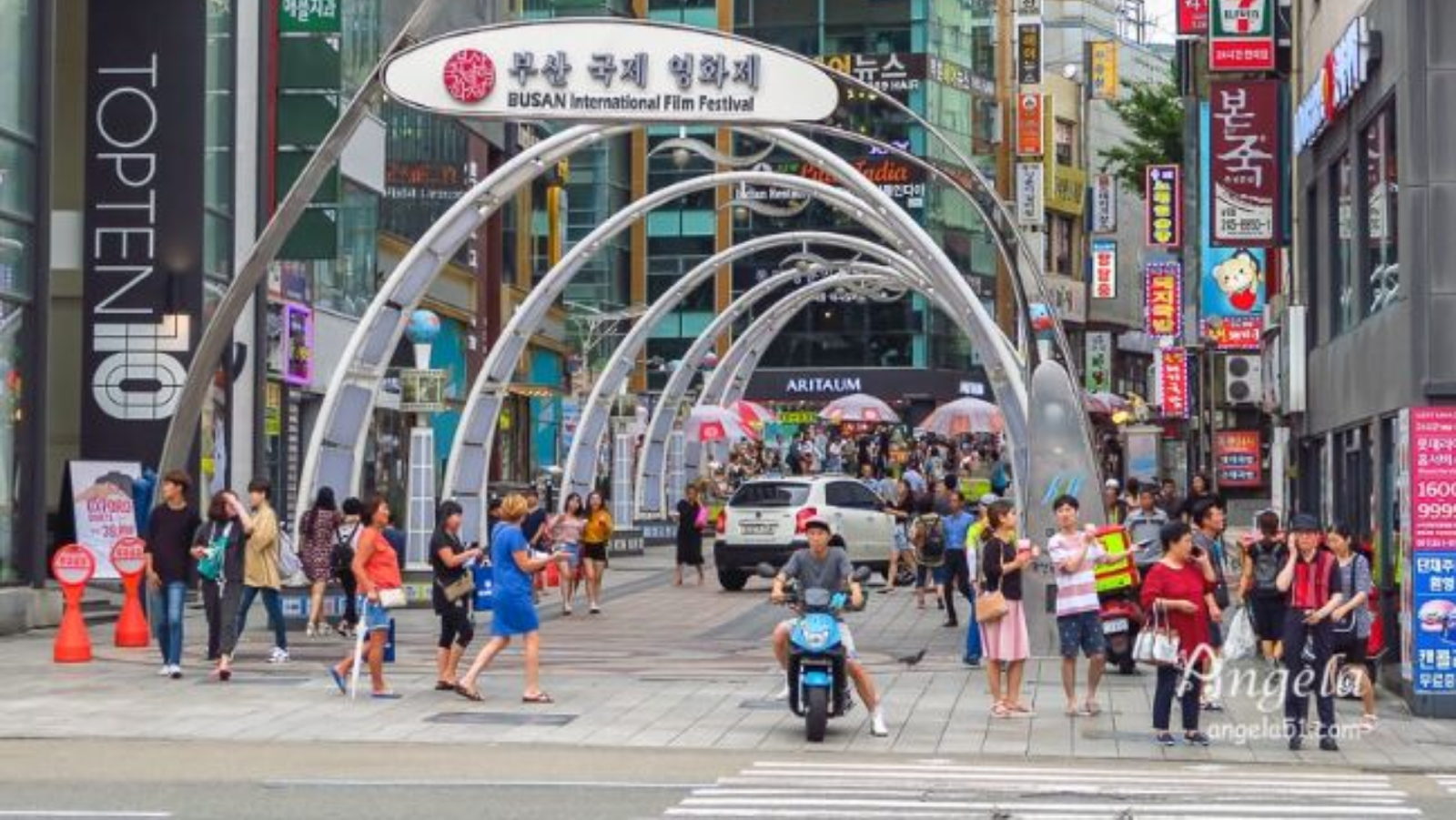
BIFF Square is Busan's street food hub, named after the Busan International Film Festival.
If you have energy left and your train departure allows it, this is where you'll find vendors selling ssiat hotteok (sweet pancakes with seeds and nuts), tteokbokki (spicy rice cakes), and other Korean street food classics.
The square gets lively in the evening, and while it can feel touristy, the food is solid and the atmosphere is fun. This is more about soaking up the vibe than discovering hidden gems.
- Address: Gudeok-ro, Nampo-dong, Jung-gu, Busan (near Jagalchi area)
- How to get there: 5-10 minute walk from Jagalchi Market
- Entrance fee: Free
- Cost: Street food items range from ₩2,000-6,000 per item.
Return to Busan Station
Give yourself at least 30 minutes to get from wherever you are back to Busan Station before your train departure.
Busan's traffic can be unpredictable, and missing your train means you're stuck waiting for the next one (or scrambling for a very late departure).
Use the buffer time to grab any last-minute snacks for the train ride, use the restroom, and settle in without stress.
The train ride back to Seoul gives you time to decompress from what was probably a pretty intense day of movement.
Essential Tips for Your Day Trip
What to Pack
Day backpack only
Leave your luggage at your Seoul hotel. You're carrying this around all day through temples, up Gamcheon's hills, and on crowded trains.
Portable charger
10,000mAh minimum. Your phone will be running navigation, translation, taxi apps, and taking photos constantly. A dead phone in Busan when you need to catch your train is not fun.
Comfortable walking shoes
You'll be climbing stairs at the temple and Gamcheon, walking on beach sand, and covering serious ground. Save the cute shoes for dinner in Seoul.
Water bottle and layers
Busan's weather can shift, and indoor spaces blast AC. Pack a light jacket or cardigan even in summer.
Make Your Day Trip Count
A Seoul to Busan day trip is straightforward: early train out, hit 4-5 key spots, evening train back. The logistics aren't complicated if you plan your transport and timing right.
What makes the difference is staying connected throughout the day.
You need working data to book taxis, navigate between locations, translate menus, and adjust your plans without stress.
Airalo's South Korea and Asia eSIMs give you reliable coverage across the country without roaming fees or the hassle of buying physical SIM cards.
Install it before you leave, and you can focus on experiencing Busan rather than troubleshooting connectivity issues.
Purchase your Airalo eSIM.
Terms & Conditions apply.
Frequently Asked Questions
Can you really see Busan in one day?
Yes, but you'll be hitting highlights rather than exploring every neighborhood. Realistically, you can cover 4-5 main attractions in a day trip, which means choosing between beach time at Haeundae, temple visits, or exploring Gamcheon Village rather than trying to cram everything in.
Do I need to speak Korean?
Not for a day trip to the main tourist areas. Popular spots like Haeundae Beach (해운대해수변공원), Gamcheon Culture Village, and Haedong Yonggungsa Temple have enough English signage and staff to get by.
Also, translation apps like Papago bridge any gaps, and if you book tours through platforms like Klook, they typically include English-speaking guides.
What if I miss my return train?
Don't panic. If you miss your booked train and seats are available on a later one, you can rebook through the Korail app right from your phone (this is where having that Airalo connection helps).
Worst-case scenario, hotels near Busan Station (부산역) start around $40 USD if you need to stay overnight.
What's the best season for this day trip?
Spring (April-May) and fall (September-October). Spring has comfortable temperatures and cherry blossoms, while fall has clear skies and fewer crowds than summer. Both seasons give you pleasant weather for walking around outdoor attractions without melting or freezing.
How far is Busan from Seoul in hours?
Busan is about 2.5 to 3 hours from Seoul by high-speed KTX train, making it technically possible but very rushed for a day trip. By bus or car, the travel time usually takes 4–5 hours, depending on traffic and weather.
How long does it take to drive from Seoul to Busan?
Driving from Seoul to Busan typically takes four to 5 hours without heavy traffic, covering major expressways across South Korea. On weekends, holidays, or during peak hours, the journey can easily exceed 5 hours.
What is the distance between Seoul and Busan?
The distance between Seoul and Busan is approximately 325 km (202 miles) by road, making Busan one of the farthest major cities from Seoul in South Korea.