


Don't want to waste a minute of your European trip? Sleeper trains in Europe let you travel while you sleep—board in Paris, wake up in Venice. You'll save a full day of sightseeing, skip airport hassles, and cut your carbon footprint. Snooze in comfort on the Caledonian sleeper from London to Scotland, cozy up in private sleeping pods to Vienna, or get your beauty sleep on the luxurious Orient Express.
Pick your vibe: shared couchettes keep costs down, private pods give you your own space, or splurge on a luxury cabin with its own shower. In this guide, we'll cover the best routes, what to expect onboard, booking tips, and how to sleep soundly along the way.
In this article:
- Sleeper Train 101: What To Know Before You Go
- Discover Europe's Best Night Trains
- How To Book a Sleeper Train in Europe
- What to Pack and Safety Tips
- FAQ: Sleeper Trains in Europe
Want to stay connected on your train trip through Europe? An eSIM keeps you online across borders without the roaming fees.
Terms and Conditions apply.
Sleeper Train 101: What To Know Before You Go
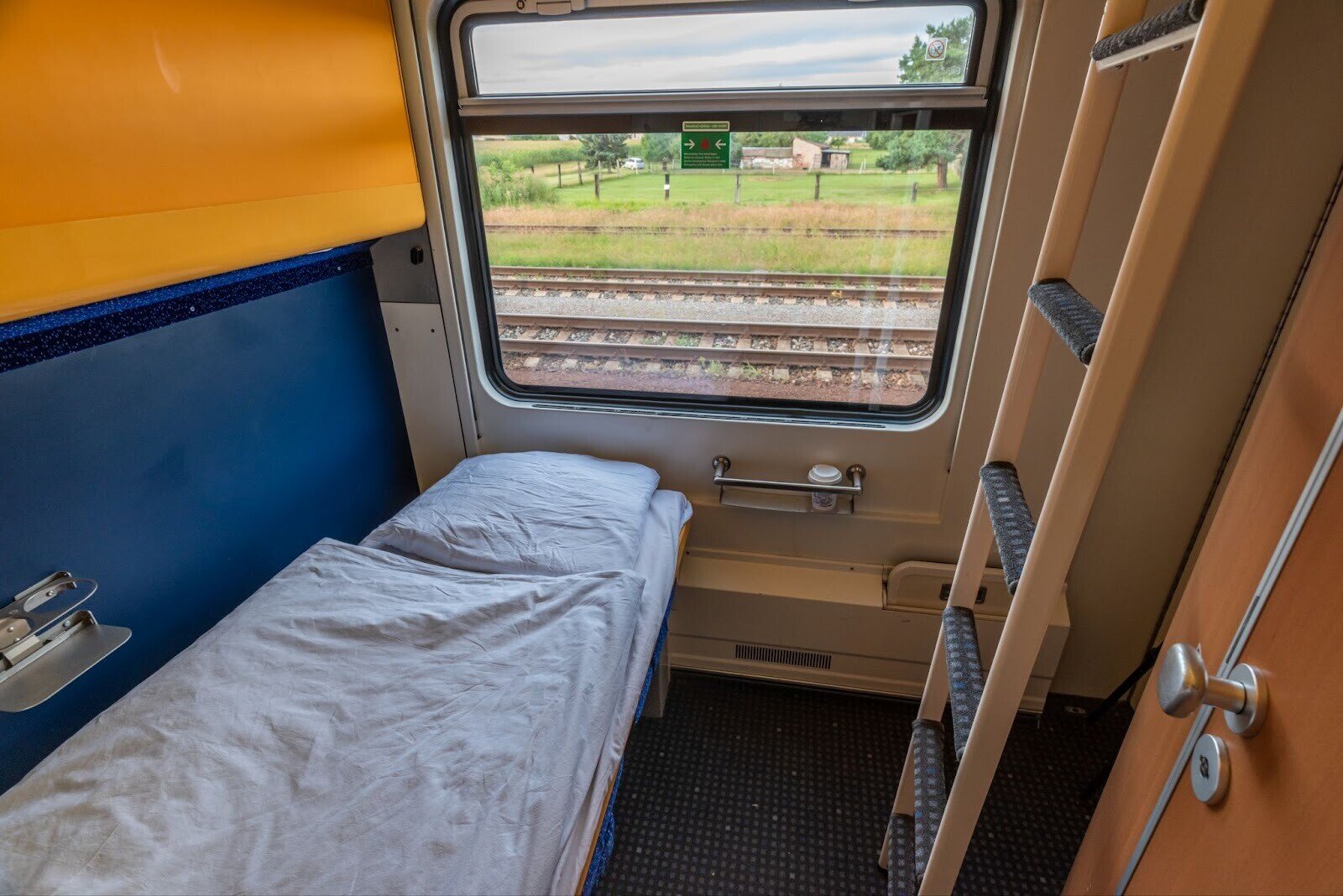
What a Sleeper Train Actually Is
A sleeper train is a train designed for overnight travel. The concept is simple: you board the train, sleep on it, and wake up in a new city. Sleeper trains in Europe usually offer four types of sleeping arrangements:
- Reclining seats: This option is the cheapest and usually best for shorter rides, since it's just a seat.
- 1-3 bed cabins: Think of this option as a hotel on wheels. You can get a more private room with one to three beds, often called sleepers. Some luxury versions also offer a private shower and toilet, while others just have a washbasin.
- 4-6 bed cabins: This type of cabin is more like a hostel on wheels than a hotel. The beds are basic bunk beds, often called couchettes.
- Pods: Pods are a more recent addition to certain European night trains. They are individual capsules for solo travelers who want privacy on a budget.
The Benefits Of Night Train Travel
Sleeper trains in Europe are on the rise—bookings have surged post-pandemic as travelers look for sustainable, time-efficient alternatives to flying. But why?
1. Time-saving: Instead of losing a day to air travel—checking in, waiting at security, and dealing with delays, you can get a good night's sleep while simultaneously ticking off a long journey. A Paris-Berlin flight might take 1.5 hours in the air, but door-to-door it's closer to 5-6 hours. The sleeper train takes longer overall, but you're unconscious for most of it—and you arrive in the city center, not at an airport.
2. Sustainable: Taking a night train in Europe produces significantly less CO2 per passenger than flights on the same route. Want to see the exact difference for your journey? The EcoPassenger tool compares the carbon footprint of train vs. plane vs. car travel between European cities—you can input your specific route to see the environmental impact of each option.
3. Comfortable (and sometimes luxurious): Modern sleeper trains come with amenities you won’t find on a budget airline. Private cabins have individual climate control, reading lights, and power outlets. Deluxe options include en-suite showers and breakfast delivered to your cabin. Some trains, like the Caledonian Sleeper, also have dining cars with sit-down meals—a welcome upgrade from airplane snacks. For ultimate luxury, trains like the Venice Simplon-Orient-Express and Royal Scotsman gourmet dining and cabins styled like boutique hotel suites.
What's Included With Your Ticket
Ticket inclusions will vary based on your train line and ticket, but here's what most sleeper trains in Europe typically include:
- The sleeping arrangement: The bed, bunk, pod, or reclining seat you’ve booked.
- Bedding: Both sleepers and couchettes include sheets, pillows, and blankets. In sleepers, beds are already made for you. In most couchettes, you set the provided bedding up yourself.
- Climate control: Private cabins often have individual temperature settings. Shared compartments use central heating and cooling, so layer your clothing.
- Power outlets: Most trains have electrical sockets in cabins and compartments for charging devices.
- Food and drink: Breakfast is typically included with sleeper cabin tickets but may cost extra in couchettes. Many trains have trolley service where you can purchase snacks, drinks, and light meals.
- Washroom access: All tickets include access to shared toilets and washbasins. En-suite showers are typically reserved for deluxe cabins.
Pro Tip: If you don't have an en-suite cabin, shower before boarding. Shared washrooms only have sinks, and the morning queue can get long.
Discover Europe's Best Night Trains
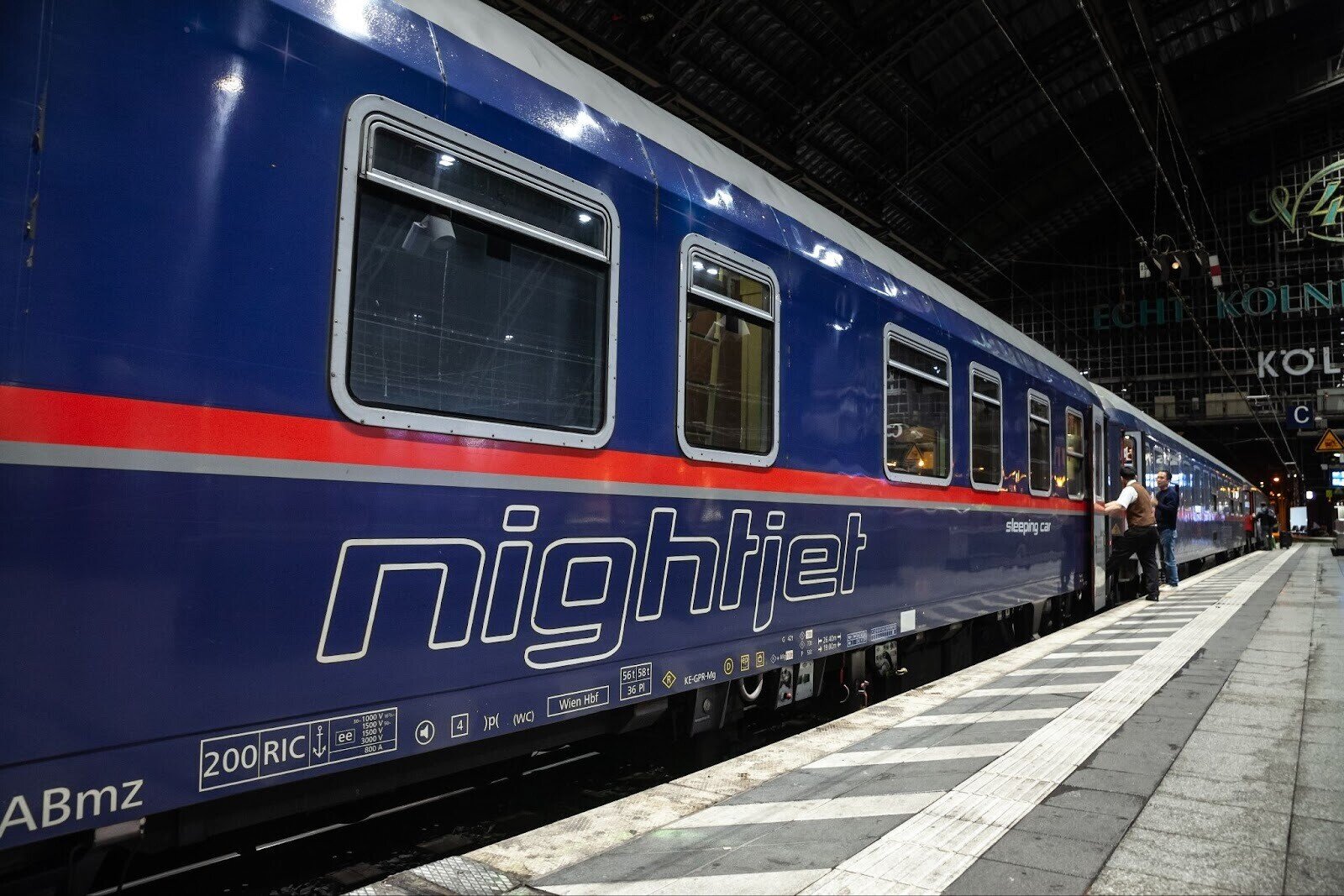
We've covered the basics; now it's time to find out which train is right for you. Europe's night train network includes budget-friendly classics and premium luxury experiences.
The Popular Favorites: Go-to Networks You Can Count On
These established networks run frequently with reliable service and modern carriages. Choose based on your route: ÖBB Nightjet dominates Central and Western Europe, Caledonian Sleeper connects London to Scotland, European Sleeper links major capitals, and Intercity Notte covers Italy from north to south.
ÖBB Nightjet
Operated by Austrian railways, this modern network is ideal for night travel across Central and Western Europe.
- Popular routes: Its train lines connect Vienna and Salzburg to hubs like Berlin, Rome, Venice, Zurich, and Amsterdam.
- Cabin options: Choose between regular seats, standard couchettes, luxury "Sleeping car" sleepers with private shower options, or the innovative "Mini Cabin" solo sleeping pods.
- Luggage allowance: You can bring luggage free of charge, but it must fit in the overhead bins, under the seats, or in the hand luggage area. The size limit is 90cm x 60cm x 40cm.
- Standout features: The Nightjet is known for its modern features and its futuristic private pods with colorful LED lights and a keycard system.
Pro Tip: ÖBB Nightjet opens bookings 6 months ahead—set a calendar reminder.
Caledonian Sleeper
This classic, high-demand route connects London with various destinations across Scotland.
- Popular routes: The "Lowlander" serves Edinburgh and Glasgow, while the "Highlander" reaches Inverness, Aberdeen, and Fort William.
- Cabin options: Pick between Club and Caledonian Double en-suite rooms (double bed or bunk bed), twin bunks with a washbasin, or budget-friendly seats.
- Luggage allowance: You're allowed two suitcases (with 30cm x 70cm x 90cm limits) and one piece of hand luggage.
- Standout features: En-suite rooms have access to showers, and lounge access at key stations. Rooms also use a modern keycard system, and all tickets get complimentary wi-fi and a sleep kit.
Pro Tip: Take a virtual tour of the Caledonian Sleeper to know what to expect from the different sleeping accommodation options, and pick accordingly.
European Sleeper
Known as the "Good Night Train," this community-funded start-up connects major European capitals, focusing on sustainable, comfortable travel.
- Popular routes: You can hop on the Brussels-Prague route (with stops in Amsterdam and Berlin), or the Paris-Berlin route (with stops in Brussels and Hamburg).
- Cabin options: Opt for budget seats, five-person sleeping compartments, or more private rooms with a maximum of three beds/couchettes.
- Luggage allowance: Your ticket includes one suitcase or a backpack and a daypack free of charge, provided you can personally carry and store them in the overhead compartments.
- Standout features: The train has a vintage feel, with carriages from the 1990s, updated for modern comfort.
Pro Tip: There is no dining car in the European Sleeper, but sleeper tickets include breakfast. Be prepared to purchase breakfast if you have a couchette or seating ticket.
Intercity Notte
The Intercity Notte is the night train to board if you want to travel through Italy, and is known for its scenic sea crossing to Sicily.
- Popular routes: There are many routes offered from the north to the south of the country, with 24 connections, in cities like Turin, Rome, Palermo, and Milan. Our Italy travel guide can help you decide where to go.
- Cabin options: Options range from "Superior" (formerly Excelsior) cabins with private showers, "Relax" sleepers with washbasins, "Comfort" four-berth couchettes, or basic seats.
- Luggage allowance: There is no official weight or size limit for luggage, as long as items fit on the luggage racks.
- Standout features: Crew members load the train to Sicily on a ferry, making it a unique adventure.
Pro Tip: Check the ferry's upper area for fresh air, views, and a chance to stretch your legs.
Travel In Style: Europe's Top Luxury Sleeper Trains
Luxury sleeper trains are typically multi-day journeys, not overnight connections. You're traveling for the experience itself: multi-course dinners, guided excursions at stops along the route, and cabins designed like boutique hotel suites—essentially a cruise on wheels. Two popular train companies that offer premium train itineraries are the Belmont and the Orient Express.
Belmont
- Popular routes: Classic journeys include the Venice Simplon-Orient-Express across Europe and the Royal Scotsman through the Highlands.
- Cabin options: Belmond’s luxury accommodations range from Historic Cabins with convertible sleeping berths and breakfast in bed to Grand Suites with butler service and free-flowing champagne.
- Luggage allowance: This will depend on the journey you've selected, but ranges from one piece of hand luggage to one piece of hand luggage and two suitcases.
- Standout features: Feel like a VIP with black tie attire at dinner, curated dining experiences, and off-train excursions to a castle or spa.
Orient Express
- Popular routes: The "La Dolce Vita" routes pass through Italian regions like Tuscany and Sicily, while the "Original" route from Paris to Istanbul will return in 2027.
- Cabin options: Stay in "Deluxe" cabins or larger "Suites", both with en-suite bathrooms.
- Luggage allowance: It's recommended to travel with one carry-on bag.
- Standout features: Design lovers will appreciate the cabins styled with 1960s Italian glamour, and travel lovers will appreciate the train stops in cities full of history, like Matera in Italy, a UNESCO World Heritage site.
How To Book a Sleeper Train in Europe

Booking your night train tickets is easiest online, although you can book tickets at most major train stations as well. Although steps differ on the route and operator, here’s how to book a sleeper train in Europe:
1. Decide which night train in Europe you'd like to board.
2. Go to the operator's website.
3. Select your dates, arrival and departure stations, and number of passengers.
4. Choose your sleeping accommodation (couchette, sleeper, reclining seat, etc.)
5. If applicable, add extras like breakfast or free cancellation.
6. Fill in your personal data and complete the purchase.
Pro tip: The cost of overnight train tickets varies greatly depending on the sleeping accommodation you choose and the season, but can range from USD $30 (budget seats) to over USD $500 (private rooms) per night. Longer luxury trips will often start at around USD $5,000.
Tips for a Successful Booking
While booking a ticket is simple, there are a few tips to keep in mind.
1. Book early: Book your tickets as early as possible, especially for travel in June-August. Check the website of each operator for exact booking windows, and mark the dates in your calendar. The general rule of thumb is three to six months in advance, but trains like the Caledonian Sleeper book up to 12 months in advance.
2. Eurail/Interrail passes: A Eurail or Interrail pass allows you to hop on and off many trains across multiple European rail networks, and is ideal for multi-country travel. Most major night trains operators accept these passes, but you'll still need to reserve and pay for your preferred sleeping arrangement in addition to your valid pass.
3. Check third-party booking: It's generally best to book directly with the train operator to avoid third-party fees and have access to direct customer service. However, third-party platforms like Trainline or Omio are user-friendly and can help you see which trains run on specific dates.
What to Pack and Safety Tips

Your Essential Packing List For The Journey
While comfort on sleeper trains in Europe will depend on the sleeping arrangements you paid for, there are ways to improve your journey and maximize your sleep time. Here are the go-to items to bring:
- A large scarf that doubles up as an extra blanket
- An eye-mask
- Earplugs
- A power bank (at least 10,000mAh for overnight charging)
- A long cable (2m minimum—outlets can be far from bunks)
- A water bottle
- Snacks
- A small toiletry kit with personal hygiene items
- Slip on shoes or thick socks
- Cash
- ID/passport
- Tickets/Rail Pass
- Emergency contacts/hotel address
Want a more complete list? Check our ultimate packing list for your trip.
Security Measures While You Sleep
Another part of sleeping soundly is feeling safe on your trip. We've put together our top safety tips, so you can enjoy your night train experience, even when traveling solo:
- Keep your valuables close: Securing your valuables (phone, ID, wallet) in your pillowcase or a small crossbody bag you can wear will help prevent theft.
- Choose the top bunk: If you have the option, sleep in the top bunk, as it's harder to steal items there.
- Use your cabin lock: Use the locks provided. Some trains will have standard door locks, while newer trains, such as Nightjet, will use key cards.
- Use a lock on your luggage: For extra security, get a lock for your luggage, especially if you're sharing a cabin with strangers.
- Select a women-only compartment: Some trains, like European Sleeper, offer women-only compartments, making them a secure option for solo female travelers who can't afford a private room.
- Phone safety: Keep your phone charged and with access to data throughout your trip so you can problem-solve with online research or a call to loved ones.
Don't let your trip get derailed. Be ready for anything with an eSIM from Airalo (iOS | Android). Plan out your trip, text friends, and listen to your favorite sleep playlist on the go. Our Europe eSIM is a top choice for multi-country travel. Remember, code NABLOG15 gets you 15% off your first eSIM. Terms and Conditions apply.
FAQ: Sleeper Trains in Europe
What is the best sleeper train in Europe?
The best sleeper train in Europe will vary depending on which countries you want to visit and which features are important to you. Travelers in Central and Western Europe might prefer the ÖBB Nightjet for its modern sleeping pods, while others might prefer the classic Intercity Notte to explore Italy. Luxury travelers can prioritize high-end experiences with trains from Belmont and the Orient Express.
Are overnight trains in Europe worth it?
Yes, sleeper trains in Europe are worth it if saving time and reducing your carbon footprint matters to you. Factor in budget and comfort preferences when choosing your sleeping accommodation—private cabins offer the best sleep, while couchettes keep costs down.
Are meals included on sleeper trains?
Some train companies include meals on the night train, but it depends on the sleeping accommodation you choose. For example, ÖBB Nightjet offers breakfast for sleeper cabins as well as an evening snack, but travelers in seats in the day coach will need to purchase their own. Overall, we recommend checking in with your operator before leaving and bringing your own snack to be on the safe side.
Do sleeper trains have showers?
Some sleeper trains have showers, but only in premium cabins. The Caledonian Sleeper and Intercity Notte offer showers in premium cabins, but trains like the European Sleeper don't advertise any. It's best to shower before your trip to be on the safe side, or book a higher-end sleeping option.
Is it safe to travel by sleeper train in Europe?
Sleeper trains in Europe are generally considered safe, but you'll want to follow safety precautions. Keep your valuables close while you sleep, use the lock on your door, and add a lock to your suitcase. If you're a solo female traveler, you can also look into women-only cabins.